The diplomatic deadlock between Washington and Tehran has intensified sharply as Iran categorically rejected US President Donald Trump's suggestion that peace negotiations could proceed without a formal ceasefire in place. Instead, Iranian authorities are demanding that the United States first comply with what they describe as "agreed-upon understandings" concerning maritime transit and crude oil sales, signalling that Tehran will not budge from its core negotiating positions regardless of American overtures for dialogue.
Trump's apparent contradictory messaging—simultaneously expressing interest in continued talks while issuing dire military threats—has underscored the fragility of the current standoff. In a combative social media post on late Friday, the US president warned Iran of devastating consequences, promising to unleash "1000 Missiles" should Tehran act on alleged threats against his life. His threat followed reports that Israel had informed him of a purported Iranian assassination plot, and came days after calls for his death were reportedly made during funeral proceedings for Ayatollah Ali Khamenei. The inflammatory language reflected the deeply personal dimension now attached to high-stakes geopolitical negotiations, a dynamic that complicates efforts to find diplomatic off-ramps from escalation.
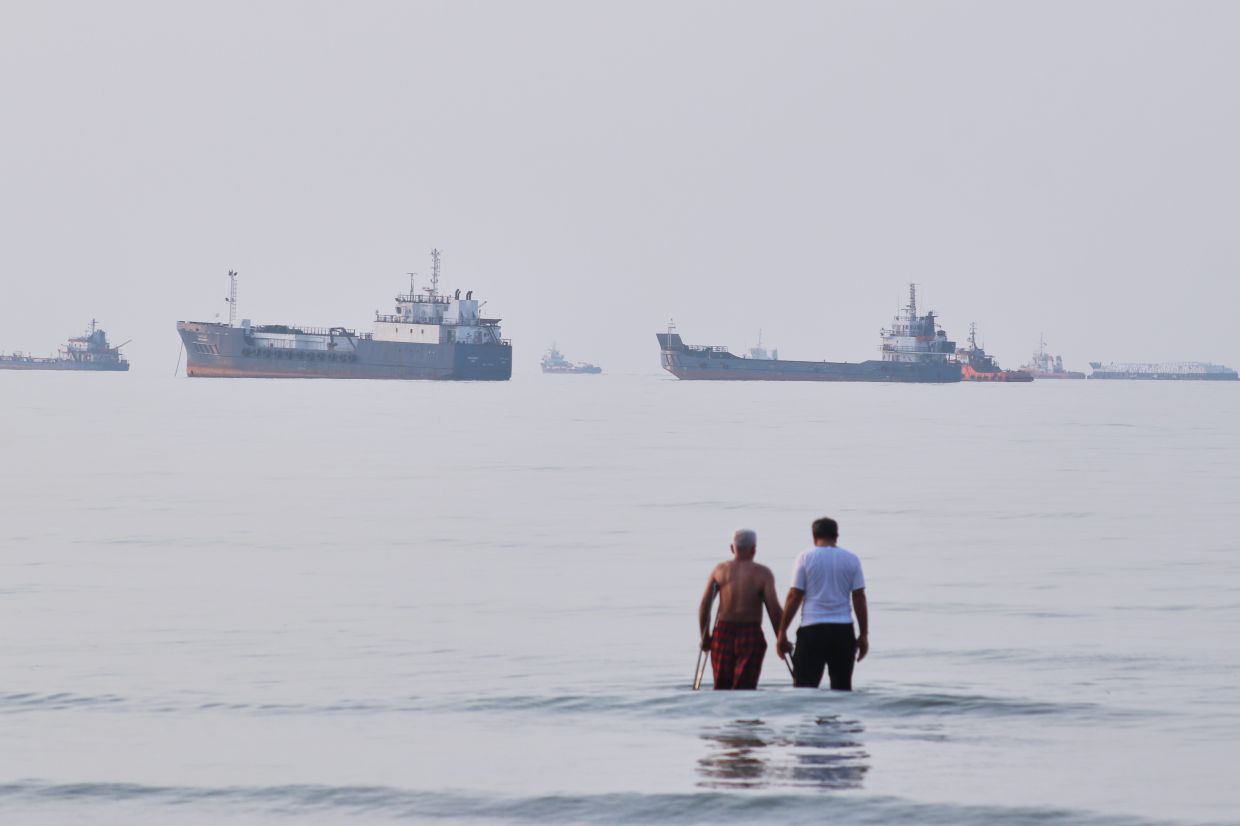
The Iranian position, as conveyed through the semi-official Fars news agency on Saturday, represents a fundamental shift in Tehran's negotiating stance. Rather than engage in what it views as preliminary discussions, Iran is now insisting on concrete American concessions before returning to the negotiating table. This hardening of positions comes at a moment when the region faces mounting instability, with repeated cycles of military action and retaliation threatening to spiral into broader conflict. For Malaysian and Southeast Asian observers, the stakes are particularly high: any prolonged disruption to the Strait of Hormuz—through which roughly one-third of globally traded oil passes—directly threatens energy security across the region and could trigger sharp spikes in fuel and shipping costs that would ripple through the broader economy.
The United States has responded to Iranian intransigence by escalating its own demands. Senior Trump administration officials, speaking anonymously to reporters, have insisted that Tehran must make a public declaration guaranteeing that all channels through the Strait of Hormuz remain open to international shipping. Additionally, Washington is pressing Iran to pledge that it will not target civilian vessels navigating these critical waterways. The ultimatum carries an implicit threat: failure to comply will result in unspecified consequences. This American pressure sits uneasily alongside Trump's stated willingness to negotiate, creating an atmosphere of brinkmanship in which both sides appear locked in a struggle to demonstrate resolve while appearing open to dialogue.
Recent military escalations have dramatically raised the stakes for both parties. Following a series of US airstrikes against Iranian targets, Tehran responded with strikes of its own against American military installations across the region. These tit-for-tat attacks have already driven crude oil prices significantly higher, a warning signal of what could happen if the cycle of retaliation continues unchecked. Trump declared on Friday that he considers a ceasefire agreed between the two countries in mid-June to be defunct, effectively dismantling the framework that had provided some measure of restraint in the preceding months. That declaration proved pivotal, signalling that the US was prepared to abandon the previous understanding and pursue a more aggressive approach.
Compounding these tensions is an American Treasury Department decision to revoke a waiver that had permitted Iran to conduct global oil sales. This move strikes directly at Iran's economic lifeline and represents perhaps the most consequential pressure tool Washington possesses. For Iran's leadership, this action underscores that even negotiations could prove futile if the US intends to maintain or intensify economic strangulation. The combination of military threats, diplomatic demands, and economic sanctions creates a tripartite pressure campaign designed to force Iranian capitulation—yet simultaneously, it removes Tehran's incentive to engage in good-faith negotiation, since the Americans appear committed to coercion regardless of diplomatic progress.
The United States has accused Iran of orchestrating attacks against commercial shipping transiting the Strait of Hormuz, characterizing these actions as threats to global maritime commerce. Iran has responded that these incidents represent justified retaliation for American military aggression. This competing narrative reflects the fundamental chasm separating the two sides: neither acknowledges the legitimacy of the other's grievances, making compromise exceedingly difficult. For countries throughout Southeast Asia that depend on Hormuz transit for energy imports, this dispute is not an abstract geopolitical dispute but a direct threat to economic stability.
Despite the pessimistic public posturing, Trump administration officials have indicated that expert-level technical discussions with Iranian counterparts are expected to continue. This suggests that beneath the rhetoric of threats and ultimatums, some channels of communication remain open. Iranian Foreign Minister Abbas Araghchi travelled to Oman on Saturday for diplomatic consultations focused on the future governance and security arrangements affecting the Strait of Hormuz. Such backchannel diplomacy may provide opportunities for de-escalation, though progress appears unlikely unless both sides demonstrate willingness to make genuine concessions rather than simply restating entrenched positions.
The broader context of this standoff involves internal Iranian politics and questions about leadership stability. Iran is observing a three-day memorial ceremony for Ayatollah Ali Khamenei, the Supreme Leader who was killed in an attack at the end of February that coincided with the US and Israel beginning military operations. His designated successor, his son Mojtaba Khamenei, has called for revenge for his father's death while conspicuously avoiding public appearances or video statements since his appointment. This absence has fuelled international speculation about the severity of injuries Mojtaba sustained in the same attack that killed his father, and whether his capacity to lead negotiations or make strategic decisions has been compromised. Iranian officials have acknowledged that Mojtaba was wounded but maintain he remains actively engaged in decision-making throughout the conflict.
This leadership question introduces an additional layer of unpredictability into negotiations. If Mojtaba Khamenei is significantly impaired or if questions about his authority persist, it becomes unclear who precisely holds decision-making power within Iran's leadership structure. This ambiguity could either facilitate pragmatic compromises—as competing factions seek to demonstrate strength through negotiated settlements—or entrench maximalist positions as various leaders vie to appear resolute against American pressure. For outside observers attempting to discern Iranian intentions or negotiate outcomes, this internal uncertainty compounds the challenge of reaching sustainable agreements.
The trajectory of current events suggests that both the United States and Iran are caught in an escalatory spiral that each believes serves its strategic interests. Trump appears convinced that maximum pressure—military threats, economic sanctions, and public humiliation—will force Iran into submission. Iran, conversely, appears determined to resist what it perceives as American hegemonic overreach while protecting its core interests in regional autonomy and economic viability. Until one side demonstrates genuine willingness to move beyond positional bargaining toward creative problem-solving, the cycle of threat and counter-threat seems likely to continue, with Malaysia and other regional economies bearing increasing costs through energy market disruption and heightened geopolitical uncertainty.

