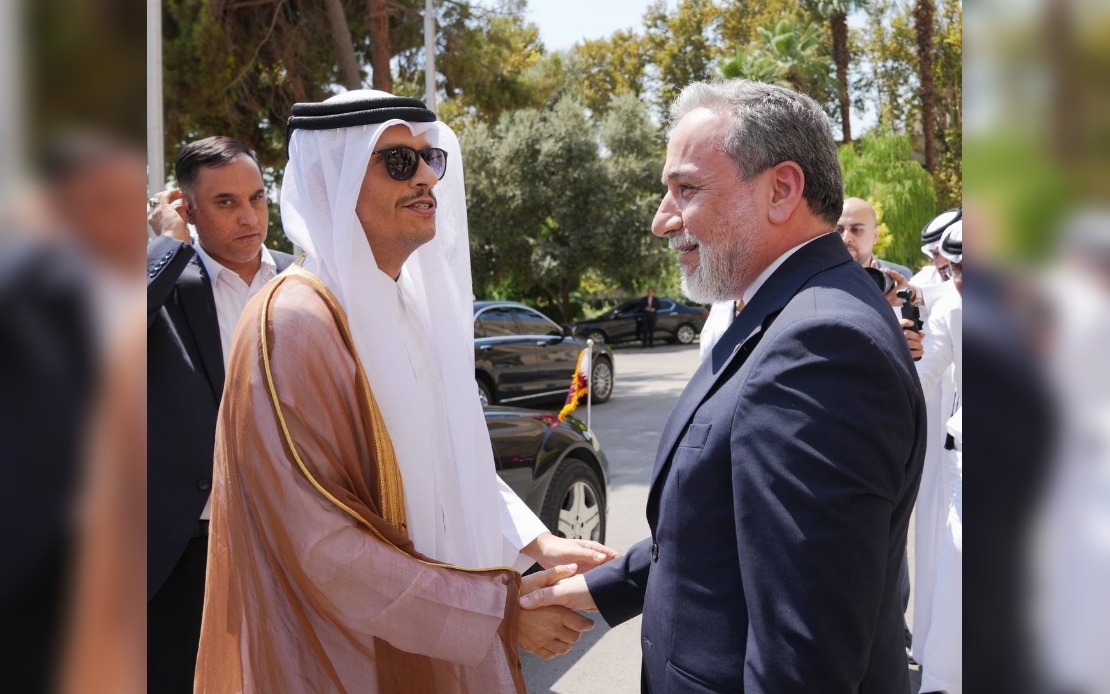
Iran's top diplomat has cautiously suggested that mending fractured relations with the United States is within reach, though success depends fundamentally on Washington changing its negotiating posture. Foreign Minister Abbas Araghchi made the remarks following high-level talks in Tehran with Qatar's foreign and prime ministers, signalling that despite years of tension, dialogue channels remain open. The statement represents a nuanced Iranian position that stops short of rejection whilst setting clear preconditions for any meaningful engagement, reflecting both Tehran's desire to explore diplomatic solutions and its resolve not to capitulate under external pressure.
Araghchi's comments, shared on social media platform X, emphasised that restoring diplomatic momentum between Washington and Tehran hinges on a fundamental shift in American strategy. His assertion that "pressure doesn't work" directly challenges the cornerstone of US policy towards Iran, which has historically relied on economic sanctions and military posturing to compel behavioural change. By framing the issue in these terms, the Iranian foreign minister articulated a position that resonates across Tehran's political establishment: that coercion has proven counterproductive and that any breakthrough requires mutual respect rather than continued confrontation. This messaging suggests Iran's leadership believes the moment may be opportune for exploring diplomatic alternatives.
The substance of Araghchi's demands—that the United States build trust, communicate respectfully, acknowledge Iranian rights, and honour previous commitments—points to deep grievances rooted in decades of bilateral antagonism. These conditions reflect Tehran's persistent complaints about the 2018 withdrawal from the Joint Comprehensive Plan of Action, the nuclear accord that Iran views as a binding international commitment that Washington abandoned unilaterally. The Iranian foreign minister's emphasis on "upholding commitments" appears directly aimed at addressing this historical wound, suggesting that any future agreement would need to include robust mechanisms preventing similar US policy reversals.
Qatar's intensified diplomatic engagement underscores the small Gulf state's evolving role as a regional mediator in an increasingly fractured Middle East. The visit by Qatar's Foreign Minister Sheikh Mohammed bin Abdulrahman bin Jassim Al Thani to Tehran represented the first such high-level Qatari mission since the escalation of US-Israeli military operations against Iranian targets in late February. That Doha has maintained sufficient diplomatic standing to conduct shuttle diplomacy between Tehran and Washington reflects its careful balancing act among regional powers, as well as the international community's recognition that addressing regional tensions requires sustained dialogue efforts.
During his Tehran visit, Sheikh Mohammed engaged with Iran's senior leadership across multiple institutions, meeting not only President Masoud Pezeshkian and Foreign Minister Araghchi but also Parliament Speaker Mohammad Bagher Qalibaf and the Secretary of Iran's Supreme National Security Council Mohsen Rezaei. This breadth of engagement suggests Qatar sought to understand and influence thinking across Iran's fractious political establishment, which spans pragmatists favouring negotiation and hardliners sceptical of American intentions. The comprehensiveness of the diplomatic round indicated that any potential agreement would require consensus building across these competing power centres.
The substantive agenda discussed during the Qatari mission points to specific areas where de-escalation might occur. Negotiations reportedly focused on creating preconditions for resumed dialogue, including a proposed temporary joint navigational corridor through the Strait of Hormuz and coordinated mine-clearing operations in the waterway. These proposals address practical security concerns whilst demonstrating the possibility of functional cooperation even amid broader political tensions. The Strait of Hormuz remains one of the world's most critical maritime chokepoints, and joint management mechanisms could benefit global commerce while reducing the risk of accidental military escalation.
The timing of these diplomatic overtures carries significance within the broader context of regional instability. The February military strikes that prompted Doha's diplomatic pause represent just one episode in an escalating cycle of tit-for-tat military actions that has periodically threatened to transform Iranian-American tensions into open conflict. By resuming high-level contact, Qatar signals that third-party actors believe the current trajectory is unsustainable and that controlled negotiations offer a preferable alternative to continued military posturing. This diplomatic momentum, however fragile, suggests that at least some regional and international actors assess that conditions may favour de-escalation.
For Southeast Asian observers and policymakers, these developments carry indirect but meaningful implications. Regional economies depend heavily on stable energy supplies and secure shipping lanes through the Persian Gulf and surrounding waters. Any major escalation between Iran and the United States could disrupt global oil markets and maritime commerce, with cascading effects on economic growth across Asia. Moreover, the broader principle that international disputes can be addressed through sustained diplomacy rather than military solutions carries universal relevance in a region itself navigating various territorial and political disagreements requiring peaceful resolution.
Iran's diplomatic positioning also reflects internal calculations about the costs of perpetual confrontation with Washington. Years of comprehensive sanctions have constrained Iran's economy, limiting its capacity to invest in domestic development and regional influence. While Iranian leaders remain committed to resistance against what they perceive as US hegemony, the possibility of relieving sanctions through negotiated settlement holds genuine appeal for pragmatic factions within Tehran. Araghchi's carefully calibrated language—neither rejecting dialogue nor capitulating on core demands—reflects this internal balance between hardline nationalists and those advocating managed engagement with the international system.
The success of any future negotiations would require both sides to move beyond entrenched positions. The United States would need to demonstrate genuine respect for Iranian sovereignty and accept some Iranian regional presence without viewing every Iranian action through a purely confrontational lens. Simultaneously, Iran would need to address Western concerns about its nuclear programme and regional military activities in ways that provide meaningful assurance. Qatar's mediation suggests that interlocutors believe sufficient common ground exists to bridge these gaps, though the considerable distance between current positions should not be underestimated.
Looking forward, the trajectory of these diplomatic efforts will depend on political developments in both capitals. Within Iran, Araghchi appears to enjoy sufficient backing from President Pezeshkian and other key decision-makers to continue exploring engagement possibilities. In Washington, the political appetite for reconsideration of Iran policy remains contested, with significant constituencies opposing rapprochement. Nevertheless, the very fact that serious diplomatic conversations are occurring suggests that despite profound mutual suspicion, neither side has entirely closed the door to negotiated solutions. For now, Qatar's patient mediation and Iran's measured openness represent the best available indicators that diplomacy, however precarious, retains a foothold in what has been a deeply adversarial relationship.

