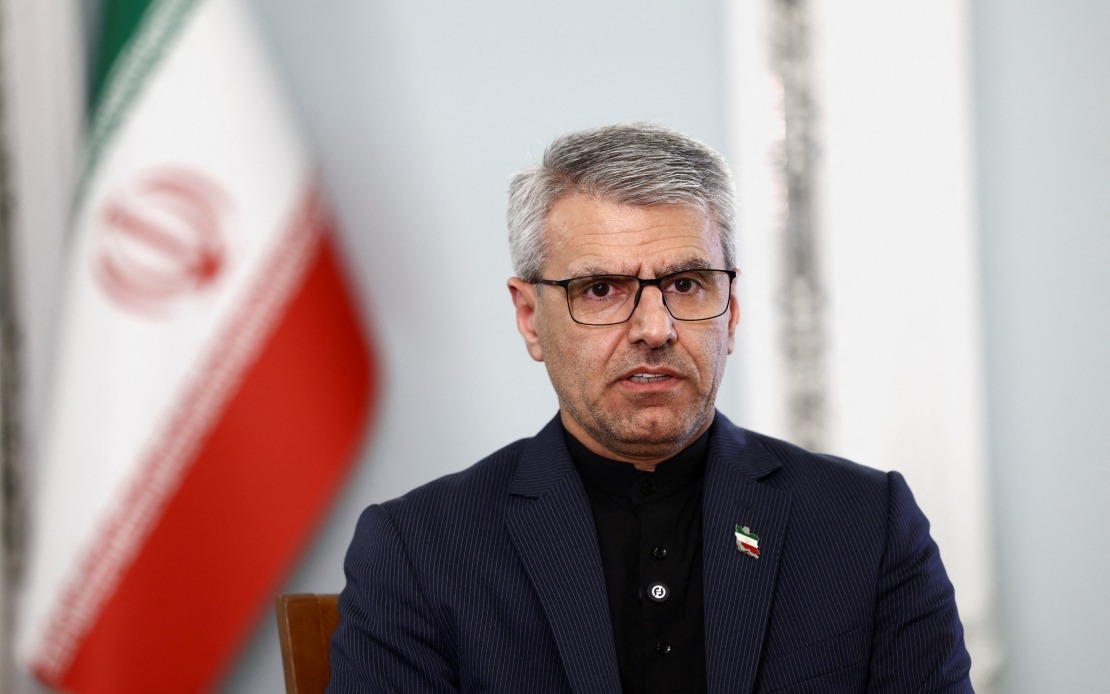
Iran's Foreign Ministry signalled meaningful headway in its efforts to reach a comprehensive nuclear accord with the United States, following intensive multilateral discussions held in Burgenstock, Switzerland on Monday. Speaking to journalists after the closed-door negotiations, spokesman Esmaeil Baghaei characterised the outcome as laying important groundwork for formal negotiations aimed at concluding a final agreement between Tehran and Washington. The comments mark the latest development in a prolonged diplomatic process that has repeatedly stalled and restarted over Iran's nuclear programme and international sanctions.
Baghaei's remarks emphasised that both sides demonstrated commitment to advancing the negotiations, though he pointedly noted Iran would be watching closely for sustained good faith from the American delegation. The cautious optimism reflected Tehran's historical wariness of commitments that fail to materialise into concrete action. The four-party format—bringing together Iran, the United States, and mediators—indicates the continued difficulty of direct bilateral engagement between the two nations, making intermediaries essential to maintaining communication channels and building confidence.
Among the principal outcomes documented by Iranian officials was establishment of a novel monitoring structure termed a "deconfliction cell," staffed by mediators to track adherence to ceasefire arrangements and prevent escalation of hostilities. The mechanism carries particular significance for Lebanon, where regional proxy forces have created volatile flash points that threaten broader destabilisation. By creating institutional oversight of military activity, negotiators sought to reduce the risk of accidental escalation that could derail diplomatic progress or trigger unintended conflict.
The discussions also yielded movement on financial dimensions that have long complicated negotiations. Both sides exchanged substantive proposals regarding licensing arrangements that would permit Iranian crude oil exports and unlock frozen or restricted Iranian assets held abroad. These twin issues represent crucial incentives for Iran's participation in any final agreement, as sanctions relief and access to international markets form the foundation of Tehran's demands in return for nuclear constraints. Progress on these fronts, even at preliminary stages, suggests negotiators have begun wrestling with the intricate mechanics of implementing any final accord.
Maritime security through the Strait of Hormuz emerged as another discrete agenda item, with parties agreeing to devise safeguards protecting shipping in this strategically vital waterway. The Strait's importance to regional and global commerce—through which roughly one-third of seaborne traded oil passes annually—means its security directly affects energy markets worldwide, including those supplying Southeast Asian refineries and import-dependent economies. Establishing agreed procedures for maritime conduct could prevent miscalculation in an area where Iranian naval forces and Western warships have previously conducted high-risk manoeuvres.
Baghaei indicated that technical teams representing all parties would reconvene to labour through implementation details on the mechanisms discussed. This division of labour between political negotiators establishing frameworks and technical experts solving operational puzzles is standard in complex multilateral agreements. The phased approach allows political leaders to announce progress while acknowledging substantial work remains before any final text could be signed.
Mediator nations Qatar and Pakistan jointly announced substantial progress through parallel diplomatic channels, releasing a statement detailing agreement on a roadmap directing the parties toward a final peace settlement within sixty days. This timeline compression, compared to the open-ended negotiations that have characterised previous phases, suggests international intermediaries are attempting to inject momentum and prevent indefinite stalling. The sixty-day horizon provides a concrete deadline that could either catalyse final compromises or, if missed, signal the talks have again reached impasse.
The Swiss location itself carries diplomatic significance. Switzerland's traditional neutrality and reputation as a host for sensitive negotiations made Burgenstock an appropriate venue for discussions between nations lacking direct diplomatic relations. The Lake Lucerne Summit format involving senior officials from multiple countries underscores the international dimension of what remains fundamentally a bilateral dispute, with numerous states holding interests in the outcome.
For Malaysian readers and Southeast Asian observers, the stakes of Iran nuclear diplomacy extend beyond Middle Eastern geopolitics. Any final agreement affecting Iran's economic sanctions would reshape global energy supplies and pricing, directly impacting fuel costs and refinery operations throughout the region. Malaysia's diversified energy imports and significant petroleum refining capacity mean fluctuations in Iranian oil availability ripple through regional markets. Additionally, any accord affecting Iranian military capabilities or regional influence would influence the balance of power affecting shipping lanes and maritime security that Malaysian trade depends upon.
The reference to a broader memorandum signed the previous week to end what Iranian officials characterise as a US-Israeli war launched February 28 suggests these nuclear negotiations occur within a wider framework addressing multiple sources of regional tension. Understanding Iran's nuclear programme in isolation from its regional military activities and Israel-related conflicts provides incomplete picture of why these discussions matter to international stability and Southeast Asian interests.
While Baghaei's statements avoided claiming breakthrough or predicting imminent final agreement, the specificity regarding deconfliction cells, maritime mechanisms, and financial arrangements indicates negotiators have moved beyond rhetorical positioning toward serious structural design. Whether such mechanisms can survive political pressures and implementation challenges in coming weeks remains uncertain, but the reported progress represents a significant step from the deadlock that characterised earlier phases of these protracted negotiations.