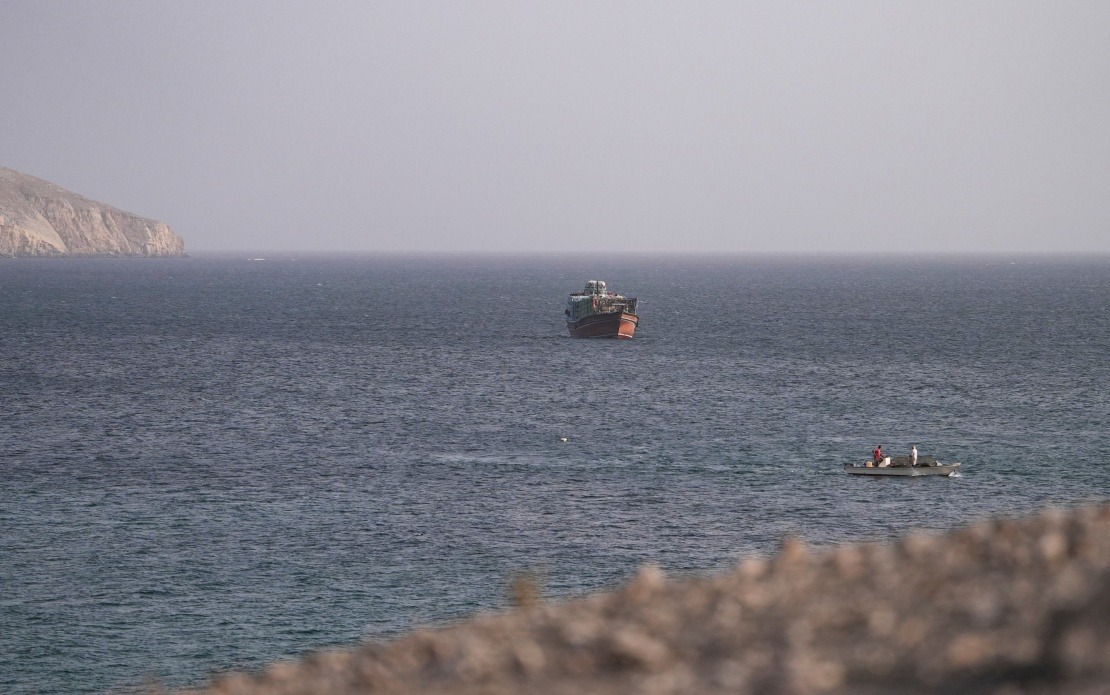
Iran and Oman are on the verge of concluding a landmark agreement that would reshape shipping arrangements through one of the world's most strategically important waterways. Iranian Deputy Foreign Minister Kazem Gharibabadi announced on Wednesday that the two nations have moved their understanding to its final negotiating stage, marking a significant development in regional maritime commerce and geopolitical positioning.
The proposed arrangement between Tehran and Muscat represents a departure from decades of established practice in the Strait of Hormuz. Rather than constituting a complete reopening of the chokepoint through which roughly one-third of global seaborne oil passes, Gharibabadi characterised the accord as introducing a novel framework distinguishing itself fundamentally from the status quo that has prevailed for the past six decades. Under the new structure, a substantial portion of commercial vessel traffic would transit directly through Iranian territorial waters, creating a revised corridor for international maritime commerce.
The implications of this agreement extend beyond mere logistical rearrangement. By establishing new routing protocols through its own waters, Iran effectively asserts greater control and visibility over shipping movements while potentially positioning itself to generate revenue from enhanced maritime management. The agreement thus serves dual purposes: enabling commercial vessels to navigate the critical waterway while simultaneously enhancing Iran's operational role in managing traffic through this economically vital channel.
Gharibabadi left open the question of whether Iran would levy transit fees on vessels using these new arrangements, stating such decisions ultimately rest with the country's highest decision-making authorities and would depend substantially on how Washington conducts itself going forward. This conditionality signals Tehran's intention to calibrate its approach based on broader diplomatic developments, particularly concerning potential negotiations with the United States. The linking of maritime policy to geopolitical posturing illustrates how regional waterway management remains inextricably bound to larger strategic calculations.
The timing of this announcement coincides with reported signals from Washington regarding its preparedness to "return to its commitments," according to Gharibabadi's characterisation. Although he declined to elaborate on which specific obligations the United States would be fulfilling or the precise channels through which these communications were conveyed, his comments suggest ongoing quiet diplomacy beneath the surface of public statements. For Malaysian and regional observers, such signals carry weight given the dependence of Southeast Asian economies on unimpeded passage through the Strait of Hormuz for critical energy supplies and manufacturing inputs.
The Oman connection merits particular attention in understanding regional dynamics. As a nation maintaining relatively balanced relations across the Persian Gulf's fractious landscape, Oman's role as intermediary reflects its traditional diplomatic posture. The sultanate's willingness to broker arrangements between Tehran and international commercial interests demonstrates how smaller Gulf states continue exercising disproportionate influence through careful positioning and mediation rather than military capability. For Southeast Asia, Oman's example illustrates the continuing relevance of neutral intermediaries in a region prone to binary alignments.
The agreement's significance for Malaysian shipping and trade cannot be overstated. Malaysia, as a major trading nation heavily reliant on energy imports and with substantial shipping interests, faces direct consequences from any restructuring of Strait of Hormuz passage. Any arrangement that clarifies shipping protocols, reduces uncertainty, or institutionalises commercial transit procedures potentially stabilises the cost and reliability of maritime movement through this critical corridor. Conversely, should the arrangement become entangled in escalating Iran-US tensions, Malaysian commerce could face disruption.
The reference to a prospective deal with Washington that might materialise within days suggests negotiations are advancing on multiple fronts simultaneously. Gharibabadi's cautious optimism about American willingness to honour commitments, coupled with the Iran-Oman agreement reaching its final phase, points toward a choreographed sequence of developments. These moves appear designed to demonstrate momentum and mutual engagement while preserving negotiating leverage on both sides. For regional players including Malaysia, such diplomatic rhythm typically precedes either substantive breakthroughs or renewed tensions.
The economic ramifications extend beyond shipping costs alone. New arrangements in the Strait of Hormuz could influence oil pricing and supply reliability, factors directly affecting Malaysia's import costs and refining operations. The country's substantial petrochemical sector depends on stable, affordable energy access. Should the Iran-Oman agreement, combined with potential US-Iran diplomatic engagement, result in reduced tensions and enhanced predictability around the Strait's usage, Malaysian industries would benefit from improved planning certainty and potentially lower energy input costs.
Yet uncertainties persist regarding implementation details. The agreement's scope, enforcement mechanisms, dispute resolution procedures, and interoperability with international maritime law remain unspecified in public announcements. Malaysian shipping companies and maritime authorities require clarity on these operational parameters before adjusting their routing decisions or risk assessments. How the arrangement interfaces with existing international conventions governing passage through straits used for international navigation will substantially influence its practical impact on regional commerce.
The broader context of Iranian foreign policy suggests this agreement reflects Tehran's strategic pivot toward reinforcing relationships within its immediate region while maintaining communication channels toward potential reconciliation with distant powers. By simultaneously concluding an arrangement with neighbouring Oman while signalling openness to American engagement, Iran appears to be pursuing a diversified diplomatic approach rather than betting entirely on any single outcome. Such tactical flexibility, if sustained, could create conditions more favourable to regional stability than scenarios dominated by unilateral posturing.
For Southeast Asian nations monitoring these developments, the key consideration centres on whether these agreements genuinely reduce maritime risks or simply represent tactical repositioning ahead of further volatility. The sustainability of the Iran-Oman arrangement and its resilience against future disruptions remain uncertain, particularly if broader US-Iran negotiations falter or if regional tensions surge around other flashpoints. Malaysian policymakers and businesses would be prudent to view recent developments with measured optimism while maintaining contingency planning for alternative scenarios involving greater Strait instability.

