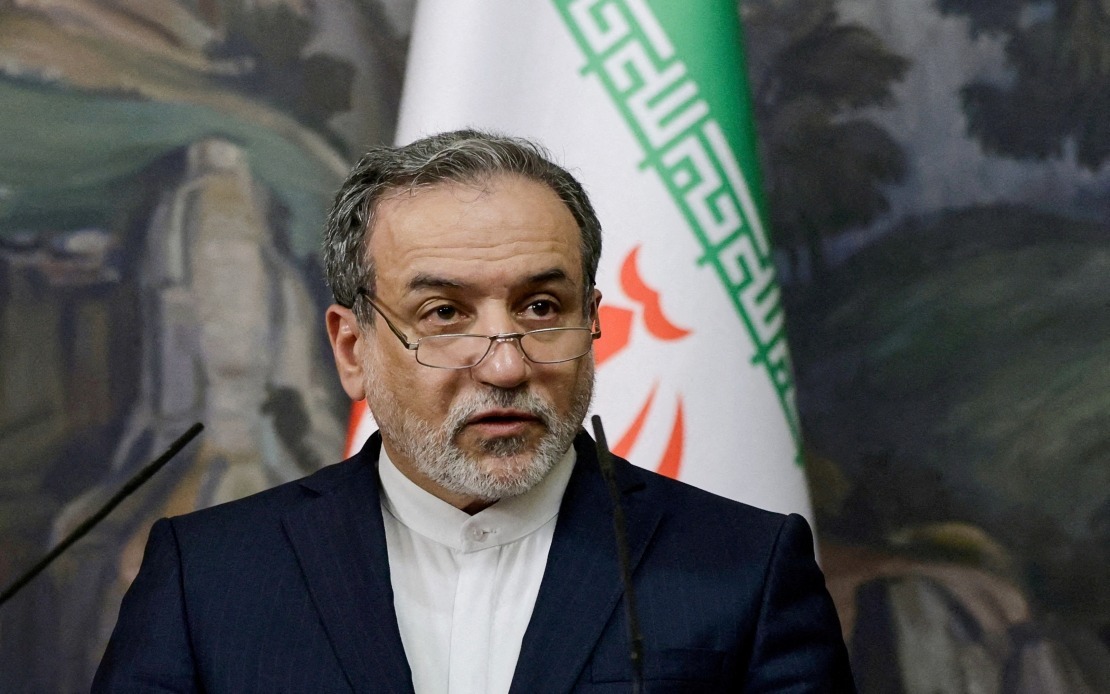
Iran has made clear it has not yet committed to resuming formal negotiations with the United States, according to Foreign Minister Abbas Araghchi, speaking in Istanbul this week. The clarification comes as multiple mediators maintain contact with Tehran, a situation that observers might easily mistake for a genuine diplomatic opening. Araghchi emphasised that these behind-the-scenes communications, while continuing, represent only routine diplomatic channel maintenance and should not be conflated with a substantive return to the negotiating table.
The Iranian position reflects a fundamental dispute over the status of previous agreements between the two nations. Araghchi challenged international reporting that suggested the so-called Islamabad memorandum—a peace framework agreed in June with US involvement and brokered by Pakistan—contained a 60-day ceasefire period requiring extension. According to Tehran's interpretation, the agreement stipulated an end to warfare altogether rather than a temporary cessation of hostilities. This semantic distinction carries significant strategic weight, as it frames any resumption of fighting as a violation of permanent terms rather than merely the expiration of a time-limited arrangement.
The Iranian foreign minister contested the claim that the United States had adhered to the Islamabad memorandum. He stated plainly that American actions violated the accord, leading to the recommencement of military operations. From Iran's perspective, there was therefore no 60-day ceasefire with an expiration date that needed renewal; instead, the nation views the resumption of conflict as a breach of what was meant to be an enduring commitment. This characterisation shifts responsibility for the deterioration squarely onto Washington's shoulders, a messaging priority for Tehran as it navigates international opinion.
In explaining the original 60-day window referenced in the memorandum, Araghchi clarified that this period was intended to serve as a negotiation window during which parties would work toward a comprehensive final settlement. It was not, in his telling, a predetermined duration for a temporary halt in fighting. This distinction matters considerably for understanding Iran's negotiating posture, as it suggests Tehran views the framework as an incomplete agreement requiring substantial further work rather than as a framework now expired and ripe for renegotiation on fresh terms.
Current mediation efforts continue through two channels. Both Qatar and Pakistan maintain active contact with Iranian officials and remain engaged in message-passing between Tehran and Washington. However, Araghchi was emphatic that these diplomatic channels should not be misread as indication that substantive negotiations have resumed. The distinction between maintaining lines of communication and conducting actual talks is crucial to Iran's political messaging, particularly domestically where hardliners scrutinise any apparent softening toward the United States. By insisting these are merely procedural exchanges, Araghchi shields the government from accusations of compromising principle.
Parallel to any potential US engagement, Iran continues separate technical negotiations with Oman that focus entirely on maritime matters. These talks concentrate on developing new shipping lanes through the Strait of Hormuz, as previous commercial routes have become unusable under current regional conditions. The negotiations involve technical experts from both nations as well as representatives of Iran's armed forces, underscoring the security dimensions of what might appear to be purely commercial discussion. Araghchi indicated these discussions were progressing toward what could be relatively swift conclusion.
The shipping lane negotiations represent a practical accommodation to regional realities rather than a concession on strategic principle. Iran is designing an initially temporary route that could eventually become permanent infrastructure. This approach allows Tehran to demonstrate pragmatism in managing international commerce while maintaining that any broader resolution regarding the Strait of Hormuz itself remains contingent on other parties fulfilling unspecified preconditions—primarily compliance obligations that Araghchi attributed to the United States.
Araghchi took care to separate technical maritime discussions from broader questions about the strait's status. Whether the waterway ultimately reopens to full international shipping depends, in Iran's view, on fulfilment of conditions that Washington must satisfy. This framing preserves Tehran's negotiating leverage by suggesting that shipping lane arrangements, while important, remain secondary to larger diplomatic arrangements that have yet to materialise. It also indicates that Iran views control over access through the Strait of Hormuz as a significant bargaining chip in any comprehensive settlement.
For Malaysian and Southeast Asian observers, Iran's position underscores the fragility of regional stability arrangements and the continued impasse between Tehran and Washington. The Strait of Hormuz carries vital importance for regional energy security and international commerce, making the status of shipping lanes a matter of consequence for trading nations throughout Asia. Iran's insistence on conditioning maritime access on broader political compliance demonstrates how security concerns remain embedded in what superficially appear to be technical arrangements.
The measured language from Iran's foreign ministry, while formally denying any imminent return to negotiations, leaves considerable room for gradual movement toward talks. The distinction between maintaining diplomatic channels and conducting formal negotiations allows both sides to continue contact without immediate political cost. This diplomatic ambiguity may itself represent a calculated step toward eventual negotiations, even as official Iranian rhetoric maintains that no such decision has been taken. For regional players watching developments, the pattern suggests a slow thaw rather than any dramatic breakthrough in the near term.

