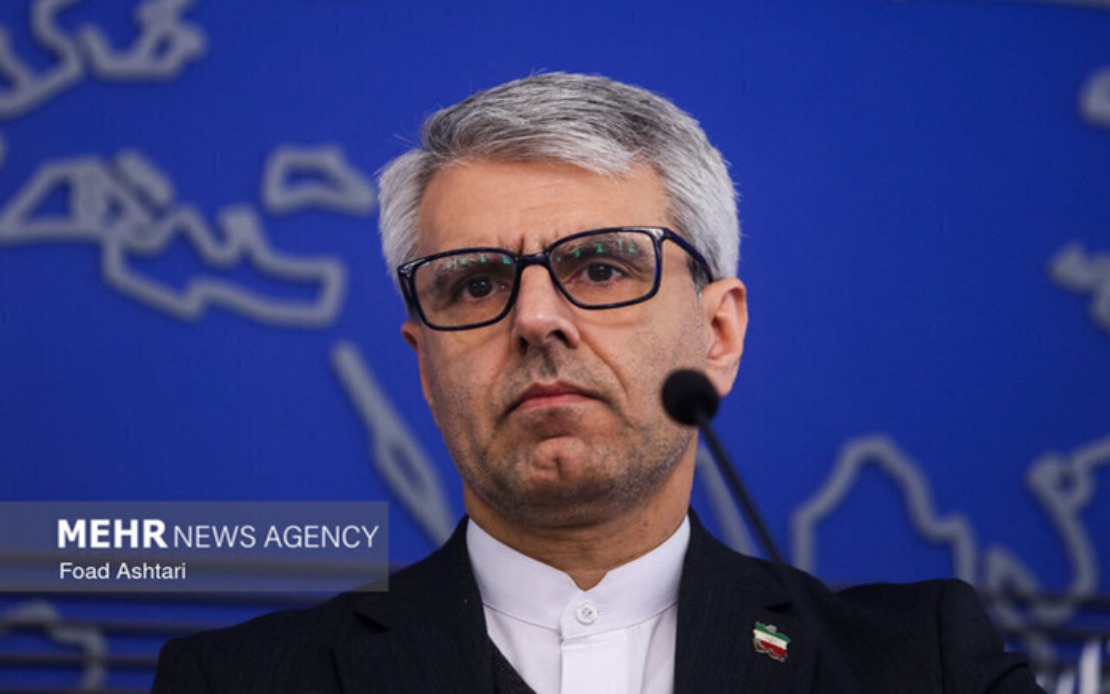
Iran and Oman have committed to maintaining substantive dialogue on the situation surrounding the Strait of Hormuz, one of the world's most strategically important maritime passages. The commitment emerged following talks between Iranian Foreign Minister Abbas Araghchi and Omani officials, with Iran's Foreign Ministry spokesman Esmaeil Baghaei confirming that both nations agreed to pursue consultations spanning political, legal, and technical dimensions. The emphasis on multilayered engagement signals an attempt to navigate a complex regional situation through diplomatic channels.
The Strait of Hormuz represents a chokepoint of immense global significance, with roughly one-fifth of worldwide petroleum trade transiting through its waters annually. Any disruption to shipping in this corridor sends immediate shockwaves through energy markets and supply chains worldwide, making the waterway central to international commerce and energy security. For Southeast Asia, including Malaysia, the stakes are particularly high given the region's heavy reliance on stable energy imports and the vulnerability of trading routes that depend on uninterrupted passage through the Persian Gulf.
Araghchi's visit to Oman on Saturday preceded the formal announcement, underscoring both nations' recognition that bilateral engagement offers a pragmatic path forward. Oman, positioned at the mouth of the Persian Gulf, occupies a uniquely important geographic and diplomatic position. Its traditional role as a neutral mediator in regional disputes makes it a natural venue for de-escalatory discussions. The choice of location reflects a deliberate strategy to frame negotiations as regional problem-solving rather than international confrontation.
The backdrop to these consultations remains the recent tensions between Iran and Western powers, particularly the United States. Iran's Islamic Revolutionary Guard Corps previously declared intentions to close the Strait of Hormuz until what it characterised as American interference in regional affairs ceased, a statement that triggered international concern about potential maritime disruptions. Such rhetoric, though sometimes viewed as negotiating posture, carries real implications for global energy markets and for trading nations throughout Asia that depend on unrestricted passage through the waterway.
Iranian officials have positioned these consultations as a mechanism for determining future management frameworks for the Strait of Hormuz through bilateral engagement with Oman, rather than through broader international arrangements. This approach suggests Iran seeks to establish regional ownership over navigation protocols, potentially excluding or minimising the role of external powers. The emphasis on decisions emerging from Iran-Oman consultations reflects Iranian preferences for regional solutions conducted without what it perceives as Western interference or imposed structures.
Qatar's participation in the dialogue process adds another diplomatic layer. As a nation with historically complex relationships across the region and established channels with both Iran and the United States, Qatar has positioned itself as a mediating intermediary in broader Iran-US engagement. Its involvement signals that these conversations extend beyond bilateral mechanics and incorporate broader regional diplomatic efforts aimed at reducing tensions between Washington and Tehran. For Southeast Asian nations concerned about regional stability, the presence of such mediating actors offers some reassurance that escalation pathways remain constrained by active diplomacy.
The agreement to continue consultations at the technical level holds particular significance, as such discussions can address practical matters including vessel safety, navigation protocols, and emergency response mechanisms. Technical-level engagement often provides space for substantive progress even when political rhetoric remains heated, allowing experts and bureaucrats to develop workable solutions divorced from high-level positioning. This compartmentalised approach has historically proven effective in preventing accidents and miscalculations in contested maritime zones.
For Malaysia and other Southeast Asian economies heavily dependent on energy imports and maritime trade, the outcome of these Iran-Oman consultations carries direct implications. Sustained dialogue that produces frameworks for safe passage represents the optimal scenario, preserving access to energy resources and maintaining predictable shipping lanes. Conversely, any escalation affecting Strait of Hormuz navigation would translate into higher energy costs, supply vulnerabilities, and broader economic disruption across the region. Malaysian policymakers monitor such developments closely given the nation's exposure to regional instability.
The invocation of recent months' military actions, particularly those involving the United States and Israel, indicates that negotiations occur within context of heightened tensions. Iranian officials view these military dimensions as central to understanding the current security environment and argue they must inform any management frameworks. This perspective shapes the conditions Iran considers necessary for de-escalation and the concessions or guarantees it may demand from other parties. Understanding these underlying grievances proves essential for assessing whether current consultations can produce durable agreements or represent merely temporary pauses.
The commitment to continued dialogue, while lacking dramatic breakthroughs, reflects the fundamental shared interest of Iran and Oman in maintaining navigable waters through the Strait. This interest transcends ideological differences or broader geopolitical alignments. By anchoring talks to specific technical and legal frameworks rather than demanding resolution of underlying disputes, both nations create space for incremental progress that addresses immediate concerns about maritime safety without requiring comprehensive political settlements.
Regional observers note that successful dialogue on the Strait of Hormuz could establish precedents for addressing other contentious maritime and security issues throughout the Gulf region. If Iran and Oman demonstrate that structured consultation mechanisms can produce practical agreements on navigation, such models might extend to other bilateral or multilateral challenges. For Southeast Asia watching from afar, evidence of regional actors managing crises through diplomatic persistence offers both immediate comfort regarding energy security and longer-term lessons about conflict prevention in contested maritime zones.

