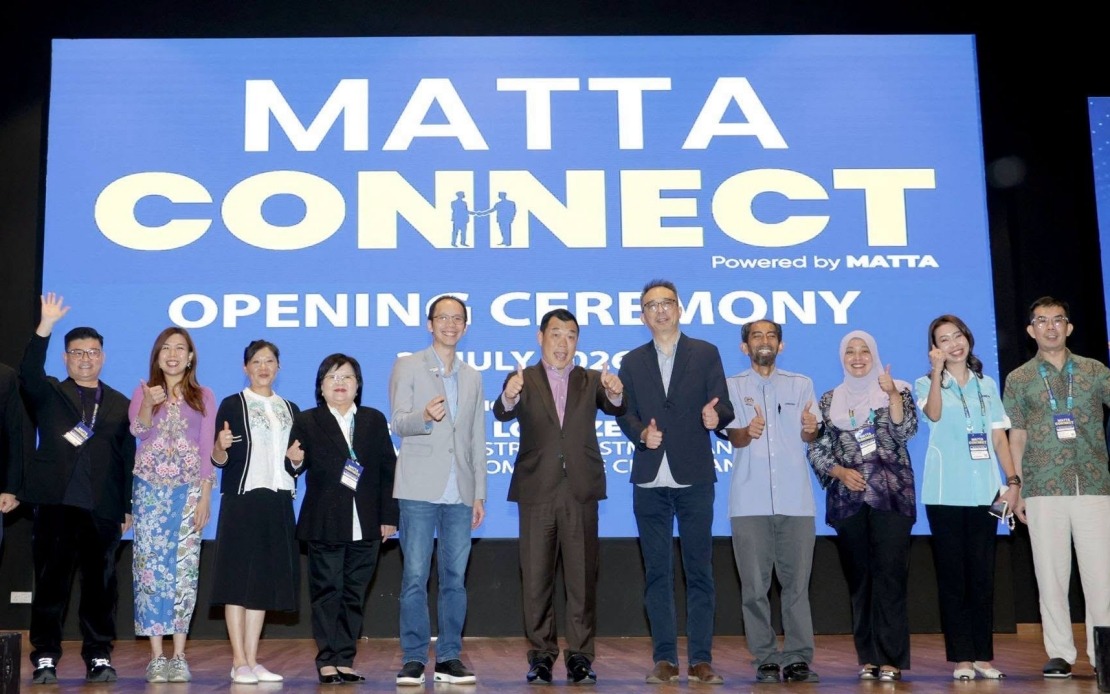
The selection of Ipoh to host MATTA Connect 2026 underscores an emerging recognition within Malaysia's tourism sector that significant international events can thrive outside traditional urban centres. Tourism, Arts and Culture Minister Datuk Seri Tiong King Sing's decision reflects a broader strategic pivot aimed at leveraging Perak's tourism potential and challenging the conventional thinking that major industry gatherings must be anchored in Kuala Lumpur or other long-established destinations. This shift carries substantial implications for how Malaysia positions itself in global tourism markets and how economic benefits from visitor spending are distributed across regions.
When international tourism professionals gather in a destination city, their participation extends far beyond formal conference halls and business matchmaking sessions. The minister's remarks, delivered by Deputy Minister Chiew Choon Man at the event's closing dinner, emphasise that hosting MATTA Connect in Ipoh created tangible economic activity—international delegates stayed in local hotels, dined at regional restaurants, and visited attractions within the broader Perak ecosystem. This direct exposure to a destination generates authentic market intelligence that no promotional video or brochure can replicate. Tour operators and international buyers who experience Perak firsthand develop genuine commercial confidence in the region's viability as a tourism product, making them more likely to invest in developing travel packages for their markets.
The Perak tourism proposition is diverse enough to justify hosting an event of this scale. Beyond Ipoh's well-known colonial architecture and food scene, the state encompasses Royal Belum, one of Asia's oldest rainforests, and Lenggong Valley, a UNESCO World Heritage Site of archaeological significance. These anchors, combined with the royal heritage sites around Kuala Kangsar and the beach offerings of Pangkor Island, create a genuine competitive advantage in the global tourism marketplace. The state's renowned culinary offerings, dramatic cave systems, and adventure tourism infrastructure provide multiple entry points for different market segments and travel styles. This diversity means that international tourism professionals can visualise packaging opportunities across leisure, cultural, and adventure tourism categories.
The broader policy context underpinning this event is the Visit Malaysia 2026 campaign, which aims to deliberately decentralise tourism growth rather than allowing it to concentrate in a handful of established hotspots. Historically, international tourist spending in Malaysia has clustered around Kuala Lumpur, Penang, Melaka, Langkawi, and Sabah. While these destinations continue generating substantial revenue, the emerging strategy recognises that under-leveraged regions possess untapped potential and that tourism development can address regional economic disparities. By hosting a major industry-facing event in Perak, the government signals commitment to this rebalancing approach and creates tangible momentum for the state's positioning within the VM2026 framework.
The economic multiplier effects of hosting MATTA Connect extend beyond the event itself. International tourism buyers and operators attending the conference become informal ambassadors for Perak upon returning to their home markets. Their positive experiences and market intelligence inform purchasing decisions, promotional priorities, and product development timelines. Some may commission new market research on Perak tourism opportunities; others may adjust their marketing budgets to test demand for Perak-focused packages. This ripple effect compounds over time as successful early adopters inspire competitors to develop their own Perak offerings, creating a virtuous cycle of increasing international awareness and market access.
From a regional Southeast Asian perspective, Malaysia's approach is notable because it contrasts with patterns in some neighbouring countries where tourism infrastructure and international event hosting remain heavily concentrated in capital regions. Thailand, for instance, has successfully distributed tourism events and infrastructure across multiple provinces, creating economic benefits in regions that might otherwise struggle with limited employment opportunities. Vietnam has similarly invested in decentralising tourism development. Malaysia's deliberate strategy to position Perak and potentially other emerging regions as viable hosts for international-standard events positions the country competitively within the region and demonstrates confidence in provincial tourism governance and infrastructure capabilities.
The ministry's commitment to strengthening Perak's tourism fundamentals—infrastructure improvements, product enhancement, and international promotion—is essential for translating the momentum from MATTA Connect into sustained visitor growth. Events generate short-term visibility and business connections, but long-term success depends on whether those connections translate into actual travel itineraries and sustained visitation. This requires reliable transportation networks connecting Ipoh to international gateway airports, quality accommodation across different price points, professional tourism services, and consistent destination marketing in key international source markets.
Industry platforms like MATTA Connect serve a specific function within the broader tourism ecosystem. Unlike consumer-facing tourism fairs that target individual travellers, these professional conferences unite buyers, sellers, and knowledge-holders within the industry. The trust-building and market insight-sharing that occurs at such gatherings shapes product development and marketing decisions months or years into the future. By hosting this event in Perak rather than Kuala Lumpur, the ministry created a compelling case study for the viability of regional event hosting while demonstrating tangible investment in the state's tourism sector.
For Malaysian destinations still building international market recognition, the pathway demonstrated by Perak's selection offers strategic guidance. Rather than competing primarily on developed infrastructure or historical brand familiarity, emerging destinations can leverage authentic experiences, culinary traditions, natural heritage, and community engagement—precisely the elements that contemporary global travellers increasingly value. International tourism professionals are actively seeking alternatives to overcrowded heritage sites and resort-dependent destinations, creating receptiveness to new market offerings from genuinely distinctive regions. Perak's positioning capitalises on this market trend while providing economic opportunities for communities that benefit from tourism diversification.
The decision to hold MATTA Connect 2026 in Ipoh ultimately represents an inflection point in how Malaysia conceives its tourism geography and economic development strategy. It signals that world-class international tourism events need not cluster in traditional urban centres, that emerging destinations possess genuine competitive advantages, and that decentralising tourism growth is both feasible and strategically valuable. As Malaysia progresses toward Visit Malaysia 2026 targets, the success or challenges encountered during and after MATTA Connect in Ipoh will provide important data points for future decisions about regional tourism development and event hosting. The event's ultimate measure of success will emerge not just from professional engagement during the conference itself, but from the subsequent translation of business connections into actual tourism flows reaching Perak communities.

