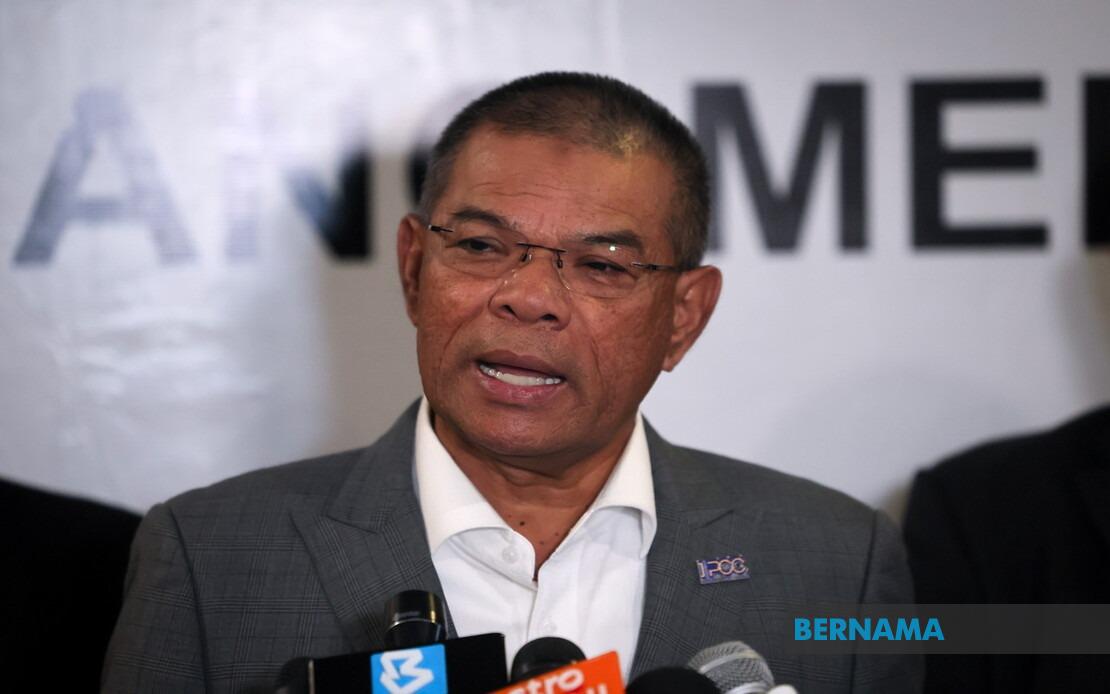
The Independent Police Conduct Commission has emerged as a growing conduit for public grievances against police misconduct, having logged 1,635 complaints since commencing operations in 2023 through July 24, 2026. Speaking at a press conference in Putrajaya on July 27, Home Minister Datuk Seri Saifuddin Nasution Ismail indicated that nearly three-quarters of these cases—specifically 844 complaints representing 76 percent—have now reached resolution. The accumulation of public complaints, he suggested, demonstrates expanding trust among Malaysians in the commission's independence and accessibility as a civilian oversight mechanism for addressing police wrongdoing.
Yet behind these headline figures lies a more complex picture of institutional strain. The Home Minister acknowledged that a significant proportion of unresolved complaints stems from citizens expressing dissatisfaction with the manner in which police investigations concluded or, more troublingly, reporting an absence of any substantive communication following their initial complaint submission. This gap in feedback mechanisms appears to represent a critical operational bottleneck for the IPCC, one that potentially undermines public confidence even when formal investigations may be progressing. Saifuddin Nasution framed the feedback deficiency as the most frequently cited grievance among complainants, suggesting systemic challenges in communication protocols between the oversight body, police investigators, and the public.
The institutional architecture governing how the IPCC functions reveals important constraints on its mandate. Rather than serving as a comprehensive investigative authority for all complaints, the commission operates as a triage and referral mechanism. Complaints containing evidence of corrupt conduct are systematically redirected to the Malaysian Anti-Corruption Commission, effectively narrowing the IPCC's direct investigative remit to matters falling outside the corruption domain. This division of responsibility, while potentially efficient in theory, creates fragmentation that may explain both the relatively modest number of cases opened—22 investigation papers total, with only five filed during the current year—and the proportion of complaints that remain in various states of limbo within the complaint pipeline.
Of the 22 investigation papers formally opened, the IPCC has completed 11 cases while maintaining active investigation status on the remaining 11. This relatively small ratio of opened investigations compared to total complaints received signals that the vast majority of public grievances either fall outside the IPCC's investigative scope, lack sufficient substantiation to warrant formal papers, or remain categorized as matters requiring police internal action. The annual intake presents another consideration: receiving 372 complaints in the first seven months of 2026 suggests the complaint volume remains steady, indicating sustained public engagement with the oversight mechanism even as questions persist about resolution timelines and communication effectiveness.
The Home Minister's characterization of the complaint numbers as "relatively modest" warrants scrutiny in the Malaysian context. Three years into the IPCC's existence, the organization has yet to establish complaint volumes that would typically alarm police leadership or demand wholesale institutional reform. However, this modesty may equally reflect limited public awareness of the commission's existence and complaint procedures rather than genuine satisfaction with police conduct. International experience with civilian oversight bodies suggests that complaint volumes typically surge following active public awareness campaigns, media coverage of successful interventions, and demonstrated institutional independence. Malaysia's figures may therefore represent not a ceiling but a floor, with significant potential for volume increases as familiarity grows.
Government efforts to enhance visibility underscore recognition of this awareness gap. The Home Ministry arranged a ceremonial handover of IPCC complaint posters designated for display at police information centers throughout Malaysia, framing this distribution as evidence of commitment to integrity and accountability. By positioning the posters within police facilities themselves, authorities appear to tacitly acknowledge that many citizens entering police premises remain unaware that independent complaint channels exist. This placement strategy—embedding IPCC information within police infrastructure—carries symbolic weight, suggesting institutional confidence in the oversight body's independence even as it operates within structural proximity to the force it monitors.
Parallel to the IPCC's operations, recent high-profile cases have underscored persistent misconduct within police ranks. The arrest of 12 police personnel suspected of extorting RM2 million from a Vanuatu national, confirmed by Dang Wangi police chief ACP Sazalee Adam, exemplifies the scale of potential corruption that the oversight apparatus confronts. These arrests, involving officers of varying ranks, demonstrate that misconduct spans hierarchical levels and can involve substantial sums. The Home Minister invoked this case as demonstrating zero tolerance for police wrongdoing, though the very need for such arrests suggests systemic vulnerabilities in internal discipline mechanisms that preceded IPCC intervention.
The relationship between the IPCC's complaint processing and parallel cases remains opaque. Whether this extortion investigation originated from IPCC complaints, internal police investigations, or third-party reports remains unspecified, illustrating a broader challenge in assessing the oversight body's actual impact on misconduct detection and prosecution. The visible intersection of independent complaints and police action may strengthen public perception that oversight mechanisms produce tangible consequences, yet definitional ambiguity about which cases emerged from which pathways complicates transparent evaluation of the IPCC's effectiveness.
For Malaysian and Southeast Asian readers, the IPCC's three-year performance record illuminates broader tensions between institutional independence and operational effectiveness. The 76 percent resolution rate suggests reasonable throughput, yet the composition of that resolved category—encompassing both fully adjudicated cases and complaints that may have simply been closed without substantive action—remains unclear. More fundamentally, the presence of 791 unresolved complaints three years after launch raises questions about whether the IPCC operates with sufficient resources and authority to meaningfully deter police misconduct or whether it functions primarily as a procedural valve designed more to process grievances than to transform institutional behavior.
Regional implications merit consideration as well. Among Southeast Asian democracies, civilian oversight of police remains inconsistently developed, making Malaysia's IPCC a comparative reference point for neighboring states considering similar mechanisms. If the commission can demonstrate that complaints lead to documented disciplinary action, policy reforms, and measurable improvements in police conduct, it becomes a compelling model. Conversely, if complaint volumes grow while resolution rates stagnate or misconduct arrests continue at current levels, the institution may be perceived as largely symbolic, potentially influencing regional perceptions of civilian accountability mechanisms' viability.
Moving forward, the sustainability and credibility of the IPCC will likely depend on several factors: reducing communication gaps that frustrate complainants, maintaining transparent public reporting on investigation outcomes and disciplinary consequences, and demonstrating genuine independence from police hierarchy despite physical and operational proximity. The government's poster distribution initiative represents a start in public education, yet sustained impact requires ongoing engagement beyond single campaigns. Additionally, the commission must navigate the political sensitivities inherent in independent police oversight, particularly in contexts where police leadership enjoys substantial governmental influence and where civilian criticism of policing can be framed as undermining national security.

