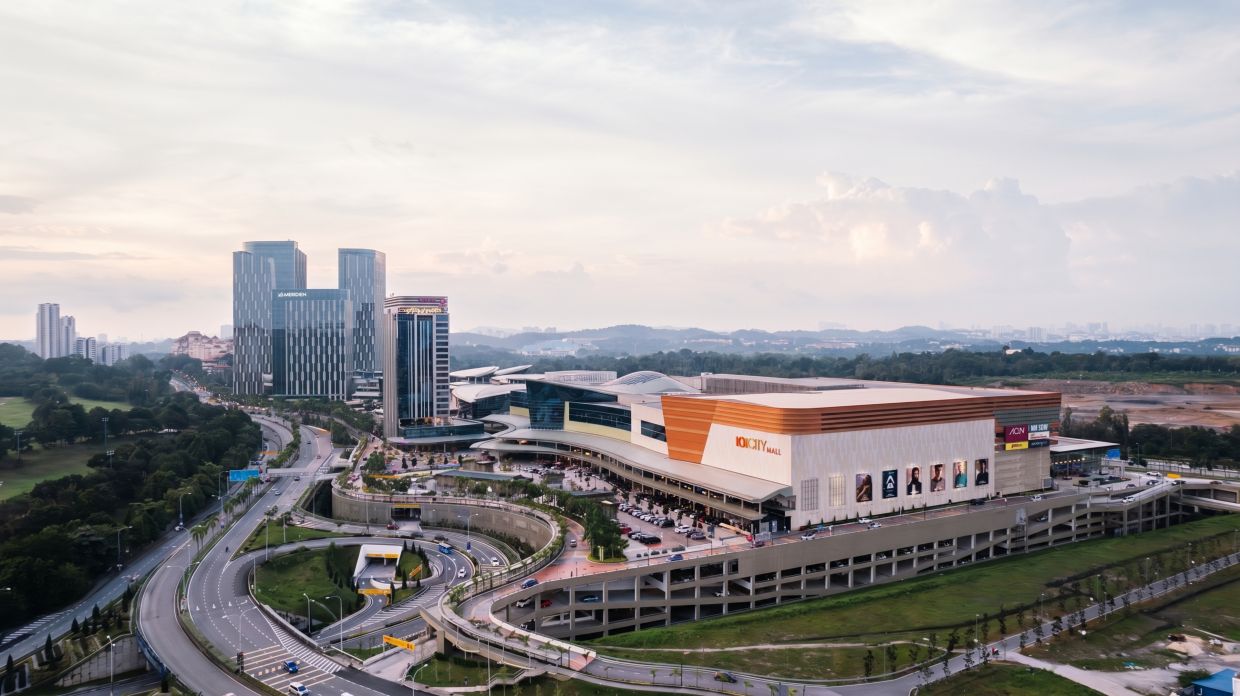
IOI Properties Group has cleared a major regulatory hurdle with Securities Commission approval for its planned real estate investment trust, which will launch with a portfolio of marquee Malaysian assets valued at RM7.58 billion. The move represents a significant capital markets milestone for the developer and signals growing investor appetite for diversified property-backed securities in Southeast Asia.
According to a Bursa Malaysia filing, the REIT will begin operations with 5.5 billion units in issue, anchored by a carefully curated collection of income-generating properties spanning retail, corporate, and hospitality sectors. This diversified approach aims to provide investors with stable, recurring revenue streams while giving IOI Properties access to capital markets without relinquishing long-term asset ownership.
The underlying portfolio encompasses IOI City Mall's two flagship phases in Putrajaya, the mixed-use IOI City Towers complex, and PFCC Towers in central Kuala Lumpur. Beyond these commercial anchors, the REIT will hold six branded hotel properties representing premium hospitality assets. These include the Putrajaya Marriott, Le Méridien Putrajaya, and Moxy Putrajaya in the federal administrative centre, while the portfolio extends to W Kuala Lumpur in the capital and Four Points by Sheraton Puchong and Courtyard by Marriott Penang in their respective regions. This geographic spread and brand diversity reduce concentration risk and appeal to institutional investors seeking exposure across Malaysia's key urban markets.
The fundraising structure demonstrates careful planning to balance growth capital with existing shareholder interests. IOI Properties will finance the asset acquisition through 5.5 billion consideration units priced at 90 sen per unit, supplemented by RM2.65 billion in financing arranged through Sukuk issuance. This combination of equity units and Islamic financing reflects market conditions and regulatory preferences within Malaysia's financial ecosystem, while Sukuk structures have become increasingly popular among Malaysian corporations seeking capital at competitive rates.
The initial public offering has been meticulously structured to accommodate multiple investor categories and regulatory requirements. The retail tranche comprises 715.6 million units divided among several segments. Existing IOIPG shareholders receive a restricted offer for sale opportunity, recognising their historical stake in the company. Eligible persons—a category that typically includes financial advisers and securities industry professionals—receive allocations reflecting their market-making role. A public tranche of 55 million units is specifically reserved for Bumiputera investors, ensuring Malay and indigenous Malaysian participation in what will be a significant publicly listed asset.
The institutional component extends to 1.48 billion units, marketed to both Bumiputera-approved institutional investors and the broader international and domestic institutional investor base. This bifurcation allows Bumiputera-linked institutions and companies to secure meaningful stakes while maintaining market accessibility for foreign and non-Bumiputera Malaysian fund managers, pension funds, and insurance companies. The structure balances Malaysia's affirmative action frameworks with international investor engagement, a delicate equilibrium that characterises most major Malaysian public listings.
Securities Commission approval has been granted subject to several conditions designed to protect minority investors and ensure proper governance. A critical requirement mandates that Bumiputera investors maintain at least 12.5 percent equity ownership in the REIT post-listing, safeguarding their continued participation and influence. Additionally, the regulator has imposed operational audit obligations following the REIT's launch, ensuring transparent financial reporting and compliance with property and hospitality industry standards. These conditions reflect the SC's commitment to investor protection while acknowledging Malaysia's policy preference for Bumiputera economic participation.
The approval carries broader implications for Malaysia's real estate and capital markets sectors. REIT listings have become increasingly popular globally as investors seek yield-producing assets with lower volatility than individual property transactions. Within Southeast Asia, where urbanisation and retail recovery continue following pandemic disruptions, REIT structures offer developers a mechanism to recycle capital into new projects while maintaining operational control. For IOI Properties specifically, this REIT vehicle allows the group to unlock significant value embedded in mature, cash-generating assets without diluting management control through share issuance.
The timing of this REIT flotation also reflects market sentiment regarding Malaysian property recovery. While retail sectors faced headwinds during pandemic lockdowns, premium malls in established markets like Putrajaya and Kuala Lumpur have demonstrated resilience. Hotel properties similarly show signs of recovery as domestic and regional travel normalises. Institutional investors increasingly view Malaysian retail and hospitality REITs as relatively stable income generators within Asia's diverse property market.
For Malaysian investors and the broader economy, this REIT creation expands investment options beyond traditional equity and bond instruments. Retail shareholders gain exposure to professionally managed, diversified property portfolios with contractual income distributions—an attractive proposition in an environment of subdued traditional savings rates. Institutional investors obtain exposure to Malaysia's premium real estate without direct asset ownership, reducing capital requirements and operational complexity.
The listing also demonstrates continued viability of Malaysia's capital markets for major corporate transactions. Despite regional competition from Singapore and Hong Kong, Malaysian issuers continue to access domestic and international capital through Bursa Malaysia and sukuk markets. Successful large REITs strengthen this ecosystem and demonstrate that sophisticated financial instruments remain accessible to Malaysian corporations with quality assets and professional management.
Looking forward, the REIT's performance will likely influence other Malaysian property developers considering similar structures. Should this IOI REIT generate attractive risk-adjusted returns for investors, comparable listings from other developers may accelerate, further deepening Malaysia's REIT market and providing additional yield-generating instruments for investors seeking alternative investment vehicles beyond traditional equities and bonds.

