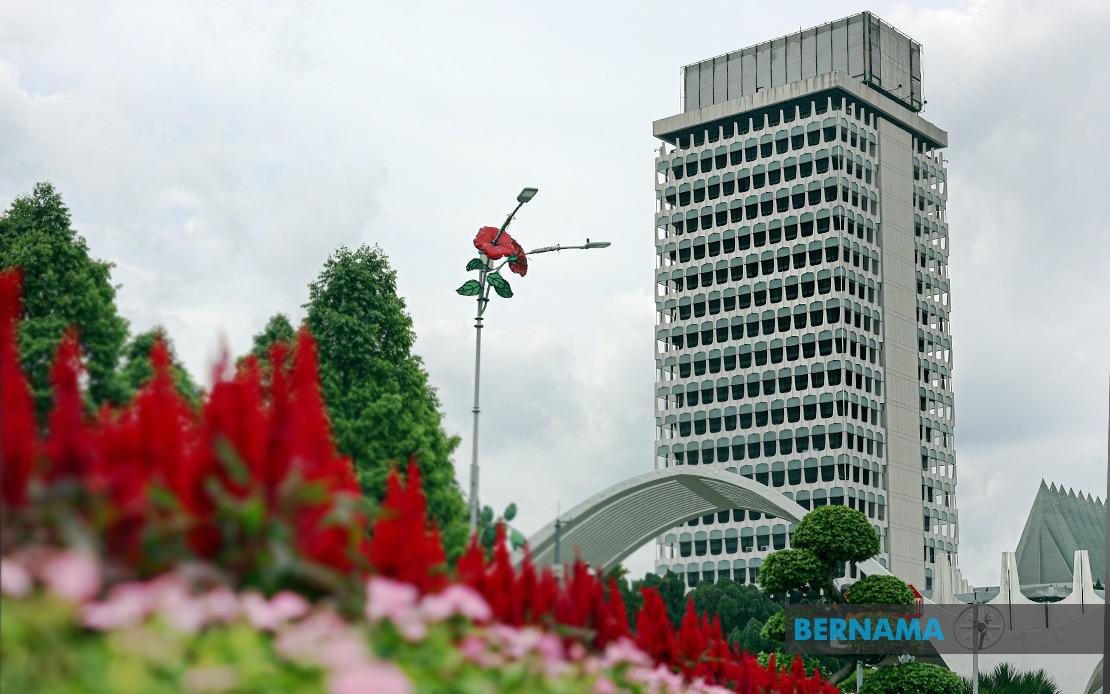
Parliament is set to grapple with two pressing concerns affecting everyday Malaysians when the Dewan Rakyat convenes today: the persistent frustration of internet access failures despite strong signal indicators, and the widening fiscal pressure from fuel subsidies intensified by instability in West Asia. These issues reflect the intersection of infrastructure reliability and macroeconomic vulnerability that shape the country's economic outlook and citizen wellbeing.
The communications crisis has become increasingly visible to the public. Datuk Anyi Ngau, representing GPS-Baram, will press the Communications Minister to outline the Malaysian Communications and Multimedia Commission's strategic response to a baffling phenomenon: devices displaying full signal strength yet failing to establish internet connections. This disconnect between what consumers see on their screens and actual network performance represents not merely a technical glitch but a credibility challenge for regulators and service providers tasked with delivering reliable digital infrastructure. The issue echoes broader concerns about the adequacy of telecommunications oversight in ensuring quality of service standards.
Paralleling the digital infrastructure challenge is the fiscal strain emanating from geopolitical volatility. Mohd Syahir Che Sulaiman, PN member for Bachok, will interrogate the Finance Minister on how deteriorating conditions in West Asia are reshaping Malaysia's fuel subsidy budget. The correlation between regional conflicts and domestic fuel costs reflects the country's integration into global energy markets, where supply disruptions or price volatility ripple directly into government expenditure. With fuel subsidies already consuming substantial budgetary resources, any acceleration in subsidy obligations threatens the government's capacity to meet its fiscal deficit targets—commitments central to maintaining investor confidence and economic stability.
The timing of this parliamentary scrutiny is significant given Malaysia's ongoing economic management objectives. Fuel subsidies represent a delicate policy instrument, serving to protect lower-income households from price shocks while draining public finances. When external shocks like regional conflict drive up global energy prices, the subsidy burden balloons, forcing difficult choices between fiscal discipline and social protection. Parliament's focus on this issue signals recognition that the government must articulate a credible pathway for managing these competing pressures.
Beyond macro-level concerns, Parliament will also address accessibility to credit for informal sector workers. Jamaludin Yahya from Pasir Salak will raise the structural barriers preventing self-employed individuals, small traders, hawkers, and gig workers from accessing home financing despite lacking conventional employment documentation. This reflects a genuine policy gap in Malaysia's financial system: traditional lending criteria, designed around salaried workers with fixed income streams, systematically exclude millions engaged in legitimate economic activity. Solutions here require both regulatory flexibility from financial institutions and creative government backing mechanisms to unlock housing opportunities for this economically vital but institutionally underserved population.
Another dimension of parliamentary business concerns the regulation of confinement centres, facilities that provide post-partum care but operate in a grey legal zone. Yeo Bee Yin, PH representative for Puchong, will seek assurance that the Women, Family and Community Development Ministry stands ready to establish a comprehensive regulatory framework and pass new legislation governing these centres. The absence of clear legal standards creates risks around quality control, safety, and consumer protection in a sector serving vulnerable women during a critical health transition. This legislative push reflects growing parliamentary attention to informal service sectors where commercial activity outpaces regulatory development.
Following the question and answer segment, Parliament will proceed to the second reading of two bills targeting the communications and multimedia sector: the Communications and Multimedia (Amendment) Bill 2026 and the Malaysian Communications and Multimedia Commission (Amendment) Bill 2026. Both bills received their first reading on July 13, advancing swiftly through the legislative calendar. The timing of these amendments—occurring alongside parliamentary scrutiny of internet service failures—suggests the bills may address regulatory gaps or enforcement mechanisms relevant to the connectivity issues dominating today's debate.
These legislative proposals carry significance for Southeast Asian observers monitoring Malaysia's digital governance trajectory. Amendments to the communications framework can affect everything from network infrastructure standards to consumer complaint mechanisms to the MCMC's enforcement powers. In a regional context where digital divides and infrastructure reliability vary widely across ASEAN nations, Malaysia's legislative choices may signal its commitment to tightening regulatory standards or, alternatively, prioritising lighter-touch approaches that favour service providers.
The current parliamentary sitting, running through July 16, provides a 16-day window for debate and legislation. This compressed schedule underscores the legislative agenda's density and suggests Parliament is working through a prioritised list of time-sensitive matters. The juxtaposition of questions about internet reliability, fuel subsidy impacts, informal sector financing, and confinement centre regulation reflects Parliament's broad remit across economic management, social protection, and sector-specific oversight.
Malaysian lawmakers are navigating genuine policy complexities with no straightforward solutions. Internet connectivity failures require investment in infrastructure and potentially stricter regulatory enforcement, both costly propositions. Managing fuel subsidy obligations amid external shocks demands either accepting larger fiscal deficits, phasing out subsidies, or developing better targeting mechanisms—each politically and economically contentious. Expanding credit access for informal workers requires financial system innovation and potentially public guarantee schemes. Regulating confinement centres demands balancing consumer protection with preserving an industry providing genuine services. Today's parliamentary session will test whether legislators can move beyond problem identification toward actionable governance responses.

