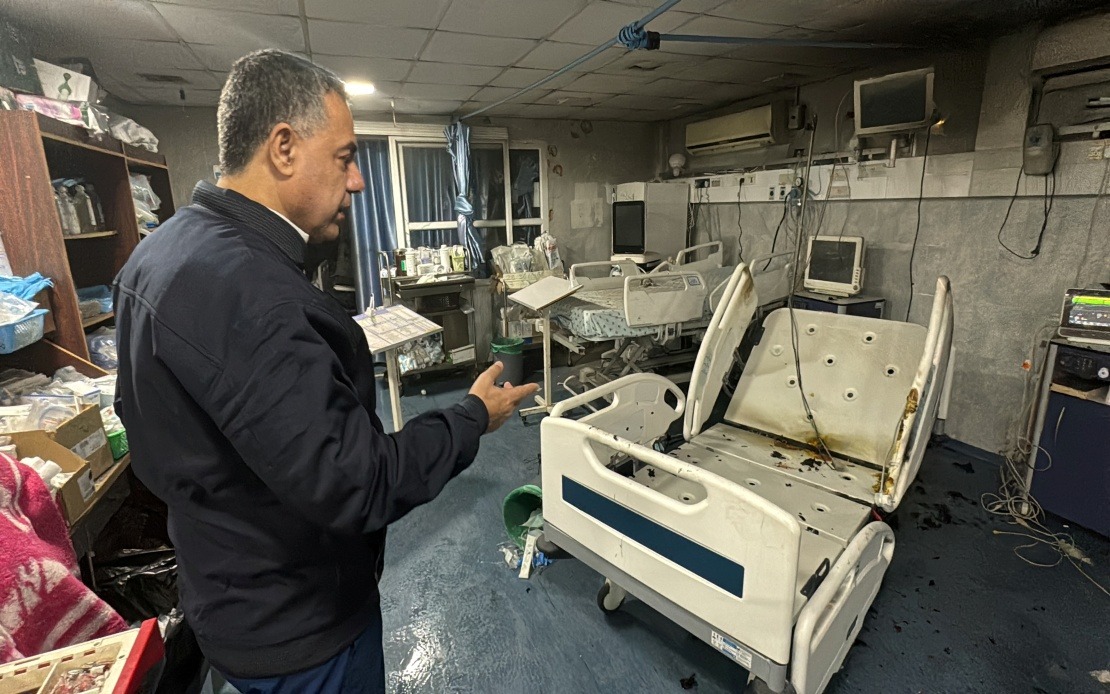
A prominent human rights organisation focused on medical ethics has escalated warnings about the condition of Dr Hussam Abu Safiya, who headed operations at Kamal Adwan Hospital before his transfer to an Israeli detention facility. Physicians for Human Rights has documented what it characterises as alarming deterioration in his health following his incarceration at Nitzan Prison, prompting fresh calls for his immediate release and raising questions about detention practices during the ongoing conflict in Gaza.
According to an assessment conducted by the organisation's legal representative, Nasser Odeh, who met with Dr Abu Safiya on July 2, the hospital administrator bears visible signs of physical trauma inconsistent with standard detention procedures. The documentation reveals multiple areas of bodily injury including extensive bruising and lacerations across his head, facial region, and neck, alongside reports of respiratory complications and recurring episodes of unconsciousness. The severity of these injuries rendered the detainee nearly unrecognisable to observers.
The circumstances surrounding the meeting itself underscored the restricted environment in which Dr Abu Safiya is being held. The hospital director was brought to the consultation with both his hands and feet in restraints while masked guards maintained a visible security presence. Such conditions raise questions about the conduct of detention and the degree of isolation imposed on the prisoner. The physical presentation documented by Odeh represents one of the most damaging testimonies the organisation has compiled since hostilities intensified in the region.
Naji Abbas, who oversees the prisoners' rights division at Physicians for Human Rights Israel, characterised the lawyer's findings as among the most disturbing accounts the group has received throughout the conflict. Abbas emphasised that Dr Abu Safiya himself expressed fears that his continued detention could result in death, statements that Abbas regards as reflecting genuine and immediate peril rather than exaggerated concern. The convergence of physical evidence and the detainee's own assessment creates a compound case for urgent intervention.
The organisation's analysis suggests a temporal pattern warranting investigation. The condition allegedly worsened following Dr Abu Safiya's attempt to challenge his continued detention through legal proceedings, raising suggestions of possible retaliation or punitive measures tied to his assertion of legal rights. This sequence of events—legal resistance followed by apparent deterioration—forms what the rights group considers grounds for an independent investigation into detention facility practices.
Physicians for Human Rights has consistently maintained that Dr Abu Safiya and other medical professionals currently in custody have not been formally charged with or tried for any alleged offences. This position places the detention outside conventional legal frameworks and raises questions about the legal basis for holding individuals without established judicial process. The absence of formal charges compounds the organisation's concerns about both the legality and the humanitarian dimensions of the detention.
The group has specifically called upon Israeli authorities to acknowledge their fundamental responsibility for the welfare of all individuals held in their custody. This responsibility encompasses not merely basic provision of conditions but active protection of detainees' health, safety, and ultimately their right to life. The organisation's statement implicitly challenges authorities to demonstrate that such protections are being adequately maintained within detention facilities.
For Southeast Asian observers, the case underscores the international human rights dimensions of prolonged regional conflicts. Malaysia and other ASEAN nations maintain strong historical commitment to humanitarian principles and medical neutrality, positions that align with the concerns raised by medical rights advocates. The treatment of healthcare workers caught in conflict zones carries particular significance given the essential nature of their work and the principle that medical personnel should remain protected from harm even during hostilities.
The case of Dr Abu Safiya also reflects broader patterns documented during the Gaza conflict regarding the detention of medical professionals and the alleged targeting of healthcare infrastructure. Several other physicians have reportedly faced similar detention without formal charges, suggesting a systemic approach rather than isolated incidents. These developments complicate the already complex humanitarian landscape surrounding the conflict and raise questions among international medical organisations about the application of protections supposedly guaranteed under international humanitarian law.
The deteriorating health situation described raises urgent practical concerns about medical care within detention facilities themselves. If Dr Abu Safiya requires treatment for his documented injuries, the question arises whether such care is being provided adequately or at all. The responsibility for ensuring appropriate medical attention falls directly on detention authorities, yet the physical evidence suggests this obligation may not be met, creating a compound humanitarian crisis.
Physicians for Human Rights' position reflects growing international concern about detention practices that fall outside transparent legal frameworks. The organisation's call for immediate intervention represents pressure on multiple actors—Israeli authorities directly, international bodies nominally responsible for humanitarian oversight, and other nations with diplomatic influence—to prioritise the physical safety and legal protection of detainees. The stakes in this particular case extend beyond one individual to questions about how conflict situations affect professional workers and vulnerable populations more broadly.

