Indonesia's primary international gateway, Soekarno-Hatta International Airport in Jakarta, has become a critical flashpoint in Southeast Asia's drug trafficking war, with customs authorities recording over 300 narcotics cases during the first seven months of this year alone. The relentless pace—averaging at least two seizures daily—underscores how major aviation hubs have become battlegrounds where international crime syndicates exploit porous security gaps and the constant flow of millions of passengers. The scale of enforcement reflects the airport's enormous volume, processing between 25,000 and 30,000 international travellers daily, making it simultaneously an essential economic corridor and a vulnerable entry point for illicit substances destined for Indonesia, the broader Southeast Asian region, and beyond.
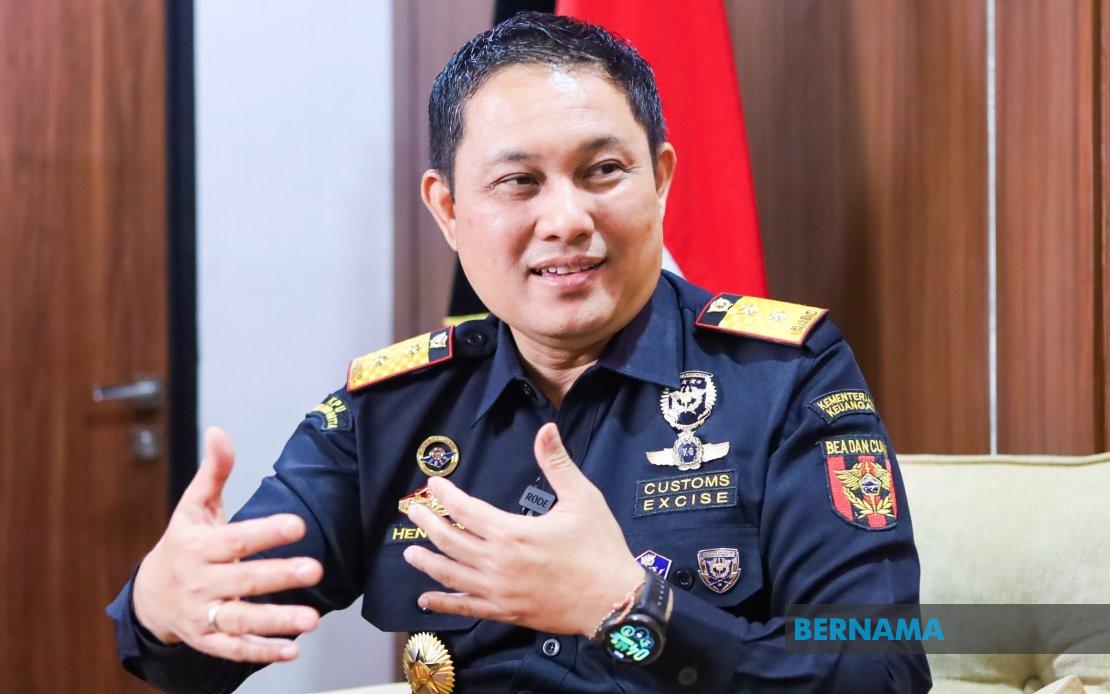
According to Hengky Tomuan Parlindungan Aritonang, head of the Soekarno-Hatta Main Customs and Excise Office, these figures paint a sobering picture of how transnational smuggling networks operate with little regard for conventional geographic boundaries. The identity of arrested couriers and the nationality of detected substances often diverge significantly from the origin of incoming flights, a pattern that reveals the sophistication of criminal organisations in obscuring trafficking origins. Indonesian citizens returning from employment abroad have been recruited to carry contraband into their home country, while passengers from multiple nations—including Spain, France, China, Malaysia, and Thailand—have been apprehended. This deliberate misdirection, combined with the use of major regional hubs like Kuala Lumpur, Bangkok, and Hong Kong as transit points, means that straightforward origin-destination analysis provides an incomplete picture of the actual trafficking ecosystem.
The substances seized reflect evolving criminal preferences and market demands across the region. Psychotropic compounds, etomidate, and methamphetamine dominated the interception data, while methamphetamine and MDMA—commonly known as ecstasy—accounted for the largest volumes by weight. Beyond passenger screening, narcotics also transit through air cargo channels, where customs investigators employ a reverse-tracing methodology, identifying intended recipients before pursuing investigations upstream toward shippers. This dual-track enforcement approach demonstrates that airport security extends far beyond baggage checks and body scanners, encompassing intelligence gathering and post-seizure investigation that can unravel entire supply chains.
Recent high-profile cases involving Malaysian nationals have intensified scrutiny of smuggling routes linking Malaysia to Indonesia, raising concerns about the vulnerability of travellers from neighbouring countries to increased—or perceived increased—inspection protocols. A Malaysian airline pilot was arrested following the discovery of approximately 25 kilograms of MDMA at Soekarno-Hatta the previous week, representing one of the year's most audacious and professionally alarming incidents. A second Malaysian was detained at Juanda International Airport near Surabaya with 990 grammes of methamphetamine and 1,089 ecstasy pills allegedly affixed to his body, while three Malaysian women were apprehended at Soekarno-Hatta after officials discovered suspected MDMA, cocaine, and ketamine in their possession. These arrests have naturally generated conversation in Indonesia and concern in Malaysia about patterns and enforcement intensity.
Aritonang has moved to reassure Malaysian travellers that recent arrests of nationals from their country do not signal a shift toward nationality-based profiling or discriminatory screening. He emphasised that Soekarno-Hatta's customs operations adhere to strictly professional protocols governed by data analysis, intelligence assessment, and X-ray imagery interpretation rather than demographic characteristics. The decision to examine a particular bag or passenger rests entirely on objective indicators detected through scanning technology and investigative evidence, not on a traveller's passport origin, ethnic background, or appearance. This statement carries particular importance for the Malaysia-Indonesia travel corridor, which involves hundreds of thousands of passengers annually and underpins significant economic ties between the two nations.
The pilot case, according to Aritonang, drew exceptional media attention not primarily because the accused held Malaysian citizenship but because his professional standing as a licensed aviator represented an extraordinary breach of expectations within the aviation industry. Pilots undergo rigorous licensing examinations, recruitment vetting, medical screening, and security clearances—safeguards designed to ensure that those entrusted with the safety of hundreds of passengers meet the highest standards of reliability and integrity. The infiltration of this elite professional cadre by traffickers suggests that criminal syndicates deliberately target sectors and individuals perceived as beyond suspicion, exploiting the very assumptions that security systems depend upon. Aritonang noted that syndicates consciously identify gaps between what law enforcement considers unlikely and what criminally-minded recruiters believe achievable, inverting security logic to their operational advantage.
The rarity of pilot involvement in documented trafficking cases underscores how exceptional the Malaysian pilot's arrest truly is. To Aritonang's recollection, only one comparable case surfaced in Indonesia's enforcement history—an Indonesian pilot implicated in narcotics smuggling approximately two decades prior. This scarcity makes the incident less an indictment of pilots as a profession and more a reminder of criminal adaptability and the willingness of trafficking networks to experiment with unconventional recruitment strategies when traditional courier channels face increased risk. The incident also suggests that even highly vetted, security-conscious sectors remain potentially vulnerable to infiltration if syndicates deploy sufficient resources and persuasion.
The broader drug seizure landscape at Soekarno-Hatta reflects the airport's pivotal role within regional and global trafficking networks. Thailand, Spain, Malaysia, and Singapore emerged as principal source jurisdictions or transit points for intercepted narcotics, mapping a geographic footprint that implicates Southeast Asia as simultaneously a production zone, a consumption market, and a transshipment corridor. This multifaceted role complicates enforcement strategies, as disrupting smuggling at any single airport or border requires coordination across multiple national jurisdictions with varying enforcement capacity, legal frameworks, and intelligence-sharing mechanisms. For Malaysia specifically, the data suggests that while nationals have been involved in trafficking incidents, Malaysian territory and transportation infrastructure also serve as supply sources and routing hubs—a reality that compounds the challenges facing both Malaysian and Indonesian law enforcement agencies.
The average of two drug seizures daily at Soekarno-Hatta, sustained across seven months, suggests neither aberrant enforcement spikes nor anomalous trafficking surges but rather a structural and persistent challenge rooted in the airport's fundamental importance to regional movement. As passenger volumes grow, absolute numbers of smuggling incidents may increase proportionally unless enforcement intensity and technological sophistication advance at equivalent rates. The customs office's willingness to publicly disclose detailed statistics and explain enforcement methodologies represents transparency that builds confidence in regional security architecture, particularly among Malaysian travellers and officials concerned about potential discrimination or unfair practices.
Moving forward, the data underscores the necessity for coordinated multilateral responses addressing trafficking at source, transit, and destination simultaneously. Indonesia's enforcement capacity at Soekarno-Hatta has proven effective in detecting and interdicting substantial quantities of contraband, but without parallel interventions in Malaysia, Thailand, and other regional partners, traffickers will simply adapt routes and tactics rather than retreat from markets. Intelligence sharing, harmonised legal frameworks, and joint investigation teams become essential tools for disrupting the transnational networks orchestrating these smuggling operations. The Malaysian pilot case, despite its sensational dimensions, ultimately serves as a reminder that security depends not on rigid screening protocols targeting identifiable demographic groups but on dynamic, data-driven enforcement informed by contemporary criminal tactics and innovation.

