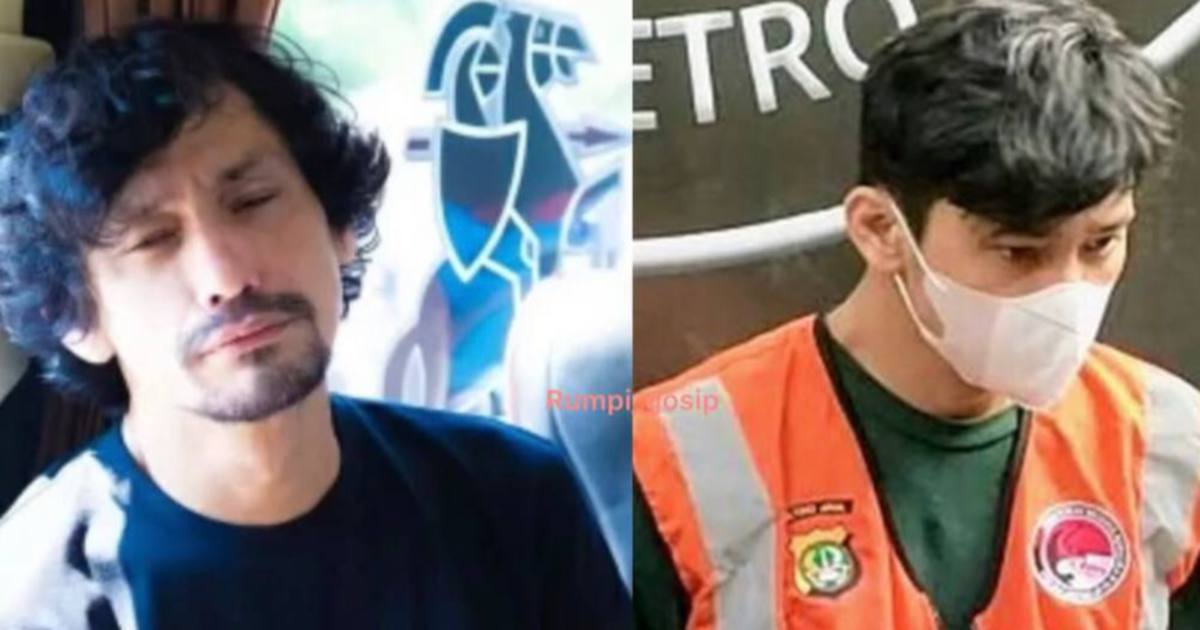
Indonesian television actor Revaldo Fifaldi finds himself back in custody following a drug-related arrest that marks his fourth documented encounter with law enforcement on similar charges. Police conducted a raid at a residential apartment in the South Jakarta district, culminating in his detention as authorities continue to grapple with persistent narcotics problems affecting the entertainment sector across Indonesia.
The arrest underscores a troubling pattern in Revaldo's recent years, as repeated brushes with the law over controlled substance possession have become increasingly difficult to overlook. Each subsequent apprehension has drawn greater media scrutiny and public concern about whether rehabilitation efforts have effectively addressed underlying addiction issues. The frequency of these incidents suggests that previous interventions may have fallen short in achieving meaningful long-term behavioural change.
For Malaysian and Southeast Asian audiences following Indonesian entertainment news, such recurring arrests within the regional film and television industry raise broader questions about how show business communities manage substance abuse challenges. The prominence of entertainment figures in these cases often amplifies their impact on public discourse, making them watershed moments that influence how societies perceive drug-related matters more generally.
Police operations targeting drug possession in residential settings have intensified across Jakarta's more affluent districts, reflecting a multi-layered enforcement strategy aimed at disrupting supply chains and usage networks. South Jakarta, in particular, has become a focal point for such operations, suggesting that authorities view the area as significant in their broader narcotics suppression efforts. The apartment raid that led to Revaldo's capture aligns with this pattern of targeted interventions.
The entertainment industry in Indonesia has confronted numerous high-profile cases over the past decade, with actors, musicians, and other public figures becoming entangled in legal proceedings related to drug offences. These incidents have prompted conversations within production companies, talent agencies, and broadcasting networks about whether industry-wide support systems for mental health and substance abuse prevention require strengthening. The pattern suggests systemic vulnerabilities that extend beyond individual failing.
Revaldo's career trajectory illustrates the precarious nature of professional viability once legal troubles compound. Each arrest carries reputational consequences that can significantly impact employment prospects and earnings potential within a competitive industry. For younger entertainers observing these developments, the visible consequences of substance abuse may serve as cautionary examples, though their effectiveness in deterring behaviour remains debatable among public health professionals.
Indonesian criminal law imposes serious penalties for drug-related offences, with possession charges potentially resulting in substantial prison sentences depending on quantity and classification of the substance involved. The legal framework distinguishes between simple possession for personal use and trafficking in larger quantities, though even the former category carries significant custodial consequences. Understanding the specific charges against Revaldo will be essential for determining the likely trajectory of his case through the judicial system.
The involvement of entertainment personalities in drug cases often generates disproportionate media coverage compared to similar arrests among the general population, reflecting the cultural salience of celebrity within contemporary Indonesian society. This phenomenon shapes public perception of drug-related criminality and can simultaneously raise awareness about substance abuse issues whilst potentially sensationalising them in ways that distract from underlying policy discussions.
For Southeast Asian entertainment industries more broadly, the Indonesian case illustrates a common challenge affecting countries throughout the region. Malaysia, Thailand, and other neighbouring nations have similarly grappled with high-profile arrests of entertainment figures, suggesting that substance abuse transcends national boundaries and affects the entertainment sector across cultural and geographic lines. Comparative analysis of how different countries address these issues may yield insights for policymakers developing prevention and intervention strategies.
Rehabilitation and reintegration following drug-related arrests present both personal and professional challenges for entertainers seeking to rebuild their careers. The success of such efforts depends on multiple factors including access to appropriate treatment programmes, family support systems, and willingness to engage seriously with recovery processes. Public willingness to support the comebacks of previously convicted entertainers varies considerably, influenced by perceptions of sincerity and demonstrated commitment to behavioural change.
Law enforcement agencies across Indonesia continue refining approaches to drug interdiction, balancing supply-side enforcement with demand-reduction initiatives aimed at preventing substance abuse initiation. The prominence of entertainment industry cases in public discourse occasionally overshadows broader epidemiological questions about drug prevalence within different demographic and socioeconomic segments of the population. Comprehensive data collection and analysis remain essential for developing evidence-based policy responses.
Revaldo's case will inevitably proceed through legal channels in coming months, with outcomes potentially influencing both his personal circumstances and broader conversations about entertainment industry accountability. Whether this arrest catalyses meaningful institutional changes within Indonesian television and film production remains to be determined, though the pattern of recurring incidents suggests that current approaches may warrant reassessment by industry stakeholders and policymakers alike.

