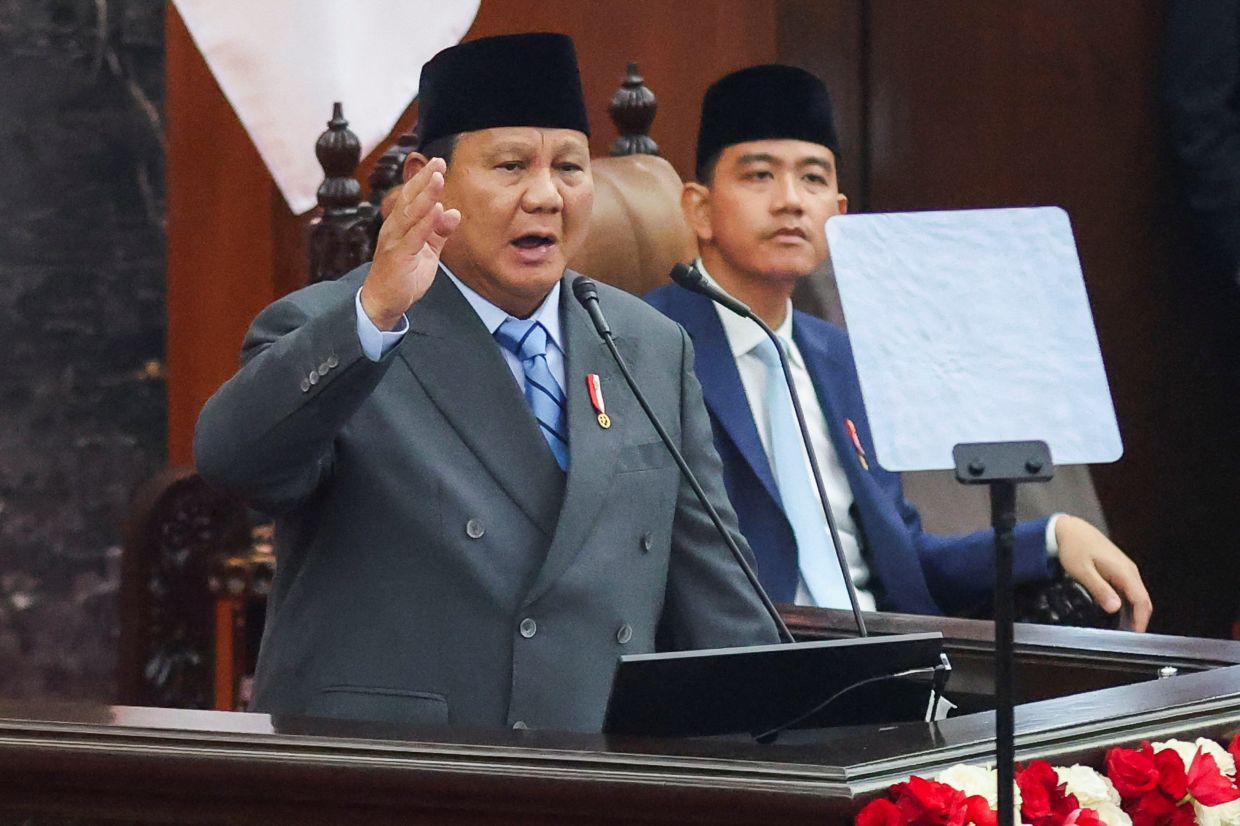
Indonesia is embarking on what President Prabowo Subianto characterises as potentially the world's largest corporate restructuring, pledging to eliminate more than 750 underperforming state-owned enterprises by the end of 2024. The announcement, delivered during his state of the nation address to parliament on Friday, represents an aggressive housecleaning of Southeast Asia's largest economy, which has grappled with persistent governance challenges and corruption despite decades of reform efforts.
The scale of the overhaul came as a surprise to Prabowo himself. When Indonesia established the Danantara sovereign wealth fund last year to consolidate state assets under unified management, officials discovered the government had been operating 1,074 state-owned enterprises — far exceeding the president's initial estimate of between 300 and 400 entities. This revelation underscores the extent of bureaucratic fragmentation and the difficulty Jakarta has faced in maintaining oversight of its sprawling public sector apparatus.
At the heart of Prabowo's initiative lies a stark indictment of how these enterprises have been managed. He accused state-owned companies of operating with impunity, reporting fabricated profits while concealing substantial losses and demonstrating little accountability to the nation or state coffers. The president's candid assessment reflects frustration with a system in which supervisory boards have allegedly prioritised self-enrichment through inflated salaries and perquisites over prudent stewardship of public resources. Already, 290 enterprises have been shuttered, and the administration projects that only 300 productive entities will remain operational by year-end, representing a dramatic consolidation of the state sector.
The financial implications of this restructuring are substantial. Prabowo claims the closures have already generated approximately 50 trillion rupiah — exceeding $2.8 billion — in overhead savings by eliminating redundant management positions, reducing director and commissioner compensation, and cutting expenditures on real estate, vehicle fleets, and executive travel. The government targets additional savings exceeding 70 trillion rupiah throughout the current year. These figures, if verified independently, would represent a significant reallocation of public resources away from administrative costs toward service delivery and development priorities.
Concurrently, Prabowo has attributed improved state enterprise performance to enhanced governance frameworks. Official data suggests profits among remaining entities surged more than 75 per cent from 2024 to 326 trillion rupiah last year, a metric the president cites as evidence that consolidation yields both efficiency and financial returns. However, such claims merit scrutiny, as international analysts have repeatedly questioned the reliability of Indonesia's official economic statistics, and the distinction between genuine operational improvement and accounting adjustments remains unclear.
The anti-corruption dimension of Prabowo's agenda extends beyond administrative streamlining. He has proposed establishing a special ad hoc court to investigate the management practices and decision-making of state enterprise boards spanning three decades, a measure aimed at addressing what he characterises as systemic malfeasance within the public sector. This initiative acknowledges that merely closing unprofitable entities does not address accountability for past misconduct or fraud. Yet Prabowo has tempered his prosecutorial zeal by suggesting a conditional amnesty for those willing to acknowledge wrongdoing, a pragmatic concession that recognises both the breadth of potential misconduct and the logistical challenges of mounting comprehensive investigations.
Indonesia's corruption landscape remains persistently troubling despite previous reform initiatives. The country scored only 34 out of 100 on Transparency International's Corruption Perceptions Index for 2025, placing it among the world's more graft-plagued economies and well below regional peers such as Singapore and Taiwan. This persistent weakness creates fertile ground for public grievance, particularly as Indonesians confront rising living costs and inflation exacerbated by regional geopolitical tensions and elevated global energy prices. Anti-corruption messaging has become a rallying point for protest movements, with many citizens viewing institutional mismanagement as directly connected to economic hardship affecting households across income levels.
Prabowo's signature free school meals programme has emerged as a particular flashpoint in this broader conversation about fiscal responsibility and implementation quality. While the initiative addresses genuine nutritional deficiencies — one in four Indonesian children experience stunting, a marker of severe malnutrition — the programme's high costs have invited scrutiny regarding whether funds are being deployed efficiently. The president acknowledged this criticism on Friday, pledging to continue the programme while introducing operational improvements and enhanced oversight, a formulation that attempts to preserve his flagship social policy while addressing concerns about waste.
The restructuring initiative must also be contextualised within Indonesia's economic trajectory and growth ambitions. Official data indicates second-quarter GDP expansion of 5.3 per cent, down from 5.6 per cent in the preceding quarter, suggesting a moderation in activity that raises questions about the sustainability of the administration's target of 6.0 per cent growth by end-2026. Prabowo has emphasised that economic expansion represents a means to prosperity rather than an end itself, stressing that investment and growth must translate into employment creation and improved living standards for lower-income Indonesians. This rhetorical pivot seeks to align ambitious macroeconomic targets with tangible improvements in household welfare.
For Southeast Asian observers, Indonesia's approach to state enterprise consolidation offers instructive lessons about the challenges of managing bloated public sectors in developing economies. Malaysia, the Philippines, and Thailand each operate significant portfolios of state-owned enterprises that have generated similar concerns about inefficiency and governance deficiencies. Should Prabowo's restructuring programme succeed in generating genuine fiscal savings and improved service delivery, regional policymakers may face pressure to pursue comparable consolidation efforts. Conversely, if implementation proves chaotic or if financial savings fail to materialise, the Indonesian experience may serve as a cautionary tale about the risks of rapid, sweeping public sector reform.
The success of Indonesia's enterprise closure programme ultimately hinges on execution and political sustainability. Closing 750 entities will displace managers, eliminate patronage networks, and potentially trigger resistance from entrenched interests benefiting from the current arrangement. Whether Prabowo possesses the political capital and bureaucratic capacity to implement such a transformation, particularly while managing competing demands on the state budget and addressing public discontent over living costs, remains an open question. The coming months will reveal whether this initiative represents substantive institutional reform or merely symbolic action designed to project resolve without necessarily altering Indonesia's fundamental governance challenges.

