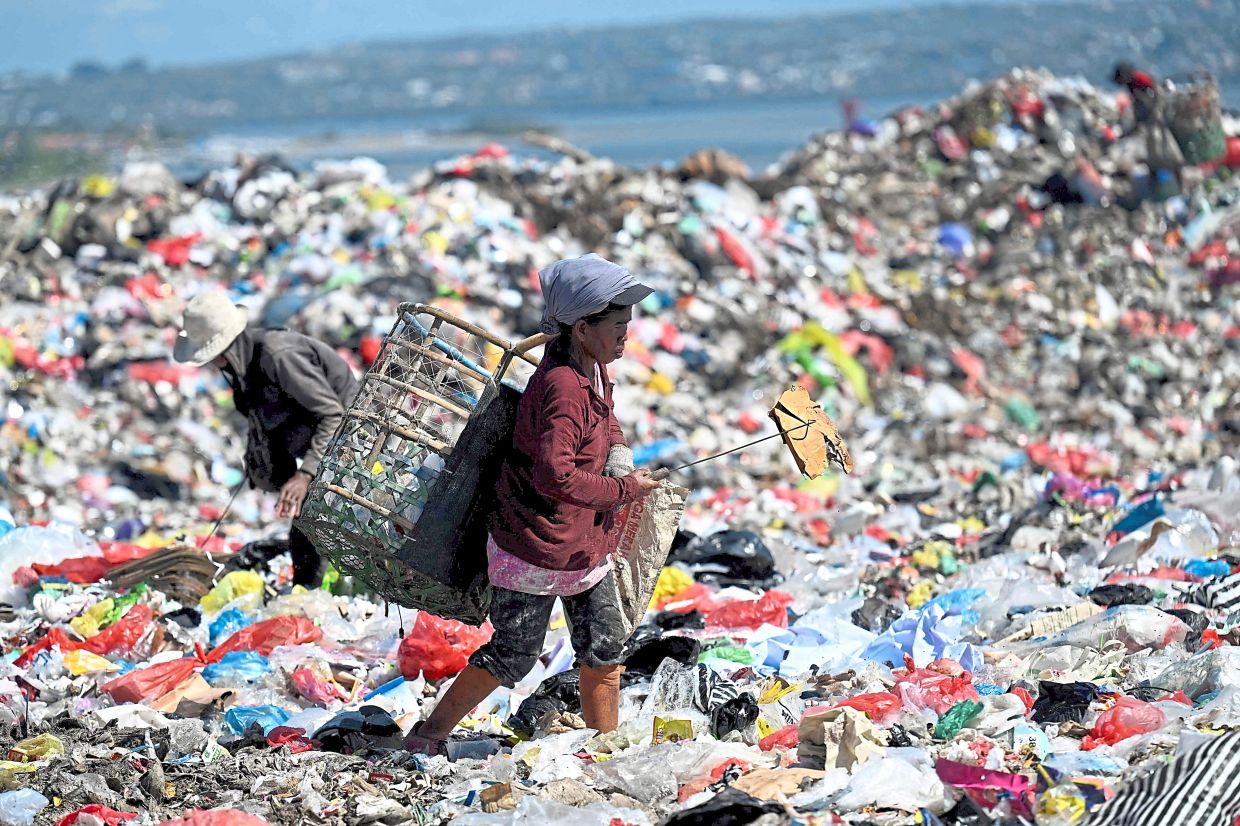
Indonesia has taken a significant step towards modernising its waste management infrastructure with the official inauguration of the country's inaugural waste-to-energy facility in Bali. The groundbreaking ceremony, held on Wednesday, July 8, in Pedungan Village within South Denpasar, signals the beginning of an ambitious national programme to harness electricity from municipal waste while tackling the mounting environmental challenge posed by the nation's refuse crisis. The project was inaugurated through a partnership between Danantara Investment Management, a sovereign wealth fund, and Daya Energi Bersih Nusantara, a dedicated project developer focused on renewable energy solutions.
Rosan Roeslani, chief executive of Danantara Indonesia, framed the initiative as a response to presidential directives aimed at accelerating the country's waste management transformation. He emphasised that the accumulation of waste represents a shared societal challenge that demands urgent action to prevent burdening future generations with environmental debt. This rhetorical positioning underscores how waste management has become a priority issue within Indonesia's broader development agenda, particularly under the current administration's focus on infrastructure and sustainability objectives.
The Bali facility employs moving grate incinerator technology, a proven methodology deployed globally in waste-to-energy operations. This engineering approach has been specifically selected to comply with the European Industrial Emissions Directive, a stringent international standard that ensures the facility operates with rigorous environmental safeguards. By adopting such technology, Indonesia signals its commitment to importing best practices rather than developing inferior domestic alternatives, thereby legitimising the project among environmental stakeholders and international observers concerned about emissions standards.
The environmental credentials of the project appear compelling on paper. Danantara claims the facility will achieve an 80 per cent reduction in emissions per tonne of waste when compared to conventional open-dumping practices at landfills. This substantial differential highlights the environmental cost of current waste management approaches across Indonesia, where landfill dependency remains endemic despite growing recognition of its ecological consequences. For Malaysian policymakers and regional observers, the Bali project offers a practical demonstration of how waste-to-energy technology can deliver measurable environmental improvements while simultaneously generating economic value.
Beyond environmental metrics, the project promises significant employment generation. The facility is projected to create up to 1,200 green jobs during both its construction phase and ongoing operational period. This employment dimension adds a socioeconomic rationale to the investment, positioning waste management not merely as an environmental imperative but as an opportunity for job creation in a sector increasingly recognised as important for inclusive development. For Indonesia's growing population and labour market, such employment opportunities within renewable energy sectors represent valuable diversification from traditional industries.
Crucially, the project has secured long-term commercial viability through a Power Purchase Agreement signed between state utility PLN and the project company during the groundbreaking ceremony. This contractual arrangement provides the facility with guaranteed offtake security, transforming what might otherwise be a speculative venture into a bankable infrastructure project. Such agreements are essential for attracting institutional investment and demonstrating to the financial sector that waste-to-energy facilities can operate as reliable, revenue-generating assets rather than experimental initiatives dependent on perpetual subsidies.
The scale of Indonesia's waste challenge provides sobering context for why such interventions matter. The country generates more than 140,000 tonnes of municipal waste daily, a volume that underscores the inadequacy of landfill-dependent approaches. With population growth and urbanisation continuing to accelerate waste generation across the archipelago, reliance on expanded landfills becomes both economically and environmentally unsustainable. Waste-to-energy technologies therefore represent a pragmatic mechanism for simultaneously addressing waste disposal and electricity generation, two pressing infrastructure challenges facing developing economies throughout Southeast Asia.
For Malaysia, which generates comparable volumes of municipal waste and faces similar infrastructure constraints, Indonesia's Bali initiative offers instructive lessons. The project demonstrates how sovereign wealth funds and state-backed entities can mobilise capital for waste management innovation, potentially serving as a template for comparable initiatives in the region. The emphasis on international standards compliance and technology transfer also suggests that waste-to-energy development need not be confined to wealthy nations but can be successfully deployed across middle-income economies with appropriate governance frameworks.
The project's integration within a broader national programme framework distinguishes it from isolated infrastructure developments. By positioning the Bali facility as the first of multiple planned waste-to-energy plants, Indonesia signals a systemic commitment to transforming waste management rather than implementing ad-hoc solutions. This programmatic approach suggests that policymakers recognise waste management as a cross-sector challenge requiring coordinated investment across multiple sites and regions, particularly in high-population-density areas where waste generation concentrates.
The involvement of multiple stakeholders—a sovereign wealth fund, a project developer, the national utility, and state-directed initiatives—illustrates how waste-to-energy projects depend on ecosystem coordination between public and private entities. This multi-stakeholder model may prove essential for scaling similar initiatives across Indonesia's diverse geography and governance landscape, where local capacity constraints and infrastructure deficits vary significantly between urban centres and peripheral regions.
Looking forward, the success or failure of the Bali facility will shape investor appetite for comparable projects throughout Indonesia and potentially across Southeast Asia. International environmental standards compliance, transparent governance, and demonstrated cost-effectiveness could position waste-to-energy as an attractive investment class for institutional capital seeking exposure to sustainable infrastructure. Conversely, operational challenges or cost overruns could deter future investment and reinforce scepticism about whether technology-intensive waste management solutions suit Indonesian conditions.

