Indian Prime Minister Narendra Modi has moved swiftly to address a mounting education crisis by announcing the establishment of a high-powered task force dedicated to reforming the national examination system. The announcement, delivered through a video statement posted to X on Sunday, July 26, comes just one day after his administration's education minister stepped down amid escalating public pressure. The move signals government recognition of deep systemic flaws in how India administers crucial entrance and qualifying examinations that determine educational pathways for millions of students.
The task force, to be spearheaded by Nandan Nilekani, the influential co-founder of Infosys, one of India's leading information technology companies, represents a significant institutional response to what has become a defining governance challenge for the Modi administration. Nilekali's appointment carries particular symbolic weight, reflecting the government's desire to bring technological expertise and private sector rigour to public sector examination administration. His selection underscores the administration's intention to draw on India's considerable IT capabilities to modernise a system that has long been plagued by organisational inefficiencies and credibility gaps.
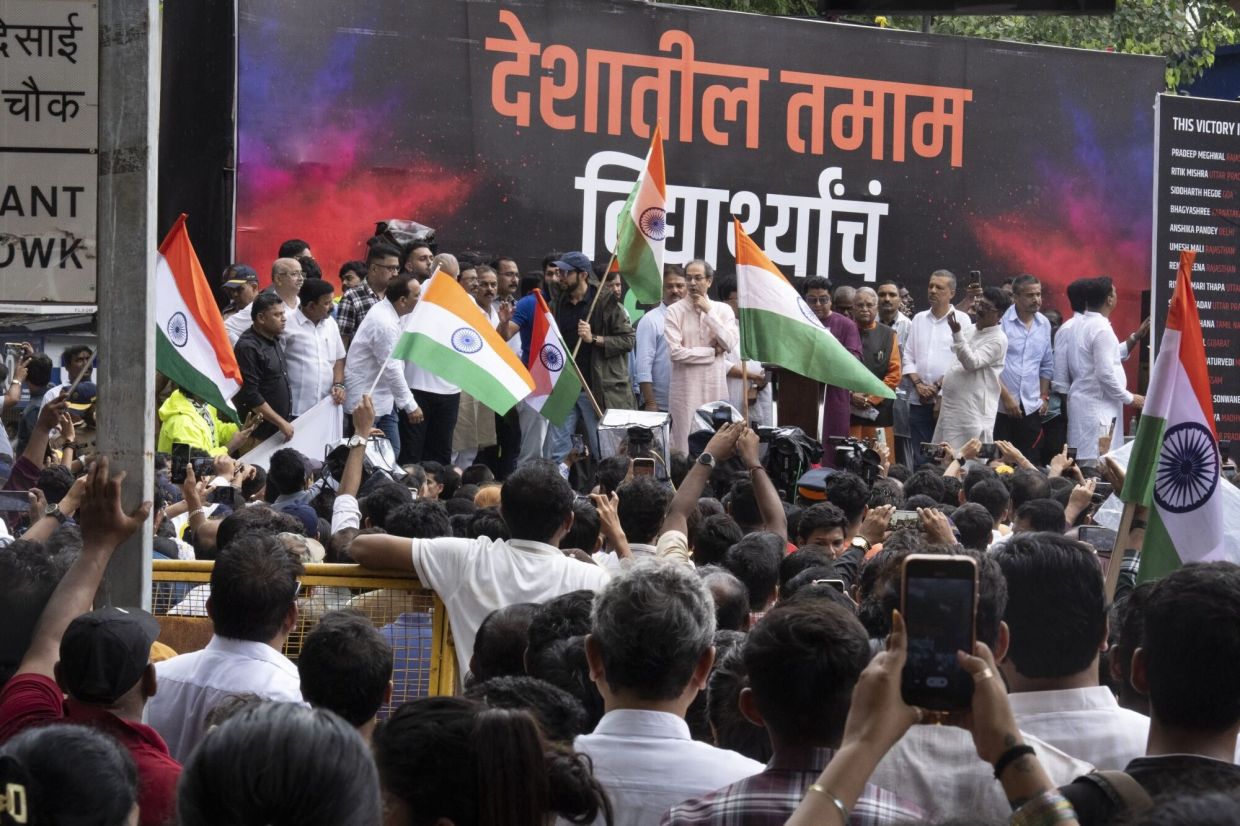
The announcement follows weeks of sustained protest activity that culminated in one of India's most substantial anti-government demonstrations in recent years. The social media-driven Cockroach Janta Party mobilised thousands of participants, predominantly university and secondary school students, who converged on Jantar Mantar, the prominent protest site in New Delhi's central district. The campaign attracted sufficient political weight to force the resignation of the education minister and compel the government to concede to several additional core demands from the protest movement, indicating the unusual political leverage exercised by student constituencies in contemporary Indian politics.
The grievances fuelling the protests extend well beyond isolated incidents of examination irregularities. Young Indians have expressed broader frustrations with an education system they perceive as outdated, inequitable, and increasingly disconnected from their aspirations and needs. The concentration of university entrance examinations and other qualifying tests through centralised national mechanisms has created bottlenecks and afforded limited opportunities for appeals or remediation when administrative failures occur. For students whose educational futures depend on performance in these high-stakes examinations, systemic failings carry immediate and often irreversible consequences.
In his video address, Modi articulated three foundational principles that should govern India's reformed examination framework. He emphasised that the system must operate with enhanced reliability, ensuring that test administration meets consistent quality standards across all examination sessions and geographic locations. Transparency emerged as a second critical requirement, suggesting that examination authorities must provide candidates and the public with clear information regarding procedures, evaluation criteria, and outcomes. The third pillar centred on technology deployment, with Modi indicating that modern digital infrastructure should be harnessed to strengthen examination integrity and reduce opportunities for manipulation or irregularities.
The government's commitment to accelerating examination credibility appears motivated partly by immediate electoral and reputational concerns. With Modi positioning himself as a moderniser capable of delivering institutional reform, the success or failure of the examination system overhaul carries significant political implications. Any perception that the government has merely undertaken cosmetic changes to placate protesters, without delivering substantive improvements in examination administration, risks undermining Modi's broader reform narrative and emboldening future protest movements.
The scenes of municipal workers methodically cleaning pavements at Jantar Mantar on Sunday morning, just hours after protesters had vacated the site, symbolised the rapid shift from confrontation to accommodation. For weeks prior, the protest encampment had served as a focal point for student activism, with participants composing songs, articulating slogans, and creating visual commentary through graffiti that captured their frustrations with existing education governance structures. The swift removal of physical traces of the demonstration, combined with the government's rapid policy response, suggested an administration keen to move beyond the spectacle of protest toward substantive institutional engagement.
For Malaysian observers and policymakers, India's examination crisis and the government's response offer instructive lessons regarding the vulnerability of centralised testing systems to legitimacy challenges. As Southeast Asian nations increasingly rely on standardised examinations to allocate educational opportunities and credentials, the Indian experience underscores the importance of maintaining examination integrity and public confidence in testing administration. The mobilisation of student constituencies as a political force capable of compelling policy concessions also reflects broader demographic realities across the region, where youth populations represent substantial electoral and social constituencies whose educational interests demand serious governance attention.
The reform initiative's success will likely depend on whether the task force produces concrete, implementable changes rather than rhetorical commitments. Specific areas requiring attention include the technical infrastructure supporting examination delivery, the human resource capacity within examination boards, the processes for detecting and preventing irregularities, and the mechanisms through which aggrieved candidates can seek redress. The appointment of someone with Nilekani's technological credentials suggests the government intends to prioritise digital solutions, potentially including blockchain or other distributed ledger technologies to enhance examination record integrity and reduce falsification risks.
The broader political context matters substantially in assessing the likely trajectory of these reforms. If the government implements the task force recommendations comprehensively and permits independent monitoring of outcomes, the initiative could establish a credible pathway toward genuine examination system improvement. Conversely, if the task force operates primarily as a mechanism to defuse political pressure while maintaining existing structures, student and public confidence in examinations will likely continue eroding, potentially triggering renewed mobilisation. The education minister's resignation signals that the Modi administration recognises the political costs of defending a compromised system, suggesting genuine receptivity to meaningful reform.
The implications extend beyond India's borders, particularly for regional competitors and collaborative partners in South Asia and Southeast Asia. As India positions itself as an emerging educational hub and aspires to attract international students, examination system credibility represents an important soft power asset. Countries evaluating Indian educational credentials or considering partnerships with Indian institutions will scrutinise whether the reform initiatives produce measurable improvements in examination administration and transparency. Conversely, successful reform could enhance India's educational reputation regionally and internationally, reinforcing its positioning within emerging knowledge economies.

