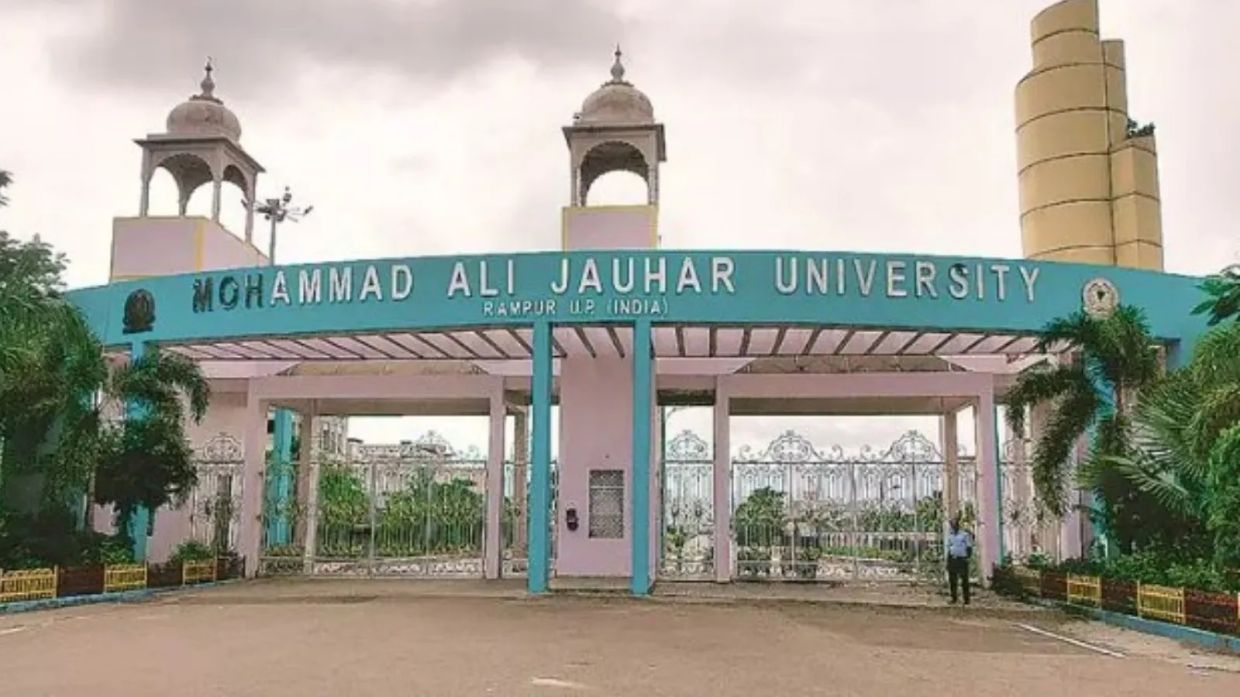
The Rampur Development Authority in India's northern state of Uttar Pradesh has issued a sweeping demolition order targeting 38 buildings across the Mohammad Ali Jauhar University campus, citing unauthorised construction as the legal grounds for the action. The directive, issued in mid-July, affects structures on the institution's sprawling 250-acre property and has ignited fresh controversy surrounding the university's leadership and its troubled relationship with state authorities.
Mohammad Ali Jauhar University, established in 2006, carries the name of a towering figure in India's independence struggle and has operated as a private educational institution for nearly two decades. The university's founding is closely tied to Azam Khan, a seasoned politician and former state minister whose career has spanned multiple administrations and shifting political fortunes across Uttar Pradesh. As a member of the Samajwadi Party, which governed the state for five years until 2017, Khan wielded considerable influence in regional politics before his party's decisive defeat at the hands of the Bharatiya Janata Party during the state elections.
The current demolition order arrives amid an extended period of legal troubles for Khan and his immediate family. Khan and his son Abdullah have both been imprisoned following a court conviction related to charges involving forged documents, a case that has attracted significant media attention and public debate. Additionally, Khan's wife Tazeen Fatima faced detention in connection with a separate birth certificate matter, though she has since secured bail pending further legal proceedings. These legal entanglements have cast a shadow over the institution and raised questions about the university's operational continuity and administrative stability.
The family has consistently maintained that the cascade of legal actions represents a politically motivated campaign rather than genuine enforcement of the law. This assertion reflects broader tensions within India's political landscape, where accusations of selective prosecution based on partisan considerations have become increasingly common. The construction violations cited in the demolition order, therefore, must be viewed within this contentious context of political rivalry and institutional conflict between the Samajwadi Party and the currently dominant BJP administration in Uttar Pradesh.
For Malaysian observers, this incident illuminates the precarious position of private educational institutions in South Asia when they become entangled with powerful political figures facing legal jeopardy. The university's predicament parallels concerns occasionally raised in Malaysia about the regulatory oversight of private educational establishments and the potential for institutional vulnerabilities when leadership faces serious legal challenges. The episode underscores the importance of institutional governance frameworks that can insulate educational operations from the personal legal troubles of founders and administrators.
The scale of the demolition order—affecting 95 percent of the specified buildings—suggests either systematic construction violations or an enforcement action of extraordinary scope. Neither scenario reflects positively on the institution's compliance record or administrative oversight. Universities across Southeast Asia, including those in Malaysia, operate under strict building codes and development regulations that mandate proper approvals for campus expansions and infrastructure projects. The apparent absence of such compliance at Mohammad Ali Jauhar University raises questions about the adequacy of internal governance processes and institutional accountability mechanisms.
The timing and breadth of the demolition directive also warrant scrutiny regarding procedural fairness and proportionality. Authorities typically offer opportunities for remediation before resorting to large-scale demolition, particularly at educational institutions where student welfare and academic continuity are at stake. The absence of detailed public reporting on whether such opportunities were extended or exhausted suggests potential gaps in the transparency of administrative action, a concern that extends beyond India to the broader region where institutional accountability remains contested terrain.
The wider ramifications for higher education in Uttar Pradesh are substantial. Private universities depend on investor confidence, student recruitment, and stable operational environments to function effectively. Demolition orders of this magnitude inevitably damage institutional credibility, discourage enrollment, and complicate fundraising efforts. Staff retention becomes problematic when institutional survival appears uncertain, and partnerships with other universities or international institutions typically become impossible until legal and regulatory matters are resolved satisfactorily.
Regionally, the incident highlights how political instability and partisan contestation can create substantial collateral damage to educational infrastructure and student opportunities. Malaysia's regulatory environment for private higher education has developed mechanisms—including the Malaysian Qualifications Agency and institutional quality frameworks—that aim to insulate educational provision from political fluctuations. The contrast with India's more volatile regulatory environment suggests the value of strong, independent institutional oversight divorced from partisan political considerations.
The resolution of this dispute will likely depend on whether authorities permit remediation of the alleged violations or proceed inexorably toward physical demolition. Either path carries implications for the institution's future viability and the educational continuity of its student body. For Malaysia's policymakers and regulators overseeing private education, the episode provides cautionary lessons about the risks of inadequate institutional independence and the dangers of allowing personal legal troubles of founders to destabilize entire educational operations that serve communities and depend on sustained regulatory stability.

