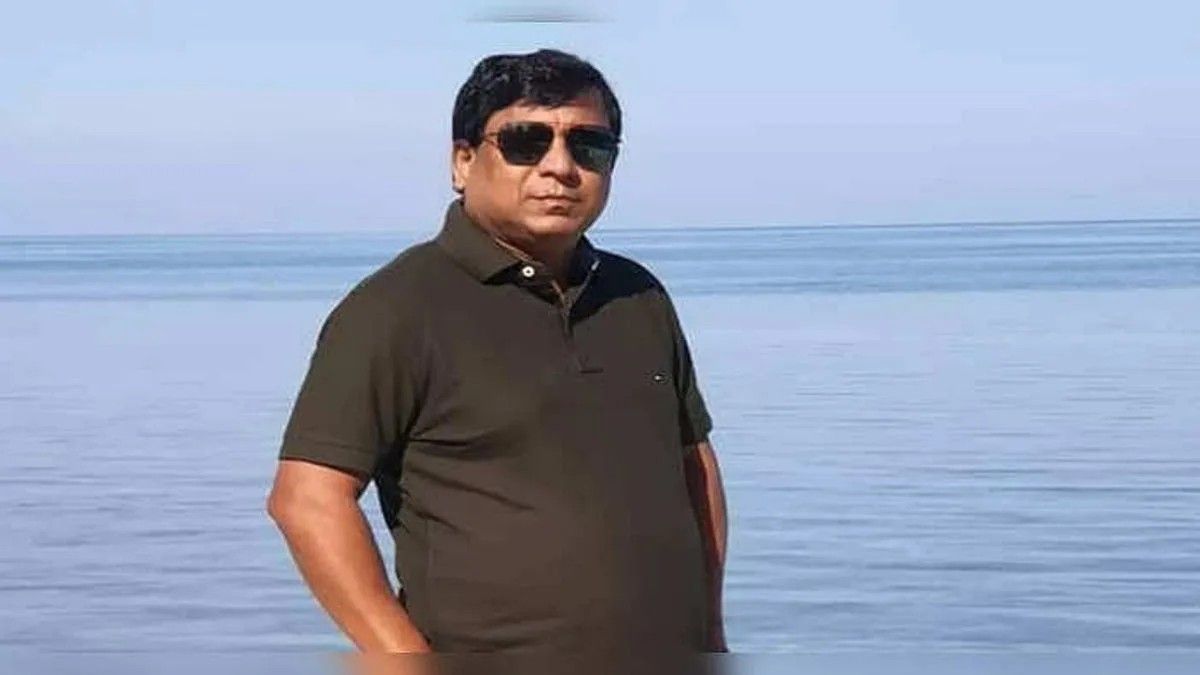
Birbhum Police in the Indian state of West Bengal have initiated a comprehensive search operation for Mohammad Nazibullah, known locally as Tulu Mondal, a businessman with alleged connections to the ruling Trinamool Congress party. The pursuit intensified following a series of coordinated raids on Mondal's sprawling network of luxury properties and commercial establishments across the region, undertaken just before state assembly election results were announced. Authorities believe Mondal absconded to foreign territory together with his wife, daughter, son-in-law, and a prominent local Trinamool Congress figure named Abdul Barik Biswas, signalling a coordinated departure that has drawn intense scrutiny from law enforcement agencies.
The investigation has revealed troubling connections to transnational smuggling operations spanning the India-Bangladesh border. Biswas, who travelled alongside Mondal, carries a checkered history with customs authorities dating back to a 2014 arrest related to precious metal trafficking. The Enforcement Directorate subsequently froze his assets estimated at Rs20 crore in May 2015, uncovering evidence that his gold-smuggling activities were financed through proceeds from cross-border cattle trafficking. These operations apparently operated under the umbrella of Enamul Haque, identified as the alleged mastermind of a sprawling transnational cattle-smuggling enterprise, who has faced separate action from both the Enforcement Directorate and the Central Bureau of Investigation.
The intensity of the law enforcement response became apparent during an overnight search conducted on Friday at Mondal's palatial residence in Suri, which consumed fifteen hours of sustained investigative work. The property itself exemplified the businessman's accumulated wealth, featuring amenities typically associated with high-end international resorts, including gymnasium facilities, spa treatments, swimming pools, and elaborate entertainment spaces. Officers conducted a systematic examination of the premises, ultimately dismissing domestic staff and removing Mondal's pet dog from the location. Police have since established permanent watch posts at all his known residences and business facilities to prevent the movement of assets or the destruction of evidence.
The raid operation, orchestrated by senior police officials including DSP Surajit Mondal, DSP Sourav Bhattacharya, and Suri Police Station Inspector-in-Charge Shailendra Upadhyay, uncovered immediate evidence of financial misconduct. Officers recovered Rs8 lakh in physical cash and 150 grams of gold jewellery during the initial search. Simultaneous operations targeted additional locations including Mondal's ancestral village property in Sonsthol, multiple fuel retail outlets bearing his name, and a commercial truck depot in Mohammad Bazar, creating a coordinated pressure campaign across his entire business portfolio.
The scale of Mondal's accumulated wealth has astonished even veteran investigators. State authorities report having frozen Rs93 crore distributed across multiple bank accounts, while confiscating 242 high-end vehicles parked at various residential locations. Two luxury automobiles were retrieved alone from the garage attached to his Subhaspally property. The investigation has expanded to target immovable assets, with proceedings initiated to attach twenty-one properties comprising seven residential houses, multiple agricultural estates, commercial parking facilities, two operational petrol stations, two industrial stone crushing operations, and approximately three hundred bighas of land holdings. This asset inventory suggests business interests extending far beyond conventional commercial activities.
Public attention on Mondal intensified dramatically earlier this year following the elaborate wedding celebrations of his daughter, Salma, an event whose extravagance generated widespread commentary across West Bengal. The festivities reportedly consumed Rs150 crore, creating a spectacle that attracted entertainment industry luminaries from both Mumbai and Kolkata film industries, along with prominent musical performers and political dignitaries. The celebration featured a venue constructed to replicate the architectural design of the Taj Lake Palace in Udaipur, requiring the engagement of international décor specialists. The bridegroom's ceremonial entrance incorporated a chariot conveyance accompanied by privately contracted security personnel costumed to resemble ancient Greek warriors. The two-day event proved so massive that municipal authorities closed major thoroughfares in Mohammad Bazar to general traffic, restricting access exclusively to invited attendees displaying specially issued identification credentials.
Investigative authorities believe Mondal currently operates his Birbhum commercial interests remotely from Dubai, where he fled with immediate family members. Recent intelligence suggests continued efforts to conceal documentary evidence of his business operations, with police intercepting a vehicle transporting sealed containers of documents from a farmland location. The driver subsequently revealed that Mondal's administrative manager had instructed him to secure papers containing transportation authorizations and billing records related to sand and stone quarrying activities. This apparent attempt to obstruct justice has reinforced investigator suspicions regarding the true nature and scale of Mondal's commercial enterprises.
The investigation has extended to family associates, with Mondal's brother-in-law, Minar Mondal, arrested during searches at his residence in Deucha village. The operation at this location yielded extraordinary quantities of currency and precious metals exceeding Rs50 crore in combined value, compelling judicial authorities to remand the relative into police custody for eight days of intensive questioning. During interrogation, Minar Mondal reportedly acknowledged that the recovered wealth belonged to his brother-in-law and had been accumulated through diverse syndicate-based commercial operations, offering investigators a pathway into understanding the organizational structure supporting Mondal's financial accumulation.
The recovered precious metals reveal international dimensions to Mondal's operations that complicate the investigation profile. Authorities seized fifteen kilogrammes of twenty-four-carat gold bars and refined gold biscuits manufactured in Switzerland and Dubai during recent search operations, indicating supply chains extending beyond India and Bangladesh into global markets. This discovery suggests Mondal's involvement in sophisticated international smuggling networks rather than simple border-level trafficking, requiring coordination with overseas refining facilities and international transport mechanisms. The complexity of these operations demonstrates the institutional capacity underlying what initially appeared to be localized corruption.
For Malaysian observers, this case illuminates broader patterns of transnational smuggling affecting Southeast Asia and South Asia. The cattle-smuggling dimension maintains particular relevance given Malaysia's significant livestock trading relationships with Indian states, while the gold-smuggling elements parallel illicit precious metal movements through Southeast Asian ports. The apparent ease with which Mondal allegedly relocated to Dubai while maintaining operational control underscores vulnerabilities in regional financial transparency and cross-border enforcement cooperation. The case demonstrates how political protection can enable the development of sophisticated criminal enterprises exploiting regulatory gaps across multiple countries, a phenomenon extending beyond the India-specific context to challenge the stability of regional trade systems more broadly.

