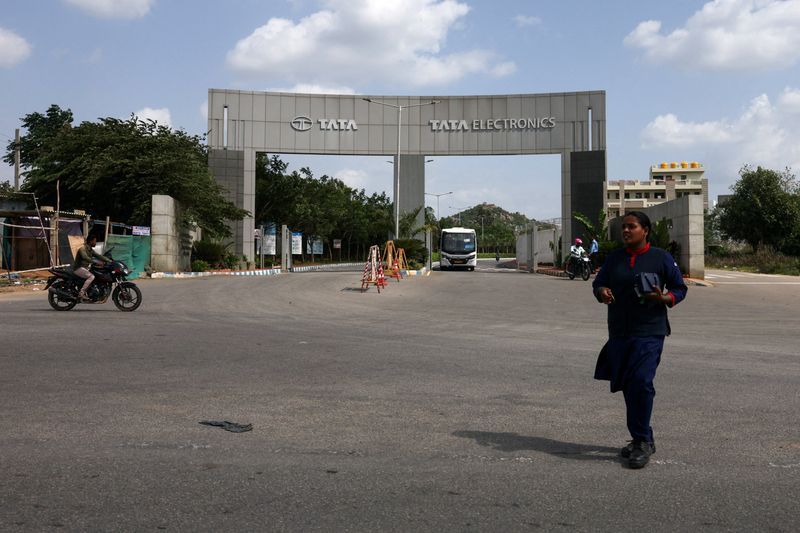
India's government has launched an official investigation into a significant data breach at Tata Electronics, one of Apple's critical manufacturing partners in the region, following the exposure of confidential documents related to the forthcoming iPhone 18 Pro. The disclosure marks the first time Indian authorities have publicly acknowledged the security incident, signalling the seriousness with which New Delhi views threats to the nation's electronics manufacturing ecosystem. S. Krishnan, secretary at the Ministry of Electronics and Information Technology, confirmed on Thursday that his department is examining the breach, which has already been escalated to India's Computer Emergency Response Team, the government agency with primary responsibility for addressing cybersecurity threats affecting the country.
The compromised data represents a substantial intelligence windfall for competitors and malicious actors. Among the files stolen and subsequently posted on dark web forums by an unnamed ransomware group are detailed component lists identifying which specific suppliers are manufacturing critical parts for Apple's upcoming flagship devices. The leaked materials also include photographs of iPhone 18 Pro models in various stages of assembly or testing. This granular supply chain information is precisely the kind of commercially sensitive data that Apple guards jealously, as it reveals not only the company's vendor relationships but also the technical specifications and manufacturing timelines for products that have not yet been announced to the public.
Apple's global manufacturing strategy depends on a delicately balanced network of suppliers scattered across multiple continents, each contributing specialised components to the assembly process. The iPhone maker deliberately avoids publishing the complete roster of secondary and tertiary suppliers involved in component production, preferring to disclose only primary assembly partners. The Tata Electronics breach has shattered this veil of secrecy by exposing at least six documents that detail the hidden vendor ecosystem supporting iPhone 18 Pro manufacturing. This breach threatens to disrupt Apple's carefully orchestrated supply chain diplomacy and could provide valuable intelligence to rival smartphone manufacturers seeking to understand the technical architecture of upcoming models.
The timing of the breach is particularly sensitive given Apple's development cycle. The company is preparing to unveil the iPhone 18 Pro and Pro Max models in September, meaning the leaked information remains immediately relevant to current production schedules. Any disclosure of component suppliers, production capacity constraints, or manufacturing timelines could influence market dynamics ahead of the official launch. Competitors might use such intelligence to adjust their own product roadmaps or sourcing strategies, while supply chain observers could begin speculating about Apple's component costs and profit margins based on the exposed supplier relationships.
The incident has highlighted Tata Electronics' vulnerability to sophisticated cyberattacks despite its status as a trusted partner for one of the world's most valuable technology companies. In response to the breach, Tata has engaged an international forensic consulting firm to conduct a comprehensive security audit of its systems. This investigation aims to determine how the ransomware group penetrated the company's defences, what data was accessed, and what security gaps enabled the exfiltration of such voluminous sensitive files. The forensic examination is particularly urgent given that the same ransomware operation has also stolen and published confidential documents from multiple other technology sector firms, including Tesla, Qualcomm, and TSMC, suggesting a pattern of systematic targeting of high-value electronics companies.
For India's burgeoning electronics manufacturing sector, the Tata breach carries troubling implications. The country has been aggressively courting global technology firms to establish production facilities within Indian territory, positioning itself as an alternative manufacturing hub to China and Southeast Asia. Apple itself has significantly expanded its presence in India in recent years, with Tata Electronics serving as a crucial partner in this expansion strategy. A high-profile security incident at a major Apple supplier could deter other multinational technology companies from locating sensitive manufacturing operations in India, or could prompt them to implement more stringent cybersecurity requirements that increase compliance costs.
The breach also underscores the cybersecurity challenges facing India's information technology infrastructure as the nation becomes increasingly integrated into global supply chains for advanced electronics. As Indian companies take on greater responsibility for manufacturing cutting-edge technology products, they simultaneously become higher-value targets for ransomware gangs, state-sponsored hackers, and industrial spies. The government's formal investigation and involvement of the Computer Emergency Response Team signals recognition that such incidents are no longer merely private corporate matters but issues of national economic and strategic importance.
From a regional perspective, the incident demonstrates how supply chain vulnerabilities in one country can have ripple effects across Asia. India's emergence as an electronics manufacturing destination has implications for Malaysia, Vietnam, Thailand, and other Southeast Asian nations that compete for similar investment. If Tata's security lapses result in Apple or other companies reconsidering their Indian operations, those manufacturers may look to strengthen existing relationships in Southeast Asia or establish new facilities in alternative locations. Conversely, if India successfully addresses the security challenge and implements robust protections, it could reinforce the country's competitive advantage in attracting premium manufacturing operations.
The Tata incident also raises questions about the adequacy of contractual security obligations imposed on suppliers by major technology companies. Apple maintains extremely detailed specifications for quality control, environmental compliance, and labour standards at its suppliers, yet the breach suggests that cybersecurity standards may not have been implemented with equivalent rigour. Future agreements between technology firms and their suppliers will likely incorporate more stringent data protection requirements, regular security audits, and incident response protocols. These enhanced standards could increase operational costs for suppliers like Tata, potentially affecting pricing and competitiveness in the global manufacturing market.

