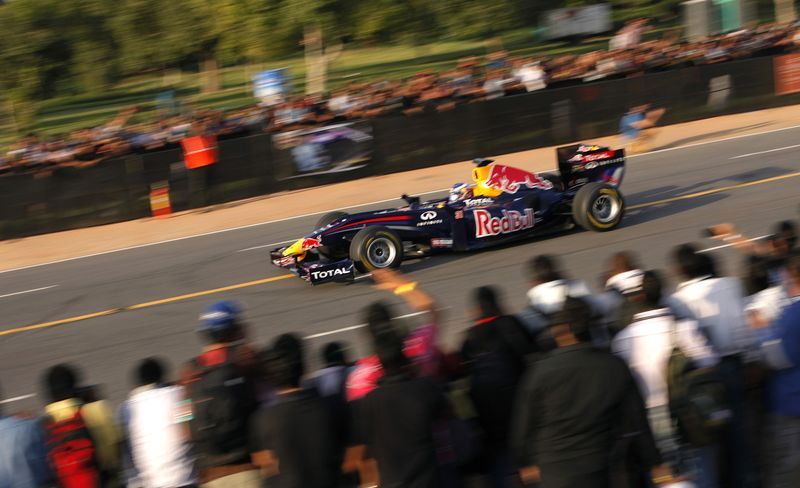
New Delhi is plotting a comeback for Formula One after more than fifteen years away from Indian racing. The government has initiated formal efforts to clear the path for the sport's return to the Buddh International Circuit on the capital's outskirts, with 2028 targeted as the launch year for a revived Indian Grand Prix. The ambitious timeline follows recent consultations between Sports Minister Mansukh Mandaviya and key stakeholders, signalling serious political commitment to reigniting what was once a flagship motorsport event for the nation.
India's first encounter with Formula One proved turbulent and brief. The Indian GP made its debut in 2011 as a prestigious addition to the global calendar, but the event succumbed to internal strife within three years. After just three runnings, the race was discontinued in 2013 following disputes over taxation frameworks and regulatory compliance that proved insurmountable at the time. The cancellation left the sport nursing wounds and deterred fresh attempts to resurrect international motorsport ambitions in the country for the better part of a decade.
The renewed push reflects a different approach rooted in institutional coordination. Rather than hoping problems would self-correct, the Indian government is building bureaucratic infrastructure specifically designed to unblock gridlock. Mansukh Mandaviya has commissioned a dedicated task force charged with systematically addressing the thorniest obstacles that previously strangled the event. The panel's mandate extends beyond Formula One alone; it aims to examine the broader ecosystem of motorsport development in India, positioning the grand prix as part of a larger strategic vision for racing infrastructure and investment.
Taxation emerges as the primary headache requiring resolution. The task force has been explicitly instructed to prioritize fiscal policy complications that halted negotiations a decade ago. Ministry sources indicate the panel will also tackle regulatory misalignments, infrastructure gaps, and institutional arrangements needed to support world-championship-level racing. Critically, India's tax authorities themselves have been embedded within the task force structure, a practical step designed to ensure those with fiscal jurisdiction are directly involved in crafting workable solutions rather than later blocking proposals.
The role of the Adani Group adds significant momentum to efforts. The conglomerate is in the process of acquiring the entity that previously operated the Buddh circuit, positioning itself as the likely commercial driver behind any revival. Karan Adani, managing director of Adani Ports & Special Economic Zone Ltd, has publicly declared himself personally invested in restoring Formula One to India, suggesting high-level corporate backing that previous revival attempts may have lacked. This ownership structure potentially removes one layer of complexity, providing a single powerful stakeholder with the financial capacity and strategic incentive to navigate bureaucratic processes.
Formula One's own appetite for return has been cautiously expressed. Chief executive Stefano Domenicali acknowledged the sport's genuine interest in re-entering the Indian market, recognizing the nation's motorsport potential and the size of its sports-consuming public. Yet Domenicali's recent remarks to broadcaster FanCode tempered expectations by emphasizing that substantial groundwork remains. He stressed that Formula One requires reassurance on multiple fronts: the identity and capability of race promoters, the robustness of collaborative partnerships with government and private entities, and realistic timelines that allow proper preparation rather than rushed execution.
The task force structure itself signals lessons learned from the 2011-2013 experience. Establishing inter-ministerial coordination through India's apex policy think tank addresses a chronic weakness in earlier efforts: the absence of unified government machinery to smooth implementation. When multiple agencies operate independently, each can veto initiatives within their domain without incentive to find compromise. By centralizing coordination, the new framework theoretically enables trade-offs where one ministry makes concessions to advance shared national objectives. This institutional innovation may prove as important as any specific policy change.
For Malaysia and Southeast Asia, India's renewed motorsport ambitions carry regional implications. A functioning Indian Formula One event would anchor South Asian participation in global motor racing, potentially inspiring similar investments in neighbouring countries. It would also create supply-chain opportunities for Malaysian motorsport suppliers and technical services providers seeking to service a major grand prix operation. Additionally, the successful resolution of India's tax and regulatory challenges could provide a template for other Southeast Asian nations contemplating similar international sporting events that have historically foundered on fiscal and administrative obstacles.
The 2028 timeline permits sufficient runway for systemic reforms without suggesting unrealistic haste. This differs markedly from previous attempts that collapsed under pressure to deliver results within insufficient preparation periods. The task force's emphasis on examining motorsport ecosystem challenges holistically rather than treating Formula One as an isolated event also reflects matured thinking about sustainability. A grand prix without supporting domestic racing infrastructure, talent development pathways, and fan engagement tends toward one-off spectacle rather than catalytic investment in the sport.
Success remains uncertain but far from assured. The obstacles that derailed the 2011-2013 initiative are not merely technical matters susceptible to bureaucratic engineering; they reflect deeper tensions between India's regulatory culture and the requirements of international sporting operations. Yet the government's visible commitment, corporate backing from a major industrial group, and Formula One's expression of interest collectively create more favourable conditions than existed when the event was shelved. Whether these factors prove sufficient to navigate the remaining complexities will become clearer as the task force's work progresses through coming months.

