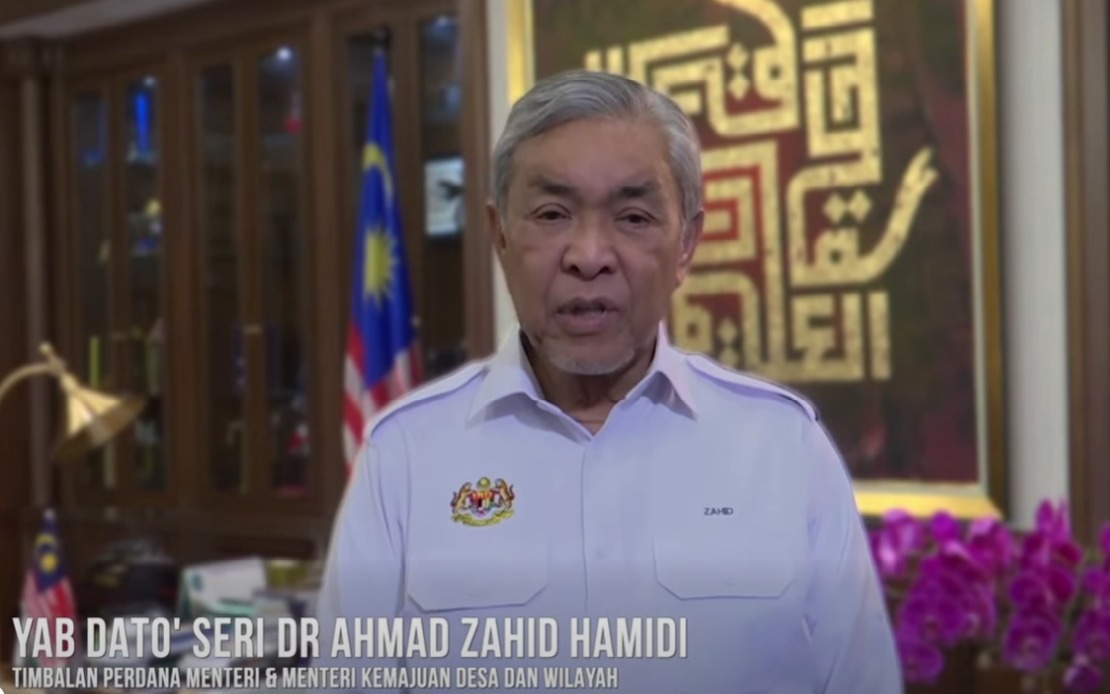
Malaysia's independence holds little meaning unless the prosperity and opportunities it brings reach ordinary citizens, Deputy Prime Minister Datuk Seri Dr Ahmad Zahid Hamidi asserted as the nation marked its 69th National Day. Speaking in a video message released on social media, Ahmad Zahid reframed the concept of independence not as a historical milestone or past achievement, but as an ongoing commitment to ensuring every Malaysian benefits from the nation's progress and development.
The significance of independence, according to Ahmad Zahid, must manifest tangibly in people's daily lives through concrete improvements in their circumstances and prospects. This vision extends beyond symbolic gestures to encompass practical measures that uplift living standards across different segments of society. He emphasised that the government's role today centres not on reclaiming sovereignty—a battle already won—but on translating that hard-won freedom into real economic and social advancement for ordinary Malaysians.
A cornerstone of this redefined independence, Ahmad Zahid argued, lies in equipping young people with technical and vocational education and training (TVET) skills. By investing in such training, Malaysia can position its youth workforce to compete for well-paying jobs that offer genuine career prospects rather than dead-end employment. This skills-focused approach addresses a critical gap in Malaysia's human capital development and recognises that contemporary independence demands preparing citizens for modern labour markets where technical competence increasingly determines earning potential and social mobility.
Beyond individual employment prospects, Ahmad Zahid's vision encompasses broader entrepreneurial opportunities. He called for an environment where small business owners and emerging entrepreneurs can scale their operations and contribute meaningfully to economic growth. This inclusive approach to economic participation ensures that independence benefits not just large corporations or urban elites, but also small traders, farmers, and family-run enterprises that form the backbone of many Malaysian communities, particularly outside major urban centres.
In his capacity as Rural and Regional Development Minister, Ahmad Zahid underscored a critical dimension often overlooked in national development discussions: the necessity of extending progress beyond city limits. He articulated a vision where roads, electricity, schools, and infrastructure penetrate villages and remote areas with the same quality and reliability available to urban populations. This geographic equity represents a foundational principle of true national development—that greatness is measured not by the height of skyscrapers in the capital, but by whether rural families have basic services and opportunities comparable to their urban counterparts.
Ahmad Zahid illustrated his point through concrete examples of transformative change. A single road can reorient a village's economic prospects by connecting isolated communities to markets and services. Electricity in remote homes symbolises hope and access to information, education, and economic participation. A classroom in a rural area becomes a vessel for ambition, potentially nurturing future leaders and innovators. These illustrations ground independence in tangible infrastructure and services rather than abstract political concepts.
The halal industry emerged as another pillar of Ahmad Zahid's independence framework. Beyond religious significance, the halal sector represents a distinctly Malaysian competitive advantage in global markets, opening export opportunities and livelihoods for millions of Malaysians. By positioning Malaysia as a halal hub, the nation transforms religious values into economic strength and international market presence, creating employment and entrepreneurial ventures that benefit ordinary citizens.
Meanwhile, Deputy Prime Minister Datuk Seri Fadillah Yusof offered a complementary perspective emphasising spiritual and social dimensions of independence. He urged Malaysians to liberate themselves from internal divisions—sectarian tensions, ethnic prejudices, religious extremism, and ideological rigidity—that undermine national cohesion regardless of external threats. In Fadillah's formulation, political independence remains incomplete unless accompanied by psychological and social liberation from attitudes that fragment society.
Fadillah stressed that Malaysia's multi-ethnic, multi-religious composition demands conscious commitment to principles outlined in the Federal Constitution and Rukun Negara. He acknowledged cultural, linguistic, and religious diversity as inherent features rather than problems requiring suppression, positioning national unity as a deliberate choice to prioritise shared citizenship and common destiny over sectarian loyalties. This framing proves particularly relevant in contemporary Malaysia, where social media amplifies divisive rhetoric and identity politics threaten social fabric despite official multiculturalism.
The Malaysia MADANI framework, adopted as this year's National Day theme, synthesises both ministers' perspectives. "Well-being for All" reorients national development around inclusive prosperity rather than aggregate growth statistics. MADANI principles demand that economic advancement translates into improved living standards, health, education, and dignity for all social strata, not merely elite enrichment or impressive macroeconomic figures that mask persistent inequality.
For Malaysian readers, particularly those in rural areas or struggling with employment precarity, these statements signal potential policy directions prioritising vocational training, rural infrastructure, and inclusive economic participation. The emphasis on preventing social fragmentation addresses rising communal tensions that occasionally flare into violence and discrimination. The reframing of independence as an ongoing project rather than historical accomplishment subtly challenges complacency and demands active citizenship.
Regionally, Malaysia's focus on inclusive development and halal industry leadership positions the nation as balancing modernisation with cultural and religious values—a model potentially instructive for other Southeast Asian nations navigating similar tensions between globalisation and identity preservation. The articulated commitment to geographic equity in development also resonates with development challenges throughout the region, where urban-rural disparities fuel migration, inequality, and social instability.

