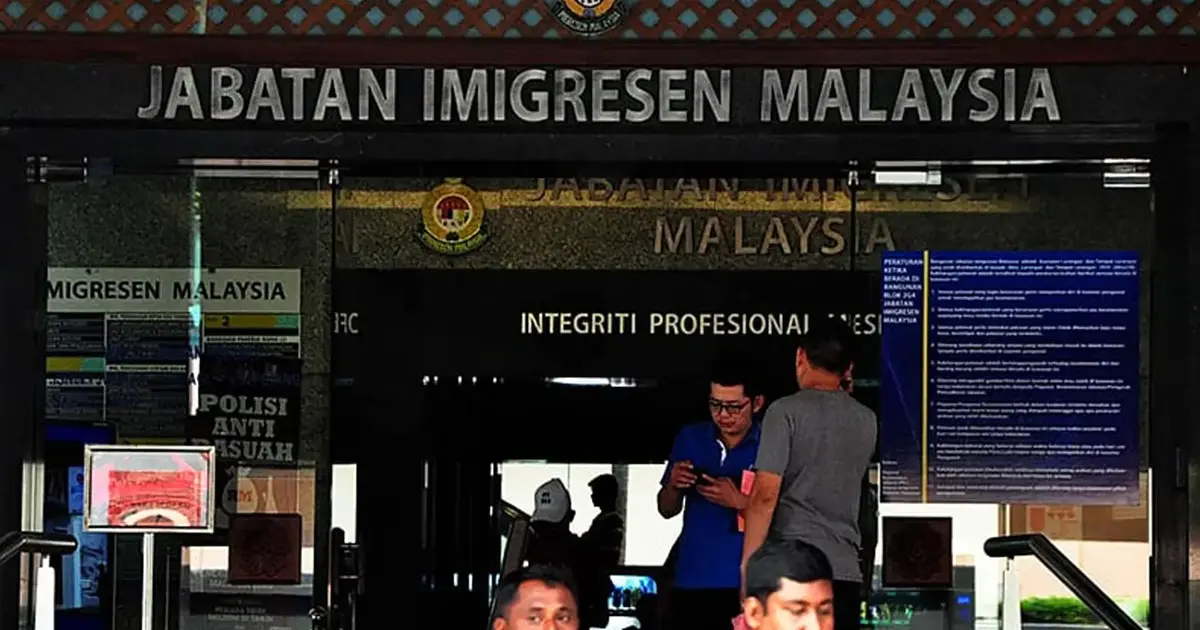
Malaysia's Director-General of Immigration has asserted that the identity of officials involved in a significant breach of the MyIMMs system was established from the initial stages of the investigation, marking a development in a case that has raised serious concerns about security vulnerabilities within the country's immigration infrastructure. The disclosure comes as law enforcement moves to detain eleven immigration officers suspected of orchestrating a coordinated conspiracy to infiltrate the digital platform and circumvent established protocols governing the processing of permanent resident applications.
The alleged scheme centred on enabling unauthorised applications and improper approvals of PLKS—permanent residence status under Malaysia's immigration framework—through systematic manipulation of the MyIMMs portal. The involvement of immigration personnel in such activities represents a particularly troubling breach of public trust, as these individuals occupied positions of responsibility within the very system they are accused of compromising. The conspiracy reportedly exploited the access and technical knowledge that these officers possessed through their official roles, transforming institutional privilege into a mechanism for circumventing regulatory safeguards.
The rapid identification of suspects suggests that investigators conducted a methodical examination of system logs and transaction records that revealed patterns inconsistent with legitimate administrative activity. Digital forensics applied to the MyIMMs infrastructure likely traced unauthorised access attempts and irregular approval workflows back to specific user accounts and devices associated with the arrested individuals. This technical capability underscores the growing sophistication of investigative techniques available to Malaysian authorities when confronting cybersecurity breaches within government systems.
For Malaysian citizens and foreign nationals navigating the immigration process, the breach represents a significant vulnerability in a system upon which they depend for critical documentation and status verification. The unauthorised processing of permanent resident applications suggests that legitimate applicants may find their cases delayed or compromised, as system resources were diverted to facilitate fraudulent submissions. The integrity of immigration records—essential for issues ranging from property ownership to employment eligibility—comes into question when the custodian system itself has been compromised.
The MyIMMs platform serves as the central repository for immigration data across Malaysia and handles millions of transactions annually involving visa applications, employment passes, and resident status determinations. A breach of this magnitude inevitably raises questions about the adequacy of cybersecurity protocols, access controls, and internal audit mechanisms designed to detect anomalous activity. The fact that the scheme required the participation of multiple officers suggests either insufficient segregation of duties or inadequate monitoring systems that should have flagged unusual patterns of system usage and approvals.
From a regional perspective, this incident reflects challenges confronted by Southeast Asian governments as they digitise immigration operations while simultaneously managing the insider-threat dimension of cybersecurity. Countries including Thailand, Indonesia, and the Philippines have experienced similar breaches involving corrupt officials exploiting their access to facilitate irregular documentation. The Malaysian case illustrates that technological advancement in government systems must be accompanied by proportional investment in security infrastructure, personnel vetting, and continuous monitoring mechanisms.
The eleven officers now facing scrutiny represent a cross-section of the immigration service, though details regarding their respective roles and seniority levels remain limited. Their collective action suggests either a pre-established network of complicity or a gradual expansion of awareness regarding the vulnerability that each successive participant discovered or exploited. Understanding the recruitment mechanism and incentive structure that drew multiple individuals into the conspiracy will likely prove crucial to determining whether the incident reflects isolated corruption or a more systemic problem within particular divisions or geographic regions of the immigration department.
The financial implications of the scheme remain unclear, though authorities may investigate whether individuals or external actors paid bribes or fees to facilitate the irregular processing of applications. Immigration fraud of this nature typically involves both internal beneficiaries seeking to expedite their family members' residency and external actors—immigration consultants, employers, or smuggling networks—seeking to place individuals into Malaysia through fraudulent channels. The financial trail, if one exists, may reveal the true scope and commercialisation of the conspiracy.
The MyIMMs breach also carries implications for Malaysia's broader digital governance agenda and public confidence in online government services. As the nation advances its Digital Malaysia initiative and moves additional services into digital-first environments, assurances regarding the security and integrity of these platforms become paramount. A high-profile breach within immigration—among the most security-sensitive government functions—may generate reluctance among some Malaysian citizens to engage with digital service channels, potentially undermining efficiency gains achieved through digitisation.
Looking forward, authorities will likely implement enhanced access controls, multi-factor authentication requirements, and real-time monitoring systems to prevent similar incidents. The investigation may also prompt a comprehensive security audit of other government digital platforms to identify comparable vulnerabilities. Personnel-level reforms, including more rigorous background vetting for immigration staff and mandatory training regarding cybersecurity protocols, will probably follow as the immigration department seeks to rebuild institutional credibility.
The eleven arrested officers face serious allegations that could result in lengthy prison sentences under Malaysia's Computer Crimes Act and other relevant legislation. Their prosecution will send a signal regarding the government's commitment to protecting critical digital infrastructure and maintaining the integrity of immigration processes. However, the case also underscores the persistent challenge of preventing insider threats—individuals who possess legitimate access to sensitive systems and can exploit that access in ways that external hackers cannot replicate.

