The Immigration Department of Malaysia (JIM) has announced a three-day public outreach initiative bringing passport renewal services directly to residents at IOI City Mall in Putrajaya, running from July 16 to 18. Operating extended hours from 10 am to 10 pm each day, the programme forms part of the department's Customer Meeting Day initiative for 2026 and coincides with celebrations marking the 104th anniversary of Malaysia's immigration services. This approach reflects a broader government strategy to enhance citizen access to essential administrative services beyond traditional office locations.
While passport renewals constitute the primary draw, the activation will encompass a comprehensive range of immigration-related assistance. Visitors seeking guidance on travel documentation can access advisory services covering visas, passes, permits, and foreign worker sponsorship matters. The department will also provide briefings on MyNIISE, the National Integrated Immigration System application that has become central to Malaysia's digitalised immigration processes. Additionally, those with pending queries regarding travel status or concerning suspect list checks can obtain clarification during the three-day window, eliminating the need for formal office visits for routine inquiries.
For Malaysian professionals and businesses engaged with expatriate management, the programme presents an opportunity to address compliance and administrative questions directly with departmental representatives. The foreign worker component of available services reflects Malaysia's significant reliance on migrant labour across construction, manufacturing, hospitality, and domestic work sectors. As regional competition for skilled workers intensifies and regulatory frameworks tighten, accessible information about proper documentation and permit procedures becomes increasingly valuable for employers seeking to maintain compliance.
Beyond transactional services, JIM has designed the activation to communicate its evolving role and modernisation efforts. Exhibitions showcasing the new Malaysian International Passport design, immigration enforcement operations, and departmental uniform history will provide context for the agency's public-facing work. Perhaps more significantly, presentations on the National Integrated Immigration System represent an effort to familiarise citizens with the digital tools that will streamline future interactions with the department. As Malaysia pursues digital governance objectives, public understanding of and comfort with such systems remains a necessary foundation.
Careers information will also feature prominently, with JIM using the platform to attract eligible Malaysian citizens into immigration positions. This recruitment angle suggests the department may be addressing staffing needs as operational demands expand. Given Malaysia's growing tourism sector, increasing international business linkages, and evolving security requirements, the immigration service faces mounting pressure to process applications efficiently while maintaining rigorous standards. Visible career promotion at public events helps build the talent pipeline necessary for sustained departmental performance.
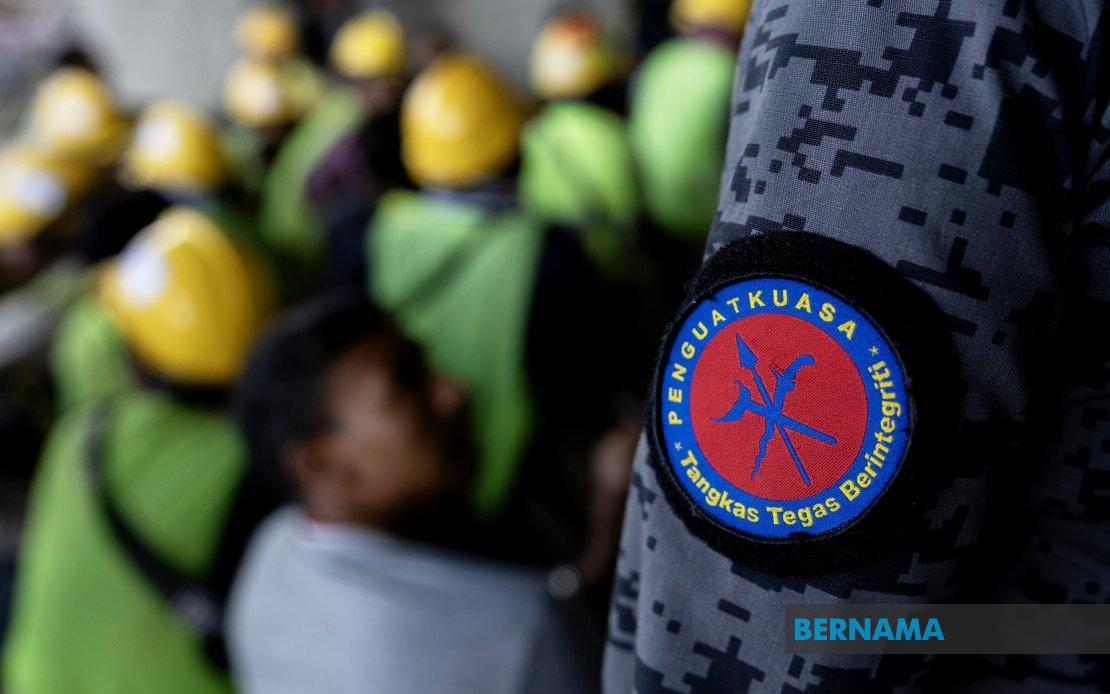
The programme incorporates experiential and entertainment elements designed to enhance public engagement beyond administrative transactions. Meeting opportunities with JIM mascots Wira and Srikandi target younger visitors and families, while interactions with members of the Special Tactical Team provide insight into the operational side of immigration work. These components reflect contemporary event management strategy, transforming what could be a purely functional service delivery into a broader communication exercise about institutional capability and public purpose.
Registered participants will receive complimentary souvenirs, subject to availability, creating an incentive for advance engagement and helping organisers gauge expected attendance levels. This modest incentive structure reflects typical Malaysian government public outreach practice, balancing budget consciousness with recognition that small tokens of appreciation encourage participation from audiences who might otherwise defer administrative tasks.
From a regional perspective, Malaysia's approach mirrors patterns emerging across Southeast Asia, where governments increasingly recognise that centralised bureaucratic offices present friction points discouraging citizen engagement with essential services. By embedding immigration functions within commercial spaces that residents already frequent, the department reduces barriers to access and demonstrates responsiveness to public convenience. This model has proven effective in other jurisdictions and suggests JIM may consider further similar activations in other shopping districts or public gathering spaces.
The timing around the 104th Immigration Day celebration provides institutional context often overlooked by the public. This milestone represents more than a century of continuous immigration administration in Malaysia, spanning transformation from colonial administration through independence and into the modern era. Commemorative events offer opportunities for departmental reflection on evolving mandates and achievements, particularly relevant as immigration services globally face unprecedented pressures from transnational movement, climate migration, and security considerations.
For Malaysian citizens whose passports require renewal, the three-day activation eliminates travel to central Putrajaya office facilities, particularly valuable for those in the Selangor region where IOI City Mall provides convenient access. The extended operating hours—spanning morning through late evening—accommodate employed individuals and those juggling multiple responsibilities who struggle to visit government offices during standard working hours. This scheduling recognition acknowledges contemporary Malaysian lifestyle realities, where rigid office hours increasingly conflict with actual citizen availability.
The integration of travel documentation services with broader immigration advisory functions reflects recognition that passport renewal typically accompanies other administrative needs. Citizens planning international travel often require visa information or clarification on travel restrictions, making bundled service provision more efficient than isolated transactions. By consolidating these functions, JIM reduces overall administrative burden on the public while improving departmental resource utilisation.
Looking forward, the success or failure of this activation will likely influence future public outreach strategies for immigration and potentially other government services. Should participation exceed expectations and feedback prove positive, JIM may expand similar programmes to other Malaysian cities, particularly in Klang Valley, Penang, Johor Bahru, and Sabah. Such expansion would represent meaningful progress toward the government's stated commitment to bringing services closer to citizens, though success will depend on sustained resourcing and institutional commitment beyond single-event activations.
The programme ultimately demonstrates that Malaysian government agencies continue exploring innovative service delivery mechanisms beyond traditional bureaucratic models. Whether complemented by improved digital access through MyNIISE or sustained by follow-up temporary centres, these initiatives signal recognition that administrative convenience directly influences citizen compliance and satisfaction. For Malaysian residents managing passport renewals or immigration-related queries before July 19, the IOI City Mall activation presents a rare opportunity to access multiple services simultaneously during extended hours within an accessible commercial location.

