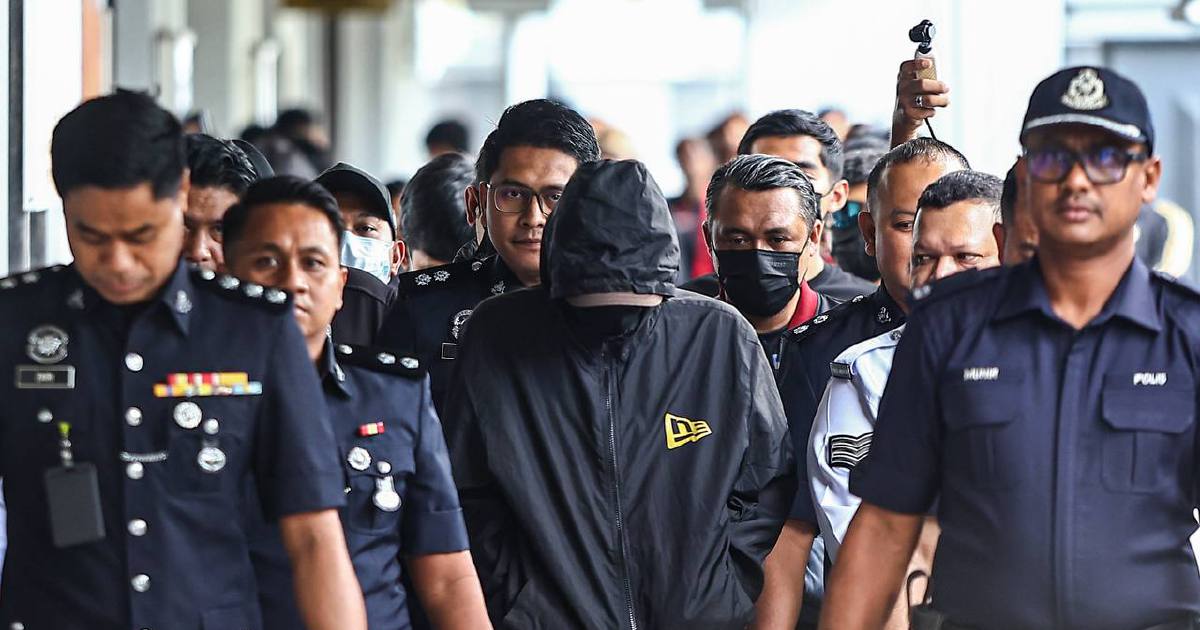
A driver employed by Malaysia's Immigration Department appeared in magistrates' court in Kuala Lumpur to face charges stemming from a fatal traffic accident that claimed three lives from a single family. The incident, which occurred at the Maju Junction intersection, has prompted serious questions about road safety involving heavy vehicles operated by government agencies and the circumstances that led to the tragic collision.
The driver was presented with five separate charges, with three of them specifically addressing the deaths resulting from the crash. The most serious allegations involve causing death through reckless or negligent operation of the lorry, which represents one of the most severe traffic-related charges under Malaysian law. The remaining charges relate to additional aspects of the incident that prosecutors deemed sufficiently serious to warrant separate legal action.
The Maju Junction intersection, located in the heart of Kuala Lumpur's bustling traffic corridor, has long been a critical thoroughfare handling substantial daily traffic volumes. The collision occurring at this particular location raises concerns about whether adequate safety measures, traffic management systems, or driver protocols were in place at the time of the incident. The intersection's complexity and the volume of vehicles passing through it daily make it a high-risk area where a moment of inattention or mechanical failure can have catastrophic consequences.
Traffic accidents involving commercial or government-operated heavy vehicles tend to attract heightened scrutiny from authorities and the public alike. The involvement of an Immigration Department lorry adds an institutional dimension to what would ordinarily be a tragic motor accident. It prompts examination of whether proper vehicle maintenance schedules are followed, whether drivers receive adequate safety training, and whether fatigue management protocols are enforced for operators of such vehicles. These questions become particularly relevant when government agencies are responsible for managing transportation assets.
The concept of causing death through reckless or dangerous driving represents a significant legal threshold. Malaysian traffic law distinguishes between simple negligence and reckless behaviour, with the latter implying a deliberate disregard for safety or a flagrant violation of traffic regulations. Prosecutors' decision to pursue charges under this framework suggests they believe the driving behaviour in question went beyond mere carelessness and constituted a serious breach of the duty of care owed to other road users.
Fatalities involving entire families are particularly devastating for multiple reasons. Beyond the immediate tragedy of lost lives, such incidents devastate extended family networks, create ripple effects through communities, and often become focal points for discussions about transportation safety and regulatory enforcement. The loss of three family members in a single moment represents not merely individual tragedies but the obliteration of family units and the social relationships that bind communities together.
The prosecution's decision to pursue multiple charges rather than consolidating them into a single charge reflects the seriousness with which Malaysian courts treat such matters. Each death is treated as a separate offence, which has implications for potential sentencing outcomes. This approach ensures that accountability is clearly established for each victim and demonstrates the gravity with which the legal system regards loss of life attributable to traffic violations.
Road safety remains a persistent challenge across Malaysia and throughout Southeast Asia, where traffic accident statistics consistently rank among the highest globally in terms of fatalities per vehicle kilometre. Heavy vehicles operating in urban environments present particular hazards due to their size, weight, and braking characteristics. Commercial and government drivers must maintain heightened awareness and adherence to traffic regulations, yet enforcement of safety standards among some categories of operators remains inconsistent.
The court process that unfolds will likely shed light on critical details surrounding the accident, including vehicle maintenance records, driver qualification certificates, evidence of speed, road and weather conditions, witness accounts, and mechanical inspection findings. Such technical details, while procedurally important, may also inform policy discussions about whether existing regulations governing government vehicle operations require strengthening or whether enforcement mechanisms need enhancement.
This incident serves as a sobering reminder of the consequences of traffic violations and the importance of consistent adherence to safety protocols by all drivers, particularly those operating heavy vehicles in congested urban areas. The families affected by such tragedies experience losses that extend far beyond legal proceedings, while society bears the broader costs of preventable accidents that claim multiple lives simultaneously.
The course of the legal proceedings will be closely monitored not only by the affected family members but also by traffic safety advocates, insurance industry observers, and regulatory bodies tasked with road safety oversight. The outcome may influence discussions about licensing standards for heavy vehicle operators, mandatory refresher training requirements, and whether penalties for traffic violations adequately reflect the potential consequences of reckless driving behaviour.

