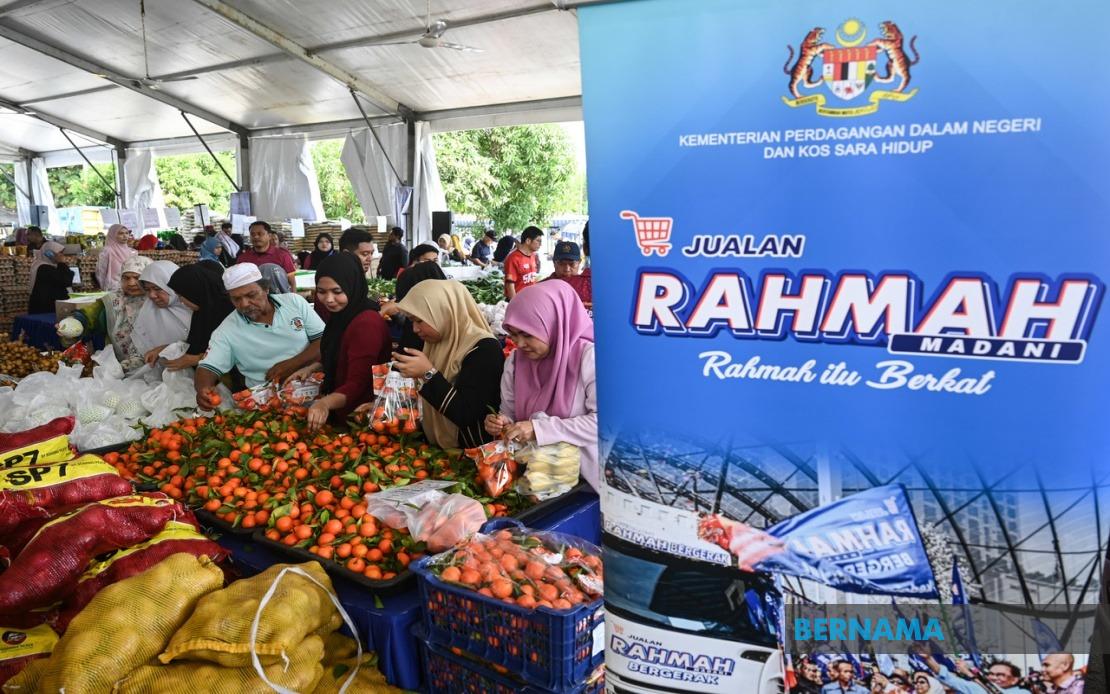
Prime Minister Datuk Seri Anwar Ibrahim has announced a significant expansion of Malaysia's consumer relief programme, unveiling plans to launch the Ihsan Rahmah 9.9 online sale on September 9 to coincide with Malaysia Day 2026. The digital initiative represents a pivotal shift for the government's ongoing efforts to mitigate the rising cost of living across the nation, signalling a modernisation of how subsidised goods reach Malaysian households. Speaking at the TikTok Shop Summit Malaysia in Kuala Lumpur on August 20, Anwar framed the initiative as comprehensive support directed towards all 34.5 million Malaysians, emphasising the government's commitment to broadening accessibility beyond traditional physical retail formats.
This marks a watershed moment for the Jualan Rahmah programme, which has been administered by the Ministry of Domestic Trade and Cost of Living since its inception. Previously confined to brick-and-mortar outlets and periodic physical sales, the transition to an online platform addresses critical gaps in accessibility for consumers in remote areas and those unable to participate in time-constrained promotions. The digital format leverages Malaysia's growing e-commerce infrastructure and rising smartphone penetration, potentially reaching a far broader demographic than conventional sales events. By anchoring the launch to Malaysia Day, the government is imbuing the sale with symbolic significance, positioning consumer relief as integral to the nation's identity and collective prosperity.
The Ihsan Rahmah programme fundamentally operates by offering essential commodities at discounts ranging from 10 to 30 per cent below standard retail pricing. These reductions cover everyday necessities that form the backbone of household budgets—foodstuffs, hygiene products, and household supplies that disproportionately impact lower and middle-income families. For Malaysian consumers grappling with inflationary pressures, such promotional windows provide tangible relief, even if temporary. The online iteration amplifies this reach exponentially, eliminating geographical constraints that have historically limited participation to urban centres and commercially active towns.
Anwar underscored that robust economic growth statistics must translate into tangible improvements in citizens' quality of life. His remarks reflect an acknowledgment that macroeconomic progress rings hollow for millions struggling with daily expenses unless accompanied by targeted interventions addressing affordability. The Prime Minister specifically cited education, healthcare, basic infrastructure, and cost of living as priority areas requiring concurrent policy attention alongside headline growth figures. This framing positions the Ihsan Rahmah 9.9 sale within a broader governance philosophy that treats consumer welfare as inseparable from economic legitimacy.
The announcement was made in the presence of several key cabinet ministers whose portfolios directly intersect with the initiative's success. Communications Minister Datuk Seri Fahmi Fadzil's attendance underscores the digital infrastructure requirements underpinning the online platform, while Entrepreneur and Cooperative Development Minister Steven Sim Chee Keong's participation reflects the programme's reliance on private sector participation and supply chain coordination. Domestic Trade and Cost of Living Minister Datuk Armizan Mohd Ali represents the ministry directly responsible for programme execution and vendor management. This multi-ministerial alignment signals serious institutional commitment rather than token announcement.
The choice of the TikTok Shop Summit as the announcement venue carries strategic implications. By launching the initiative amid discussions about e-commerce ecosystem development on one of Southeast Asia's most widely used digital platforms, the government signals receptiveness to contemporary retail channels and youth engagement. TikTok Shop's dominance in Malaysian e-commerce, particularly among younger demographics, positions it as a natural partner for digitising traditional welfare initiatives. This convergence of government policy and commercial technology platforms reflects how modern consumer relief must operate within existing digital ecosystems rather than against them.
Anwar expressed hope that the Ihsan Rahmah 9.9 sale would receive widespread promotional support, maximising awareness among the target population. Effective communication remains critical given that promotional pricing provides no benefit to those unaware of the offering. The digital platform inherently generates superior visibility compared to localised physical sales, with social media amplification and targeted advertising capabilities far exceeding traditional promotional methods. However, digital divide concerns persist, particularly among elderly populations and those in areas with limited broadband access, necessitating complementary offline awareness campaigns to ensure equitable participation.
The September 9 launch date carries practical implications for Malaysian households entering the final quarter of the calendar year, typically characterised by elevated consumer spending around festivities and year-end expenses. Positioning the sale at this economically stressful juncture demonstrates policy responsiveness to seasonal cost-of-living pressures. The timing also permits coordination with international e-commerce calendar events, potentially leveraging promotional momentum and consumer shopping behaviour patterns established during similar peak periods.
For Southeast Asia regionally, Malaysia's digitisation of consumer relief programmes offers a template for governments seeking to enhance welfare delivery efficiency. The region faces comparable cost-of-living pressures and digital infrastructure advancement, making Malaysia's experience with online-to-offline (O2O) welfare initiatives valuable for neighbouring economies. Should the Ihsan Rahmah 9.9 prove successful, it could influence policy approaches across ASEAN nations grappling with similar affordability challenges.
The initiative also reflects evolving consumer expectations regarding government services. Digital-native populations increasingly expect seamless online transactions for all services, including subsidised purchases. By modernising Jualan Rahmah, the government demonstrates institutional adaptability and responsiveness to changing consumer preferences. This modernisation simultaneously reduces administrative overhead associated with managing physical sale venues, potentially allowing greater resource allocation towards expanding product offerings or deepening discount percentages.
Stakeholder coordination remains critical for success. The government's emphasis on support from various parties suggests recognition that implementation requires seamless collaboration between ministries, e-commerce platforms, merchant networks, and logistics providers. Supply chain vulnerabilities could constrain the initiative's effectiveness if vendors cannot maintain inventory levels during peak demand periods. Previous physical Jualan Rahmah events occasionally experienced stockouts, underscoring the logistical challenges inherent in subsidised retail operations at scale.
The announcement positions Malaysia Day 2026 as not merely a commemorative occasion but an opportunity for tangible citizen benefit. By aligning consumer relief initiatives with national celebrations, the government reinforces messaging that economic progress and national development serve the entire population. This symbolic alignment, combined with practical policy implementation, represents contemporary governance attempting to bridge aspirational national narratives with immediate household economic realities.

