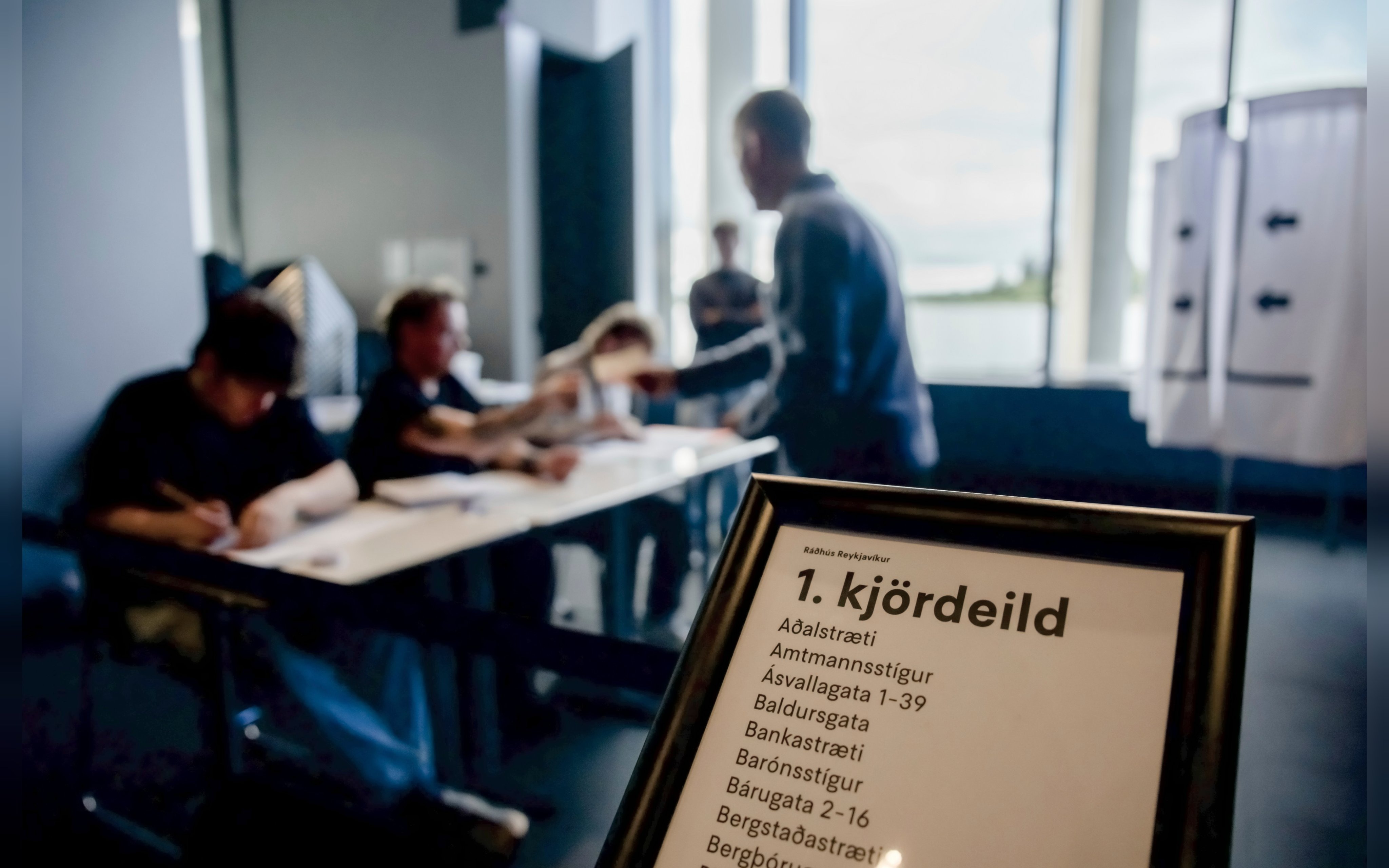
Iceland has dealt a significant blow to its pro-European government by voting to reject the resumption of European Union membership talks in a referendum held over the weekend. Official results showed 52.8 per cent of voters opposed reopening accession negotiations, while 47.2 per cent supported the move—a narrow but decisive outcome that underscores the nation's deeply divided sentiment over continental integration.
The referendum result reflects a persistent tension within Icelandic society between those who see EU membership as a path to greater security and prosperity, and those who fear the political and economic costs of surrendering autonomy to a larger bloc. The tight margin of less than six percentage points demonstrates that Iceland remains almost evenly split on the question, with the outcome potentially subject to shifting circumstances in coming years.
The vote was initiated by Iceland's left-leaning government, led by the Social Democrats, which secured a mandate to hold a referendum on EU accession talks during the 2024 election campaign. The governing coalition had explicitly committed to putting the membership question directly to voters, reflecting a desire to resolve what has become one of the nation's most polarizing political issues. By holding the referendum, the government sought to settle the debate through democratic consensus rather than parliamentary decree.
Geopolitical developments appear to have reignited Icelandic interest in EU membership at this particular moment. Russia's continued aggression in Ukraine and broader security concerns in the North Atlantic region have prompted some Icelanders to reconsider the potential benefits of closer European integration and collective defence arrangements. However, these security considerations were ultimately insufficient to overcome domestic reservations about the EU project.
Iceland's relationship with the EU has been marked by hesitation and reversal for nearly a decade and a half. The North Atlantic nation first applied for membership in 2009, during the immediate aftermath of the global financial crisis when the country's economy faced severe strain. At that time, EU membership appeared to many Icelanders as a stabilizing force that might help the nation rebuild. Yet momentum for accession stalled when geopolitical priorities shifted and domestic opposition hardened.
The application process ground to a halt in 2013 when a eurosceptic government assumed office and effectively paused accession discussions. That interruption has persisted for over a decade, reflecting the enduring political salience of anti-EU sentiment in Iceland. The 2013 decision demonstrated that even when one government supports EU membership, successor administrations with different priorities can reverse course, creating an uncertain path forward for accession.
Fishing rights have emerged as perhaps the most substantial barrier to Icelandic EU membership, and this concern dominated the recent referendum campaign. Iceland's fishing industry remains the lifeblood of the economy and a source of national pride, providing livelihoods for thousands of citizens and generating critical export revenue. EU membership would require Icelanders to negotiate fishing quotas within the Common Fisheries Policy framework, a process that many citizens view as an unacceptable threat to their control over domestic marine resources.
Beyond the fishing question, opponents of membership have articulated broader concerns about national sovereignty and the capacity of a small island nation to maintain its distinct interests within a large supranational organization. Many Icelanders worry that joining the EU would fundamentally alter their country's political character and subject fundamental decisions to majority voting rules in which Iceland would hold minimal influence. This anxiety about sovereignty has proven remarkably durable across generations of political debate.
The referendum outcome carries implications extending beyond Iceland itself. For the European Union, the result confirms that Nordic scepticism toward integration remains strong even among countries with close historical ties to Europe. It suggests that enlargement efforts in the Arctic and North Atlantic regions face formidable obstacles rooted in economic self-interest and cultural preference for independence. The vote also indicates that security concerns, while important, may not overcome material anxieties about fishing rights and economic autonomy.
For the broader Southeast Asian context, Iceland's referendum offers lessons about the challenges of integrating small, resource-dependent economies into larger trading and political blocs. Like several ASEAN nations, Iceland possesses strategic marine resources and has wrestled with the tension between regional cooperation and the preservation of economic autonomy. The referendum demonstrates that even wealthy developed nations experience intense public resistance to supranational integration when core economic interests are perceived as threatened.
The political consequence for Iceland's government remains uncertain. Having invested political capital in calling the referendum and presumably expecting a different outcome, the ruling coalition now faces questions about its mandate to pursue EU membership further. While 47.2 per cent support for accession talks represents a substantial minority position, it likely falls short of the supermajority that would be required to move forward decisively against the expressed will of the narrow referendum majority.
Looking ahead, Iceland's EU question appears unlikely to fade away entirely. Geopolitical pressures may intensify if European security concerns mount, potentially reviving pro-EU sentiment. Alternatively, a future government might prioritize different economic priorities or security arrangements, further relegating EU membership to the margins of political discourse. The referendum has provided a temporary answer to the membership question, but Iceland's referendum result suggests the underlying tensions driving this debate will persist.

