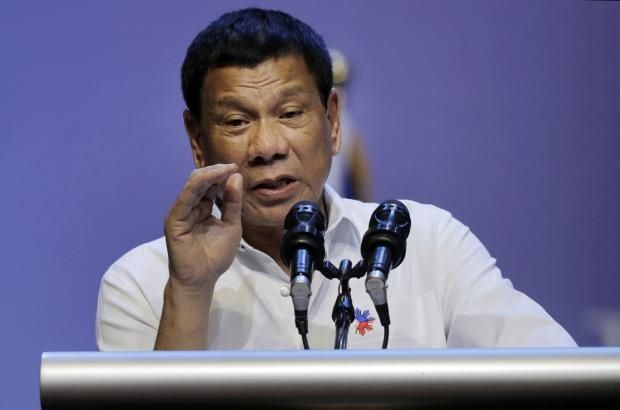
The International Criminal Court's Trial Chamber III has delivered a mixed ruling on the prosecution's efforts to access assets held by detained former Philippine President Rodrigo Duterte, approving the freezing of undisclosed funds while simultaneously blocking attempts to obtain his personal keys. The dual decisions, released in late May and June, illustrate the court's attempt to balance investigative needs against individual privacy protections as the case progresses toward a substantive trial phase. Duterte remains in custody at The Hague following his arrest and transfer in March of the previous year, where he faces charges of crimes against humanity involving murder linked to his administration's controversial drug war.
The prosecution's primary objective in seeking asset seizure centres on establishing a potential forfeiture mechanism should Duterte be convicted. The judges determined that funds discovered during his custody warrant freezing specifically because they may become available for reparations payments to victims under Article 75 of the ICC's foundational statute. This consideration reflects the court's dual mandate to pursue justice while simultaneously providing remedies for those harmed by alleged crimes. The chamber emphasised that the Registry, the ICC's administrative body, must implement safeguards to prevent the money from depreciating in value during the interim period before any potential conviction and sentencing phase concludes.
The decision to restrict the prosecution's access to Duterte's personal keys emerged from a careful privacy analysis conducted by the judges. The defence team successfully argued that possession of keys constitutes an unwarranted intrusion into the former president's private sphere, particularly since these items were retrieved while he travelled with family members during his Hong Kong visit. The court acknowledged that fishing expeditions through personal effects without clear justification run counter to fundamental principles protecting the dignity and privacy rights of accused persons, even those facing serious international crimes.
What renders this ruling significant for Southeast Asian observers involves the court's willingness to compartmentalise prosecutorial access. While rejecting the keys request, the chamber approved the prosecution's ability to inspect and access other unspecified items recovered from Duterte's possession, finding reasonable grounds to believe such materials could contain evidence pertinent to the investigation. This nuanced approach suggests the ICC balances investigative necessity against proportionality, a framework increasingly important as regional cooperation with international justice mechanisms expands across Southeast Asia.
The prosecution's delayed request for access to Duterte's personal effects drew particular criticism from the bench, which noted the investigation team provided no justification for bringing such matters forward only at this later procedural stage. This rebuke carries broader implications for how international prosecutors must structure their investigative strategies, particularly when dealing with personal materials that implicate privacy concerns. The chamber's implicit message warns against opportunistic or disorganised approaches to evidence gathering, which could foreshadow stricter scrutiny of future requests.
Duterte's legal team characterised the seized keys as intimate items involved in family travel, a positioning that resonated with the judges' reasoning. The former president's defence strategy increasingly emphasises the personal dimensions of their client's circumstances, attempting to humanise proceedings that remain extraordinarily formal and distant from ordinary judicial processes. This approach has proven effective in specific instances, though the broader charges concerning alleged extrajudicial killings during the drug war remain substantively unaffected by asset-freezing or key-access decisions.
The asset-freezing approval carries particular weight given evolving international norms regarding financial accountability for state officials accused of atrocity crimes. By preserving seized funds specifically for eventual victim compensation, the ICC reinforces its victim-centred jurisprudence, ensuring that financial accountability mechanisms serve restorative justice functions beyond simple punishment. This principle increasingly influences how Southeast Asian nations contemplate domestic accountability mechanisms for serious crimes, even as they maintain various relationships with international justice institutions.
The three separate decisions released across two dates reflect the incremental manner in which international proceedings unfold, with chambers ruling on discrete evidentiary and procedural questions rather than comprehensive determinations. This fragmented approach sometimes challenges public comprehension, yet it permits careful judicial reasoning on specific issues as circumstances evolve. For Philippine observers tracking developments closely, these rulings signal neither vindication nor catastrophe for either prosecution or defence, but rather the measured legal wrestling that characterises complex international criminal proceedings.
The Registry's role in managing seized assets assumes heightened importance following this ruling. As the administrative custodian of Duterte's frozen funds, this ICC body must implement preservation protocols that prevent devaluation while maintaining proper accounting records. Such administrative functions often receive minimal public attention despite their practical significance for ensuring that any eventual reparations awards possess substantive financial backing.
Looking forward, the rejection of the keys request may establish precedent constraining prosecutorial requests throughout the remainder of the case. Should investigators seek additional access to personal effects, they face a higher burden of demonstrating both necessity and proportionality, standards articulated implicitly through the chamber's reasoning in this instance. This doctrinal development potentially affects other international investigations involving detained individuals' personal belongings, extending the practical influence of these seemingly narrow ICC decisions.
For Malaysian and broader Southeast Asian readers, these developments underscore how international criminal procedure balances competing values of accountability and individual rights. As regional governments increasingly engage with international justice mechanisms, understanding these procedural complexities becomes essential for informed public discourse. The Duterte case continues illuminating both the potential and limitations of international accountability processes, offering lessons relevant to how other governments might face scrutiny for alleged serious crimes.

