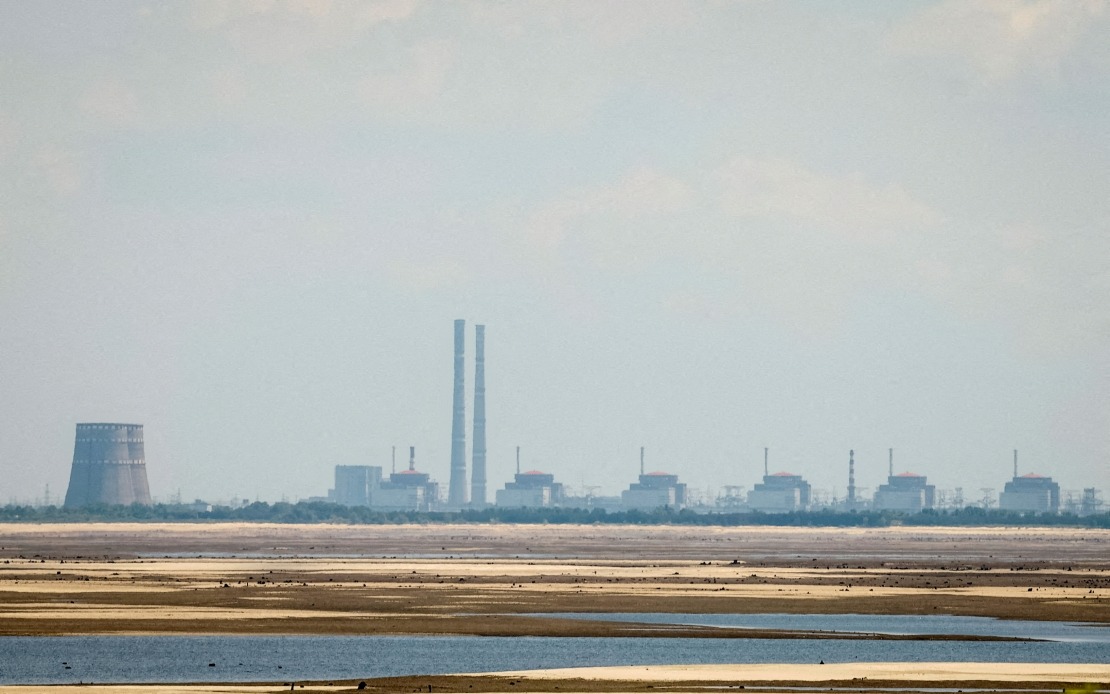
The world's nuclear watchdog has sounded an increasingly urgent alarm about the deteriorating operational conditions at Europe's largest nuclear power station. On Friday, the Zaporizhzhia Nuclear Power Plant in Ukraine lost its external electrical connection for the twenty-first time since military conflict engulfed the region, prompting the International Atomic Energy Agency to underscore the precarious state of safety systems at the facility and the mounting risks posed by ongoing military activities in the area.
The latest disruption severed the plant's link to the 330 kV Ferosplavna-1 transmission line that supplies power to operate critical cooling and safety infrastructure. According to IAEA observers stationed at the site, military operations in the vicinity triggered protective systems on the electrical grid, automatically disconnecting the nuclear facility from the external power network. This scenario has become disturbingly routine, with the plant now experiencing such incidents at an alarming frequency that reflects the unstable security environment surrounding this crucial energy asset.
When external power supply cuts out, the plant's contingency systems spring into action. Backup diesel generators automatically engage to supply electricity for reactor cooling systems and other essential functions required to maintain nuclear safety protocols. While these emergency systems have functioned as designed during previous outages, the IAEA has grown increasingly concerned about the reliability and adequacy of these backup mechanisms in the face of repeated disruptions and the potential for cascading failures if power cuts persist or intensify.
IAEA Director General Rafael Grossi has become the international face of concerns about the plant's precarious situation. In his public statement, Grossi emphasized that the recurring loss of external power demonstrates how fragile the nuclear safety situation has become at the facility. He called explicitly for maximum military restraint from all parties operating in the region, framing this restraint as essential to preventing a potential nuclear accident that could have catastrophic consequences far beyond Ukraine's borders.
The Zaporizhzhia plant occupies a unique and deeply troubling position in the global nuclear landscape. As one of Europe's most significant nuclear power stations, the facility's vulnerability has important ramifications not only for Ukraine's energy security but for regional stability across Europe and beyond. The plant's repeated disconnections from the grid represent a fundamental breakdown in the conditions necessary for safe nuclear operations, a situation that would normally trigger immediate international intervention and comprehensive security arrangements.
Since the escalation of the Ukraine conflict, the pattern of disruptions at Zaporizhzhia has grown increasingly alarming. Each power loss raises the prospect that backup systems could fail or that a more serious incident could occur if military activity damages infrastructure beyond repair. The fact that external power has now been cut off more than twenty times suggests neither a temporary aberration nor an isolated problem, but rather a systemic vulnerability created by the broader military environment surrounding the plant.
For Malaysian and Southeast Asian observers, the Zaporizhzhia situation carries significant lessons about nuclear energy security in regions experiencing geopolitical tension. The crisis demonstrates how quickly and comprehensively military conflict can compromise the operational integrity of even the most robust nuclear facilities. It also highlights the global interdependencies created by nuclear power generation and the potential for regional crises to have transnational consequences through environmental contamination or energy market disruptions.
The repeated failures of external power systems also raise uncomfortable questions about the adequacy of backup and redundancy measures at nuclear plants worldwide. International nuclear safety standards generally assume a reasonably stable operational environment. The Ukrainian situation tests these assumptions in ways that force nuclear regulators everywhere to reconsider their security planning and contingency arrangements. This extends to regional concerns about nuclear facilities in areas where political tensions could escalate or military operations might inadvertently damage critical infrastructure.
The IAEA's emphasis on the need for military restraint reflects the reality that technical solutions alone cannot ensure safety when the fundamental operational environment becomes unstable. No amount of backup diesel generation can substitute for a secure environment in which nuclear facilities can function normally and predictably. The international agency faces an unusual challenge in this case: advocating for restraint among military actors while lacking any enforcement mechanism beyond public pressure and diplomatic channels.
The consequences of a major incident at Zaporizhzhia would extend far beyond Ukraine. A significant nuclear accident could contaminate vast areas across Eastern Europe and potentially affect weather patterns and agricultural productivity across the continent. The economic costs of such an event, combined with the human health consequences, would dwarf the current expenses of the conflict itself. This calculus should theoretically create strong incentives for all parties to protect the facility, yet the repeated power losses suggest that military imperatives on the ground continue to override nuclear safety considerations.
As the conflict persists without clear resolution, the challenge of maintaining nuclear safety at Zaporizhzhia becomes increasingly complex. Each passing month increases the cumulative stress on backup systems and safety infrastructure. The plant was designed to operate safely within a secure and stable environment, assumptions that no longer hold. The IAEA continues to monitor the situation closely, but its ability to influence events on the ground remains limited, underscoring the fundamental importance of diplomatic solutions that would allow the facility to return to normal operational conditions and remove the looming threat of a nuclear catastrophe.

