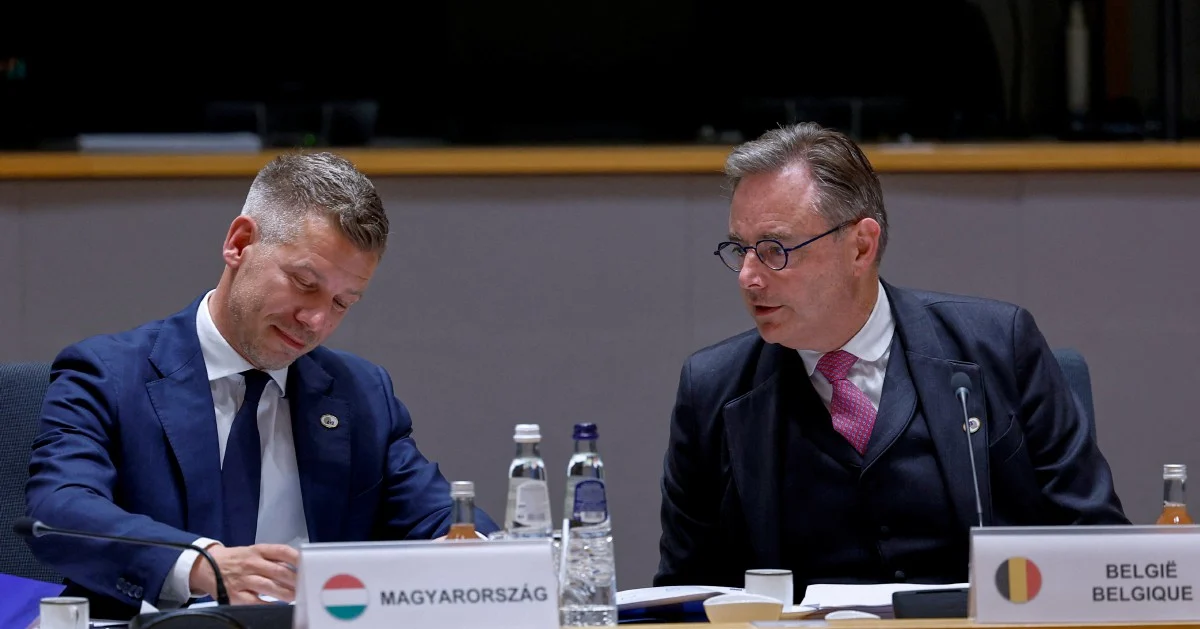
Hungary's parliament is poised to give the green light to a suite of anti-corruption initiatives this week, signalling the country's determination to overhaul governance standards under newly installed Prime Minister Peter Magyar. The legislative approval would represent a pivotal moment in Magyar's broader transformation agenda, which hinges substantially on restoring the confidence of EU institutions and persuading Brussels to release significant financial resources currently held in abeyance.
The withheld funds at stake represent a considerable portion of Hungary's EU budget allocations, frozen due to longstanding concerns about judicial independence, rule of law compliance, and systemic corruption. For months, Hungarian officials have negotiated with European Commission representatives to establish concrete benchmarks for reform. The introduction of this fresh legislative package signals progress in those talks and reflects Magyar's willingness to implement the structural changes that EU leadership has deemed necessary before capital can flow freely again.
Under Prime Minister Viktor Orbán's tenure, Hungary faced mounting EU scrutiny over governance issues, including concerns about the independence of courts, media freedom, and procurement practices. These institutional deficiencies prompted Brussels to withhold recovery funds and suspend certain budgetary allocations, creating a financial bottleneck that has constrained Budapest's ability to fund infrastructure, research, and social programmes. Magyar's administration has positioned anti-corruption reform as central to its legitimacy and foreign policy objectives, seeking to differentiate itself from its predecessor's approach.
The timing of these legislative moves matters considerably for the broader geopolitical context in Central Europe. EU member states have grown increasingly vigilant about governance standards across the bloc, particularly regarding the deployment of funds from the Recovery and Resilience Facility and regular budget allocations. Hungary's case has become emblematic of the tension between national sovereignty and supranational standards, with the EU determined to ensure that taxpayer money from other member states is deployed within robust institutional frameworks.
Magyar's government has signalled that anti-corruption measures will extend across multiple domains, likely encompassing procurement regulations, conflict-of-interest protocols, judicial oversight mechanisms, and asset declaration requirements. The specific architecture of these reforms will be scrutinised carefully by EU officials, who have decades of experience identifying loopholes and cosmetic changes designed to satisfy external pressure without fundamentally altering entrenched practices. The credibility of this initiative will partly hinge on the robustness of implementation mechanisms and independent oversight bodies.
For Malaysia and other Southeast Asian nations observing EU institutional dynamics, Hungary's experience offers instructive lessons about the increasing integration of governance standards into international financial relationships. The EU's willingness to withhold substantial sums until reforms materialise demonstrates how international organisations are leveraging financial power to encourage institutional transformation. This approach contrasts with some other global forums, which may prioritise diplomatic relationships over formal governance assessments.
The economic implications for Hungary are substantial. The withheld billions could address pressing infrastructure deficits, support green energy transitions, and fund research initiatives that would enhance the country's competitiveness within the EU single market. Conversely, prolonged institutional standoffs with Brussels create uncertainty that deters foreign investment and complicates long-term economic planning for Hungarian businesses. Magyar's government appears cognisant of these trade-offs and is prioritising reconciliation with EU structures.
Parliamentary approval of these measures, while essential, represents merely the initial phase of a longer process. Implementation will be scrutinised by EU institutions, civil society organisations, and international watchdog groups. The European Commission will likely establish monitoring mechanisms to verify that legislative provisions translate into genuine behavioural change within state institutions. This oversight architecture reflects the EU's experience managing reform processes across former communist nations, where initial legislation sometimes masked continued dysfunction.
Magyar's political coalition will need to sustain consensus around these reforms, even as they may generate resistance from entities benefiting from existing systems. The new Prime Minister has framed anti-corruption as a foundational component of his legitimacy, distinguishing his administration from his predecessor and signalling alignment with European institutional norms. This rhetorical positioning carries political risk, as disappointments in implementation could undermine Magyar's credibility and complicate his broader reform agenda.
The release of withheld EU funds would provide tangible benefits that could strengthen Magyar's political position domestically, demonstrating that reform yields concrete improvements in Hungary's fiscal position. Media coverage of fund disbursement could reinforce public perception that governance transformation delivers measurable dividends, building political support for continued institutional change even when reforms prove administratively demanding or economically disruptive.
Regionally, Hungary's trajectory carries implications for other Central European nations navigating similar governance questions. Poland, another EU member facing Brussels scrutiny over judicial independence and rule of law concerns, observes Hungarian developments closely. The precedents established through Hungary's reform process will influence how other governments calibrate their responses to EU institutional pressure, potentially shaping the broader governance landscape across the continent.