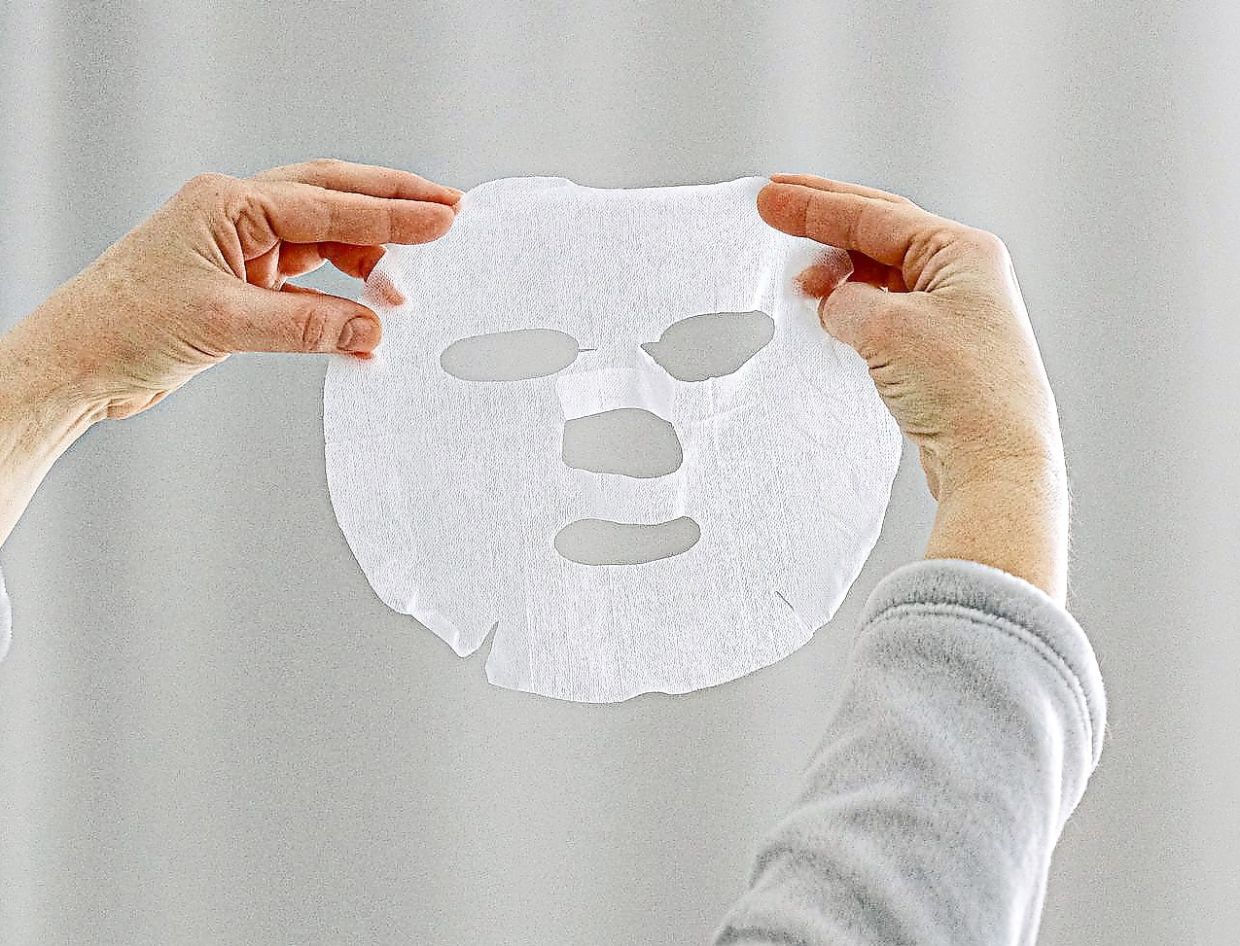
The cabin environment at cruising altitude presents a hostile landscape for facial skin, with moisture levels plummeting to levels far below what our complexion experiences on the ground. This physiological challenge has spawned an explosion of elaborate in-flight skincare routines circulating across social media platforms, yet the science behind what actually works remains straightforward: understanding why planes dehydrate skin, then applying targeted hydration strategies both before and during travel.
The dramatic shift occurs because aircraft cabins maintain humidity levels between just 10 and 20 percent, compared to the normal 40 to 60 percent found in everyday environments. This disparity triggers a cascade of moisture loss from the skin's outer layers, a phenomenon dermatologists term transepidermal water loss. Dr Azadeh Manesh, a skin care specialist practising in London, explains that this accelerated dehydration creates visible consequences: the skin develops tightness, loses its natural radiance, and takes on a dull, flat appearance that can persist well after landing.
Long-haul routes intensify these effects dramatically compared to short flights, making the preparation strategy considerably more important for passengers undertaking multi-hour journeys across continents or oceans. Dr Bernard Ho, a consultant dermatologist and spokesperson for the UK's Skin Health Alliance, emphasises that addressing in-flight skin challenges requires a three-pronged approach spanning preparation, active treatment during flight, and dedicated aftercare. The pre-flight phase proves particularly critical because arriving at the airport with skin already in optimal condition provides a buffer against the environmental assault to come.
Pre-flight preparation involves deliberately adjusting skincare routines to eliminate ingredients that compromise moisture retention. Dr Ho advises abandoning products containing active compounds such as alpha-hydroxy acids, beta-hydroxy acids, and retinol for at least one or two days before departure. Though passengers with naturally oily complexions might hesitate to prioritise hydration, the cabin environment fundamentally alters this calculus by stripping moisture so aggressively that dryness becomes the dominant concern, overwhelming any oiliness present. This counterintuitive shift requires a mental recalibration of skincare priorities based on environmental rather than baseline skin characteristics.
The elaborate multi-step skincare rituals showcased across Instagram and TikTok, while visually compelling, introduce unnecessary complexity and hygiene concerns during flight. Dr Ho advocates instead for streamlined routines that acknowledge the sanitisation challenges inherent to airplane cabins. His personal approach relies on micellar water applied with a cotton pad for gentle cleansing, followed by straightforward moisturisation. This minimalist strategy avoids overwhelming the skin barrier, which becomes increasingly fragile and reactive when subjected to excessive product layering during dehydration stress. Dr Manesh frequently observes that passengers make the mistake of intensifying their skincare loads precisely when simplification becomes most beneficial, inadvertently triggering increased sensitivity.
Core hydration should centre on humectants, substances that draw moisture from deeper skin layers and retain it in the epidermis. Glycerin and hyaluronic acid represent the foundational humectants upon which effective in-flight routines should build, with panthenol offering additional hydrating benefits through its skin-conditioning properties. Emerging ingredients like ectoin demonstrate anti-inflammatory characteristics alongside barrier-enhancement functions, while ceramides support the skin's protective lipid layer. However, Dr Ho notes that any moisturiser application surpasses none, meaning that passenger accessibility and comfort matter nearly as much as ingredient sophistication. The strategy prioritises sealing hydration into the skin after application, since the cabin's extreme aridity will otherwise evaporate moisture that fails to receive occlusive protection.
Sun protection requires particular attention during daytime flights, as passengers receive continuous ultraviolet exposure through aircraft windows combined with high-altitude intensity. Dr Manesh recommends applying broad-spectrum sunscreen and reapplying every four to five hours throughout flight duration. For passengers landing at sunny destinations, Dr Ho notes that the most critical moment for sun protection often comes during descent and post-landing, when exposure escalates as soon as the cabin door opens. Applying sunscreen before disembarking rather than after reaching the hotel establishes protective coverage precisely when UV intensity peaks.
Hydration extends beyond topical applications to systemic fluid intake, with both dermatologists emphasising generous water consumption throughout the flight. This internal hydration supports skin moisture from within while counteracting the dehydrating effects of cabin pressurisation and recycled air. Conversely, alcohol and salty snacks should receive minimisation as they actively dehydrate the body and skin through osmotic mechanisms. Makeup application during flight presents another consideration, as light coverage remains acceptable but heavy makeup application risks congestion and occlusion of the skin barrier when combined with extreme dryness stress. The seemingly innocuous habit of using makeup wipes deserves particular avoidance, as the friction and chemical action of these products actually increase transepidermal water loss rather than providing any cleansing benefit.
The post-flight aftercare phase completes the comprehensive strategy by restoring skin to its optimal baseline condition. This continuation of intensive hydration for 24 to 48 hours following landing allows the skin barrier to regenerate and recover from cabin-induced stress. Passengers should maintain heightened moisturisation even after resuming their standard skincare regimens, treating the post-flight recovery period similarly to how they prepared before departure. This holistic approach transforms in-flight skincare from an isolated challenge into an integrated component of broader travel wellness planning, ultimately delivering noticeably improved complexion quality compared to passengers relying on improvisation at 35,000 feet.

