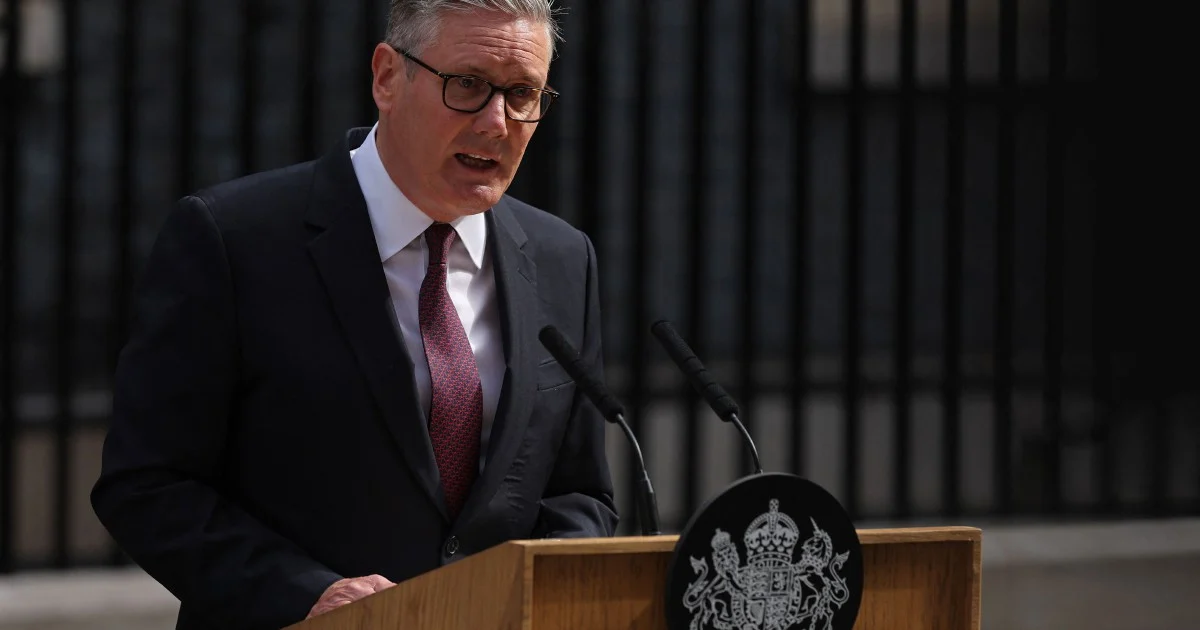
Keir Starmer's announcement on Monday that he will step down as United Kingdom Prime Minister signals a dramatic conclusion to his tenure and initiates a formal process to select his successor. The transition is scheduled to be completed before parliament returns following its summer recess in September, compressing the timeline for what is typically a lengthy and complex leadership competition. This development reflects an extraordinary period of political instability within Britain's traditionally steady system of government, as the nation prepares to install its seventh prime minister within the span of a single decade.
The resignation mechanism in British politics differs fundamentally from what many Southeast Asian observers might expect. Unlike presidential systems where elections determine succession, the British constitutional arrangement centres on parliamentary confidence and party machinery. Once a serving premier announces their departure, the governing party assumes control of the succession process rather than triggering a nationwide election. In Starmer's case, with the Labour Party commanding a substantial parliamentary majority following their recent electoral victory, the Labour membership will effectively determine who occupies 10 Downing Street next.
The formal procedure begins when the party's ruling bodies establish a timetable and rules for leadership elections. Members of the Labour Party, numbering in the hundreds of thousands, become entitled to participate in selecting the new leader. This democratic element distinguishes the British system from some commonwealth nations and reflects the evolution of British political parties toward greater membership involvement in leadership selection. Prospective candidates typically must secure nominations from a specified number of sitting MPs to appear on the ballot, a threshold designed to prevent frivolous or fringe candidates from cluttering the competition.
This requirement to obtain parliamentary support creates a significant filtering mechanism. Any Labour member aspiring to lead the party must convince serving Members of Parliament that they possess the credentials and capability to lead the government. This gatekeeping function ensures that frontline politicians, who interact daily with potential leaders and understand their temperament and strategic thinking, have decisive influence over the initial field. The requirement also prevents scenarios where candidates with minimal parliamentary experience could claim party leadership.
Once the nomination threshold is met, candidates campaign directly to the party membership. In contemporary practice, this involves hustings—public forums where candidates answer questions from members and party affiliates. Television debates amplify their messages to broader audiences, though the formal voting occurs entirely within party structures. Members cast ballots either electronically or by post, with the winner determined by instant runoff voting if no candidate secures an outright majority on the first count. This preferential voting system encourages consensus-building and ensures the winner commands support across different party factions.
The compressed timeline until September's parliamentary return imposes unusual constraints on this process. Normally, leadership elections allow several months for candidates to articulate their vision, campaign across various constituencies, and permit the membership to deliberate carefully. The abbreviated schedule in this instance means candidates will have minimal time to build name recognition among casual members or to substantively differentiate themselves on policy grounds. This favours candidates with existing high profiles and established networks within the parliamentary Labour Party.
For Malaysian and Southeast Asian observers, the British succession method offers instructive contrasts with regional political practices. While Westminster systems emphasise party-based selection of executives, systems across Southeast Asia frequently employ direct popular election, mixed arrangements, or rely more heavily on executive discretion. The British approach distributes power between the sitting parliament, party members, and leadership hopefuls in ways that can feel diffuse compared to systems with more centralised selection mechanisms. Yet this distribution also provides multiple veto points that prevent rapid concentration of power.
The broader context of seven prime ministers within ten years illuminates deeper structural challenges within British governance. This turnover far exceeds normal patterns in established democracies and signals profound ideological fractures within the Conservative and Labour movements. From David Cameron through Theresa May, Boris Johnson, Liz Truss, Rishi Sunak, and now transitioning from Starmer, this succession of leaders reflects genuine policy disputes and personality-driven conflicts that conventional parliamentary procedures struggle to resolve. The instability potentially affects Britain's international standing and policy continuity, matters of consequence given the country's economic and geopolitical weight.
Starmer's successor will inherit an administration with a substantial parliamentary majority, providing whoever leads Labour with considerable legislative flexibility. However, they will also inherit numerous inherited challenges including cost-of-living pressures, infrastructure deficits, and a fractious parliamentary party with competing wings seeking influence over policy direction. The new leader must rapidly establish authority while managing expectations among members who voted them into office with particular policy preferences or leadership styles in mind.
The September reconvening of parliament serves as a natural deadline for the succession, as Britain's system requires the Prime Minister to be an active Member of Parliament and to participate in prime minister's questions and broader legislative business. Delaying leadership selection past this point would create constitutional awkwardness, as it would require a caretaker or interim arrangement. The current timeline thus represents a pragmatic accommodation between the party's desire to conduct a genuine membership election and the constitutional requirement for settled executive leadership.
International observers will closely monitor how Labour's membership election unfolds, as it may signal the direction of British politics going forward. The winner will presumably pursue different emphases and policy priorities than Starmer, reflecting shifts in party sentiment. Given Labour's strong parliamentary position, whoever emerges will have genuine opportunity to reshape British governance and Britain's regional and global relationships. For Southeast Asia, changes in British political direction carry implications for trade relationships, security partnerships, and Britain's role in Indo-Pacific affairs through vehicles like the AUKUS arrangement and broader regional engagement strategies.