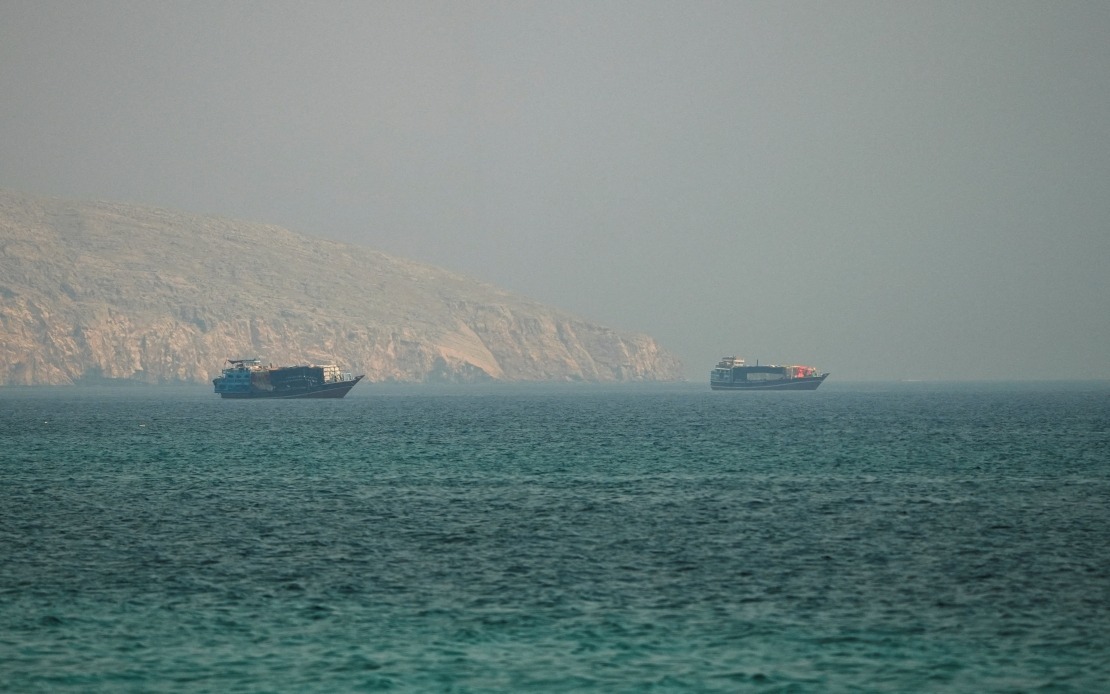
The Strait of Hormuz, one of the world's most economically critical sea lanes, remains engulfed in heightened security concerns as maritime incidents continue to destabilise the region. The UK Maritime Trade Operations (UKMTO) on Friday formally designated the waterway's threat level as "severe", underscoring the gravity of escalating attacks on commercial shipping that have fundamentally altered risk assessments for global maritime commerce. This designation carries significant implications for Southeast Asian shipping interests, given that many Malaysian and regional vessels regularly transit through these waters en route to European and Middle Eastern markets.
UKMTO's Joint Maritime Information Centre issued a notice acknowledging that while the southern shipping corridor through the Strait of Hormuz has been expanded and technically remains open to all traffic, mariners should anticipate radio communications from naval forces patrolling the area. The advisory reinforces that vessels must maintain heightened vigilance and prepare for potential encounters with military personnel operating on very high frequency channels. Additionally, maritime operators are directed to exercise extreme caution within designated mine-danger areas, reflecting the unpredictable nature of the security environment.
The persistence of the "severe" threat classification stems directly from a series of unprovoked attacks targeting merchant vessels navigating the strategic waterway. These incidents have triggered an unprecedented escalation in military posturing between the United States and Iran, transforming what has historically been a region of geopolitical tension into an active conflict zone affecting civilian maritime traffic. For Malaysian shipping companies and logistics operators, the reality of increased insurance premiums, longer transit delays, and potential route diversification has become an urgent operational concern.
The United States has responded to merchant vessel attacks with repeated military strikes against Iranian military installations and infrastructure assets. American officials have characterised these operations as proportional responses designed to protect freedom of navigation and safeguard commercial shipping interests. However, this retaliatory approach has created a dangerous escalatory dynamic in which each military action triggers counter-responses, perpetuating a cycle that shows little sign of de-escalation or diplomatic resolution in the immediate term.
Iran's position on the Strait of Hormuz reflects its strategic interest in controlling passage through these waters. Tehran maintains that vessels transiting the waterway must first coordinate with Iranian authorities and insists on adherence to routes designated by Iranian officials. This demand for coordination effectively grants Iran significant leverage over shipping movements and reinforces its claim to regional maritime authority. Iran has reinforced this position through drone attacks targeting US military facilities both in the Persian Gulf and in Jordan, demonstrating its willingness to extend the conflict geographically and sustain pressure on American interests.
The cycle of military escalation continued when Iran responded to American strikes with drone operations against US military positions. These Iranian counter-attacks have broadened the geographic scope of the conflict beyond the Strait of Hormuz itself, introducing new vulnerabilities and expanding the potential impact zone for regional instability. The fact that Iranian drones have targeted facilities in Jordan demonstrates Tehran's strategic calculation that expanding the theatre of operations increases pressure on American allies and complicates international response coordination.
Attempts to broker a lasting settlement between Washington and Tehran have produced limited results. Last month, Iran and the United States concluded negotiations mediated by Pakistan and signed a memorandum of understanding ostensibly aimed at halting military hostilities and establishing a durable peace framework. However, this diplomatic breakthrough has proven fragile, as continuing attacks on commercial vessels and retaliatory military operations suggest that neither side has fundamentally altered its strategic objectives or threat perceptions. The memorandum's status remains uncertain, with observers questioning whether it can survive the current trajectory of confrontation.
For Malaysian and Southeast Asian stakeholders, the implications extend well beyond immediate shipping security concerns. The Strait of Hormuz remains essential infrastructure for global petroleum markets and international trade flows, with disruptions directly affecting fuel prices, manufacturing costs, and economic competitiveness across the region. Malaysian ports and logistics hubs depend on reliable access to Middle Eastern markets, and any prolonged closure or severe disruption of the Strait would reverberate through supply chains throughout Southeast Asia.
The expanded southern route mentioned in UKMTO's notice represents a practical accommodation to ongoing security concerns, providing vessels with an alternative corridor through the waterway. However, the designation of this route and the warnings accompanying it underscore that no transit option currently offers full immunity from risk. Shipping companies must now factor elevated insurance costs, potential delays from naval interactions, and navigational constraints into their operational planning and financial forecasting.
The current impasse reflects deeper strategic tensions that transcend immediate maritime security issues. For regional players including Malaysia, the situation highlights the vulnerability of Southeast Asian economies to disruptions in critical shipping lanes beyond their direct control. Policymakers must balance engagement with both American and Iranian interests while protecting national maritime interests and supporting the principle of freedom of navigation, a foundational commitment for a trading nation dependent on open sea lanes.
As the standoff continues, the international maritime community faces mounting pressure to develop conflict-resolution mechanisms that can interrupt the escalatory cycle. The presence of naval forces from multiple countries in the region, though intended to protect shipping, paradoxically increases the risk of miscalculation or unintended escalation. For Malaysian maritime interests, maintaining awareness of these dynamics and adapting operational strategies accordingly has become essential to managing risk in an increasingly volatile strategic environment.

