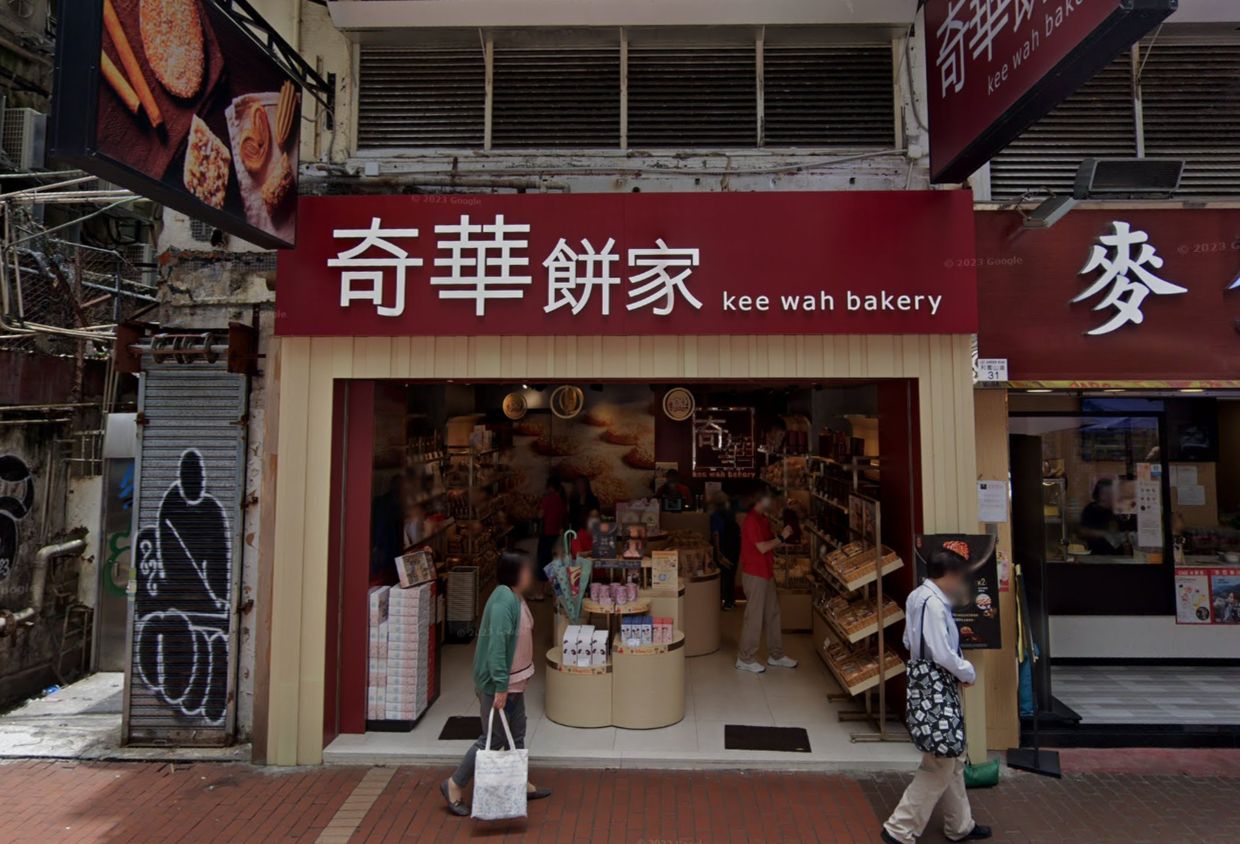
Kee Wah Bakery, the iconic Hong Kong pastry chain synonymous with traditional Cantonese baked goods, has fallen victim to a ransomware assault that compromised its internal network infrastructure, triggering immediate involvement from the territory's privacy authorities. The 86-year-old establishment disclosed the breach publicly on Tuesday, more than four days after detecting network malfunctions on the preceding Friday, setting off alarm bells across Hong Kong's retail and food sectors regarding cybersecurity vulnerabilities in legacy systems.
The attackers penetrated networks containing a sensitive repository of personal information spanning multiple constituencies: current and former employees, corporate partners engaged in supply chain relationships, registered customers of the bakery's online retail operations, and subscribers to its mobile application. Despite the breadth of potentially exposed records, Kee Wah has been unable to definitively establish whether any of this data was actually exfiltrated by the threat actors or merely held hostage within encrypted systems during the extortion attempt. This uncertainty has amplified anxiety among stakeholders awaiting clearer assessment of their personal information's vulnerability.
The bakery's initial response involved engaging specialist cybersecurity consultants to halt the attack's propagation, restore compromised systems, and conduct forensic examination of the breach. Company representatives emphasised that the investigation remains ongoing and verification procedures continue, preventing any authoritative statement on the scope or nature of information potentially spirited away by the cybercriminals. The statement carefully noted that payment card data and customer credit information were not maintained within the compromised systems, offering at least limited reassurance to those concerned about financial fraud exposure.
Recognising the gravity of the situation, Kee Wah initiated proactive communication with affected parties across all categories—workers, business associates, and digitally-engaged customers. The notifications included standard breach-response guidance advising recipients to exercise caution against social engineering attempts exploiting the breach's publicity, implement regular password refreshes across critical online platforms, and maintain heightened vigilance for suspicious contact attempts. These recommendations reflect established best practices in managing breach aftermath, though their effectiveness depends substantially on recipient compliance and awareness.
The company moved swiftly to engage authorities, reporting the incident to Hong Kong's Office of the Privacy Commissioner for Personal Data and the police on Sunday—two days before publicly acknowledging the attack. The Privacy Commissioner's office responded to the disclosure by formally requesting comprehensive details about the breach's dimensions, including precise figures on affected individuals and categorisation of the personal data elements at risk. This regulatory scrutiny reflects Hong Kong's Personal Data Protection Ordinance framework, which imposes strict notification and remediation obligations on data controllers experiencing security incidents.
Kee Wah's management employed the incident as a catalyst for pledging systematic overhaul of its cybersecurity posture. The bakery committed to conducting thorough examination of existing protective measures against recommendations from its newly-engaged security experts, signalling recognition that defensive infrastructure may have fallen behind contemporary threat sophistication. For a business established in 1938 and operating manufacturing facilities in Tai Po, the organisation likely maintains technology systems representing layers of historical infrastructure accumulation—a common vulnerability vector in organisations that evolved gradually rather than building cohesive digital ecosystems from inception.
The breach highlights a concerning pattern affecting Hong Kong's established commercial enterprises, particularly those in retail and food sectors with extensive customer-facing digital operations yet legacy back-end systems. Ransomware campaigns targeting such organisations have accelerated across Asia-Pacific markets, with attackers recognising that family-brand companies prioritise swift resolution and possess sufficient operational resilience to weather temporary disruptions. The dual-pressure model—encrypted data rendering systems inoperable while simultaneously threatening public disclosure—creates powerful incentives for rapid negotiated settlements, though Kee Wah's statement did not address whether the company engaged in ransom discussions.
For Malaysian and broader Southeast Asian business communities, the incident underscores how even established regional enterprises face asymmetric threats from sophisticated cybercriminal operations. Unlike data protection breaches affecting Western companies that may generate sustained media attention and regulatory penalties, incidents in the Asian market often receive muted coverage despite potentially affecting hundreds of thousands of individuals. The convergence of valuable personal data repositories, partially-modernised technology infrastructures, and relatively less-developed incident response ecosystems creates attractive targets for organised criminal syndicates operating across borders.
Kee Wah's experience also illuminates the regulatory and operational tensions facing data controllers across Hong Kong and Southeast Asia. The requirement to investigate breach scope thoroughly before making public disclosures conflicts with privacy authorities' expectations for rapid notification, leaving organisations navigating this uncertainty by erring toward early disclosure. Malaysian readers should note that similar obligations exist under the Personal Data Protection Act 2010, and businesses should establish incident response protocols before crises occur rather than improvising under pressure.
The retail and food manufacturing sectors across the region now face renewed pressure to audit their cybersecurity investments and remediate known vulnerabilities before threat actors identify them. For supply chain integrity, the incident raises questions about how compromised supplier and partner information circulates through interconnected business ecosystems, potentially exposing downstream organisations to secondary risks. Kee Wah's situation serves as a costly but instructive reminder that brand reputation and customer trust, painstakingly built over decades, face rapid erosion when security failures become public.