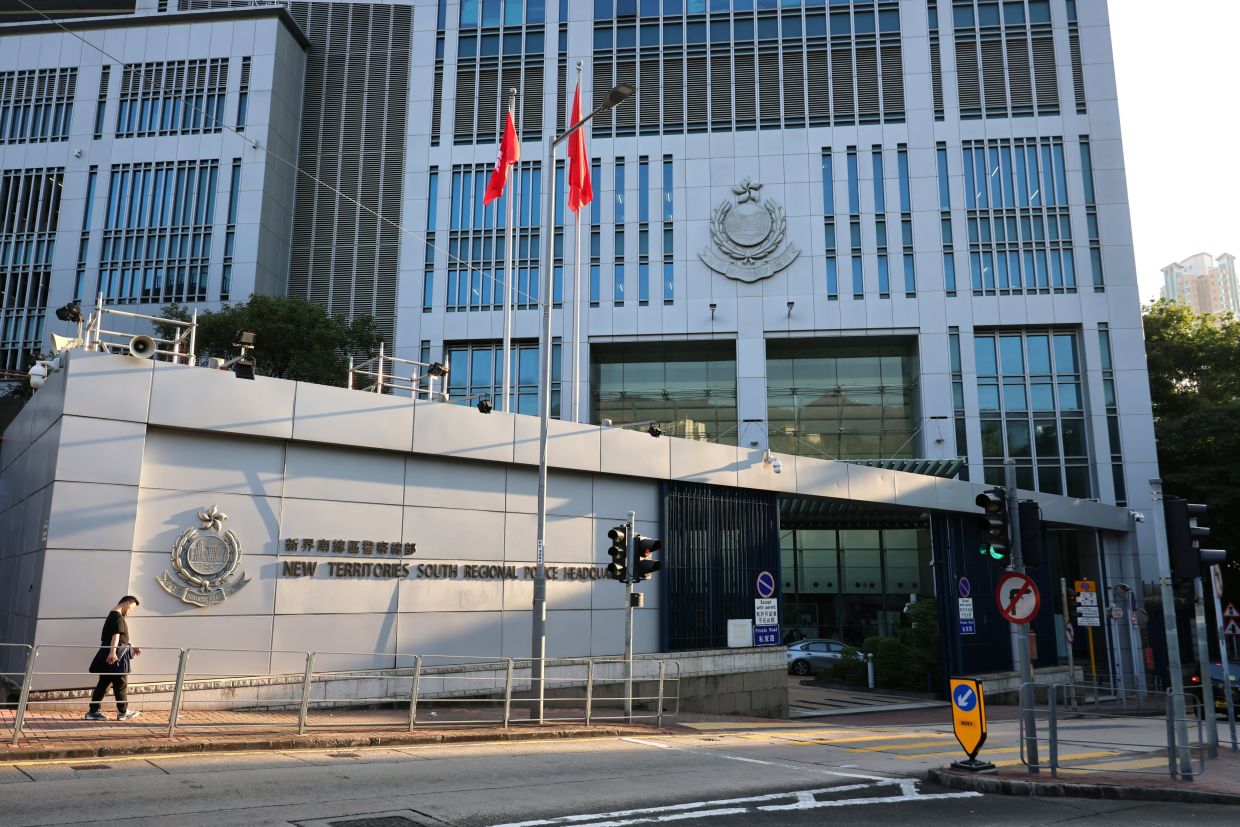
A 32-year-old police officer from Hong Kong's Kwai Tsing district faces formal misconduct charges after an investigation revealed he sent sexually inappropriate messages and images to a woman connected to a case he was handling. The New Territories South regional crime unit detained the officer on August 20, marking an escalation in what began as a complaint filed by the affected woman in May of the previous year. The allegation underscores persistent concerns about officer conduct within the Hong Kong Police Force, particularly in how investigators interact with individuals tangential to their cases.
The misconduct appears to have occurred during the course of a formal investigation that the officer was assigned to handle. Rather than maintaining professional boundaries, the officer allegedly exploited his access to case-related contacts to pursue inappropriate personal communication with the woman, who was identified as a friend of one of the suspects under investigation. This crossing of professional lines—using investigative access to contact individuals outside the formal scope of inquiry for non-official purposes—raises questions about how police oversight functions in sensitive investigative contexts.
The complainant's decision to report the incident directly to police authorities in the same month the inappropriate contact occurred demonstrates a willingness to challenge misconduct from within the system. Her report triggered an internal inquiry that eventually led to the charging decision, suggesting that the force's formal complaint mechanisms, at least in this instance, functioned to address the allegation. The timeline from complaint to detention spans considerably longer than the initial report month, indicating that investigating misconduct allegations requires substantial procedural time.
The single charge of misconduct in public office carries significant implications for the accused officer's career and reputation. This particular offence is employed when officials breach the bounds of their authority or act in a manner fundamentally incompatible with their public responsibilities. In this case, using police access and investigative authority to contact and communicate inappropriately with a civilian represents a fundamental betrayal of the trust placed in law enforcement officials.
The officer's immediate suspension from active duty reflects standard protocol following serious allegations. Such administrative steps prevent any further potential for misconduct while the legal process unfolds and maintain public confidence in the integrity of ongoing investigations. However, suspension without conviction creates a limbo status for the accused, who remains subject to employment consequences even before judicial determination of guilt.
The scheduled court appearance at Sha Tin Court on Friday will represent the formal entry into Hong Kong's judicial system, where the allegations will be subject to legal scrutiny and the officer will have the opportunity to mount a defence. The choice of venue and timing remains administratively determined, though the case has already drawn public attention due to the nature of the allegations and the position of the accused.
The Hong Kong Police Force's official response emphasises institutional commitment to high standards of officer conduct and zero tolerance for violations of law or regulations. A police spokesman's statement framing the matter as indicative of the force's dedication to integrity serves both as acknowledgment of the allegation's seriousness and as reassurance to the public. Such statements, however, are routine responses to misconduct cases and may ring hollow if systemic issues persist without wider reform initiatives.
This incident reflects a broader regional pattern of public concern regarding police conduct and accountability in major Asian democracies. Malaysia and other Southeast Asian nations have similarly grappled with scandals involving officers who have misused their positions or overstepped professional boundaries. The particular vulnerability that emerges when police have investigative access to civilian contacts remains a recurring problem across jurisdictions, highlighting the need for robust internal controls and oversight mechanisms.
The case also illuminates the power imbalance inherent in police-civilian interactions, especially when officers leverage their investigative role to contact individuals outside formal procedures. The woman in this instance, as an associate of a suspect, occupied a potentially vulnerable position where she might feel compelled to respond to police communications regardless of their appropriateness. Such dynamics make it essential that police agencies implement clear protocols governing officer communications with civilian contacts, distinguishing sharply between legitimate investigative contact and personal interaction.
Larger questions about police culture and training emerge from incidents of this nature. Whether this represents an isolated lapse by an individual officer or reflects gaps in institutional training and supervision requires examination. Professional development programmes that emphasise ethical boundaries and appropriate conduct toward civilians throughout the investigative process could serve preventative functions across police forces globally, including in Malaysia and the broader Southeast Asian region.
The outcome of the Sha Tin Court proceedings will carry implications beyond the individual case, signalling to both the police force and the public how seriously the judiciary treats misconduct allegations involving those entrusted with law enforcement authority. A conviction would reinforce institutional accountability, while an acquittal would raise questions about the adequacy of evidence or interpretations of what constitutes actionable misconduct. Either outcome will contribute to evolving understandings of professional standards within the force.
Moving forward, this case may prompt policy discussions within the Hong Kong Police Force regarding communication protocols, supervision practices, and mechanisms for preventing officers from misusing investigative access for personal purposes. Similar conversations in Malaysia and other regional police forces could strengthen institutional resilience and public confidence in law enforcement's commitment to ethical conduct.

