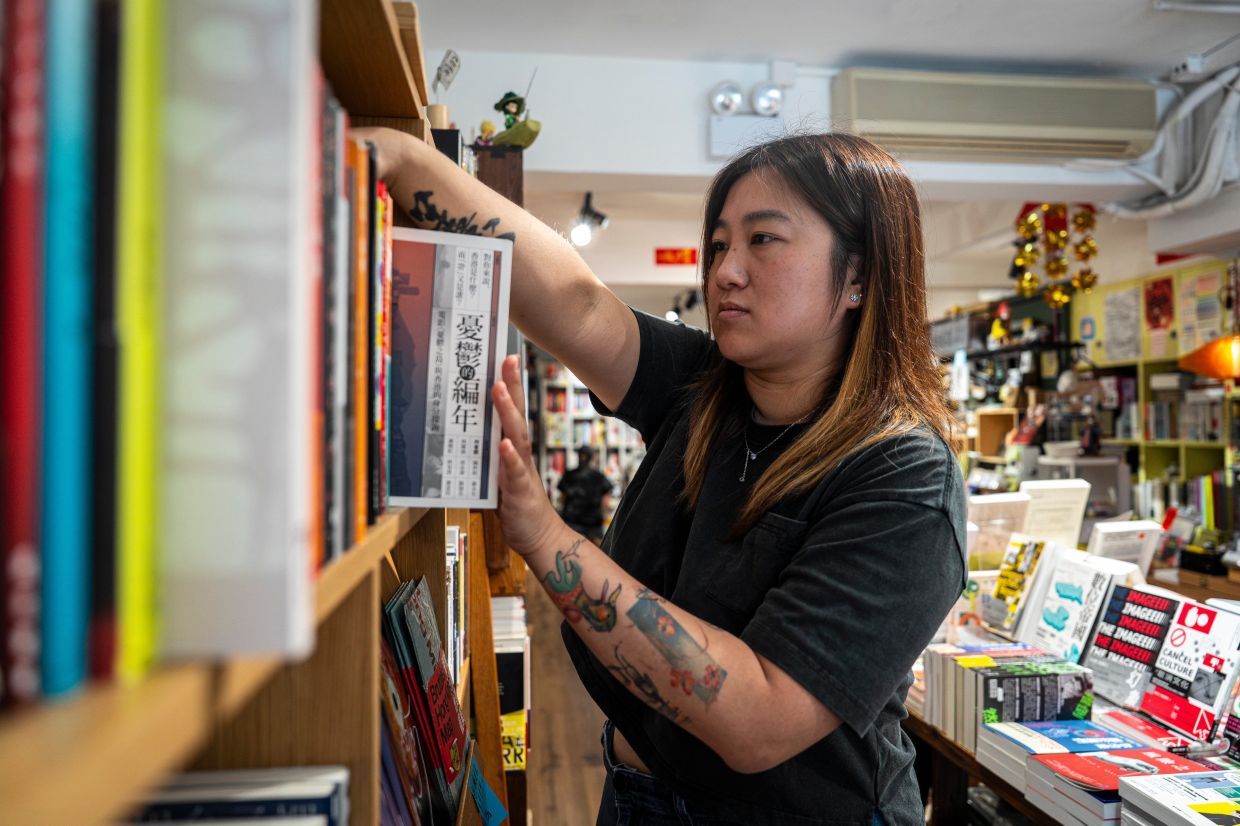
Hong Kong police have detained two individuals on suspicion of selling seditious materials and receiving funding from foreign political organisations, operating under the provisions of a 2024 national security law. The arrests, made on Wednesday, June 24, have been widely attributed to Leticia Wong, owner of Hunter Bookstore in the Sham Shui Po district, though police have not officially confirmed identities. Wong, a former pro-democracy district councillor who has remained a vocal critic of Hong Kong's political direction, was reportedly among those taken into custody.
The timing of these arrests carries particular symbolic weight in Hong Kong's political calendar. Coming just one week before the 29th anniversary of the territory's handover from British to Chinese rule on July 1, the detentions underscore the vastly transformed landscape of civil liberties that residents have experienced over the past few years. What was once a hallmark distinction of Hong Kong—its relative freedom of expression compared to mainland China—has become increasingly constrained through successive security legislation and law enforcement actions.
Wong's bookstore has become a focal point in Hong Kong's ongoing struggle over what constitutes permissible public discourse. The shop operates as more than a commercial space; it functions as a gathering point for those seeking literature and perspectives that challenge official narratives. Last year, a pro-Beijing newspaper questioned the political implications of an independent book fair held at the store, specifically flagging its intention to stock a biography of Jimmy Lai, the jailed pro-democracy media mogul. This incident illustrates how even the act of selling particular books has become a matter of state scrutiny.
According to police statements, the arrested individuals are suspected of displaying and selling publications deemed seditious in nature, with materials allegedly inciting hostility toward Hong Kong's government, judicial system, and law enforcement agencies. Additionally, investigators claim the pair received remittances from foreign political organisations, a charge that reflects broader official concerns about external support for Hong Kong's opposition movements. The government has not specified which publications, organisations, or amounts are under investigation, leaving the precise nature of the allegations somewhat opaque to the public.
Wong's own documented experience with state pressure reveals the persistent pressure facing those who operate at the margins of Hong Kong's shrinking political space. In an interview last year, she disclosed that government authorities had taken action against her shop on 92 separate occasions between July 2022 and June 2025. These measures ranged from direct inspections and conspicuous police patrols outside the premises to warning letters regarding alleged violations. In one particularly telling incident, an anonymous letter—reportedly sent to an organisation planning to host an event at her bookstore—prompted the group to cancel their booking entirely, demonstrating how fear and intimidation can operate through indirect channels.
This arrest represents part of a broader pattern targeting Hong Kong's independent booksellers. In March of this year, police arrested the owner and staff of another bookstore on similar sedition charges, specifically related to selling materials including Lai's biography. Those individuals were subsequently released on bail, though the investigation continued. The recurring focus on biographical works of prominent pro-democracy figures suggests that authorities view such publications as particularly threatening to the political order they are seeking to establish.
The 2024 national security law under which these arrests are being made forms part of a legislative framework that critics argue has fundamentally altered Hong Kong's legal environment. The law grants authorities expansive powers to determine what constitutes seditious content, with relatively little transparency regarding enforcement decisions. The government maintains that these security measures are essential for preserving stability and insists that freedom of speech remains protected. However, the cumulative effect of multiple arrests, investigations, and warnings targeting booksellers and publishers has created what many observers characterise as a chilling effect on freedom of expression.
For Malaysian readers and policymakers, Hong Kong's situation offers sobering lessons about how quickly civil liberties frameworks can be dismantled through incremental legislative changes and selective enforcement. The territory's experience demonstrates the vulnerability of freedoms that lack robust constitutional protections or independent judicial oversight. As Southeast Asian nations grapple with their own questions about balancing security concerns with civil liberties, Hong Kong's trajectory serves as a cautionary tale about the dangers of concentrated executive power and the erosion of institutional checks and balances.
The international dimension of these charges—specifically the allegation of receiving funds from foreign political organisations—reflects a pattern seen across authoritarian and semi-authoritarian contexts, where linking domestic dissent to external actors serves to delegitimise opposition movements. This framing allows governments to characterise their critics not as fellow citizens with legitimate grievances but as foreign agents acting against national interests, a narrative that has gained purchase in multiple Asian democracies facing questions about foreign interference.
Wong's continued activism despite years of official pressure demonstrates the resilience of Hong Kong's civil society, even as the space for that activism contracts. Her willingness to operate Hunter Bookstore and host events supporting pro-democracy causes, despite documented harassment, reflects a deliberate choice to maintain what she views as essential functions of an open society. Yet each new arrest signals the rising costs of such resistance and raises questions about how long such opposition can be sustained in an environment of increasing legal jeopardy.

