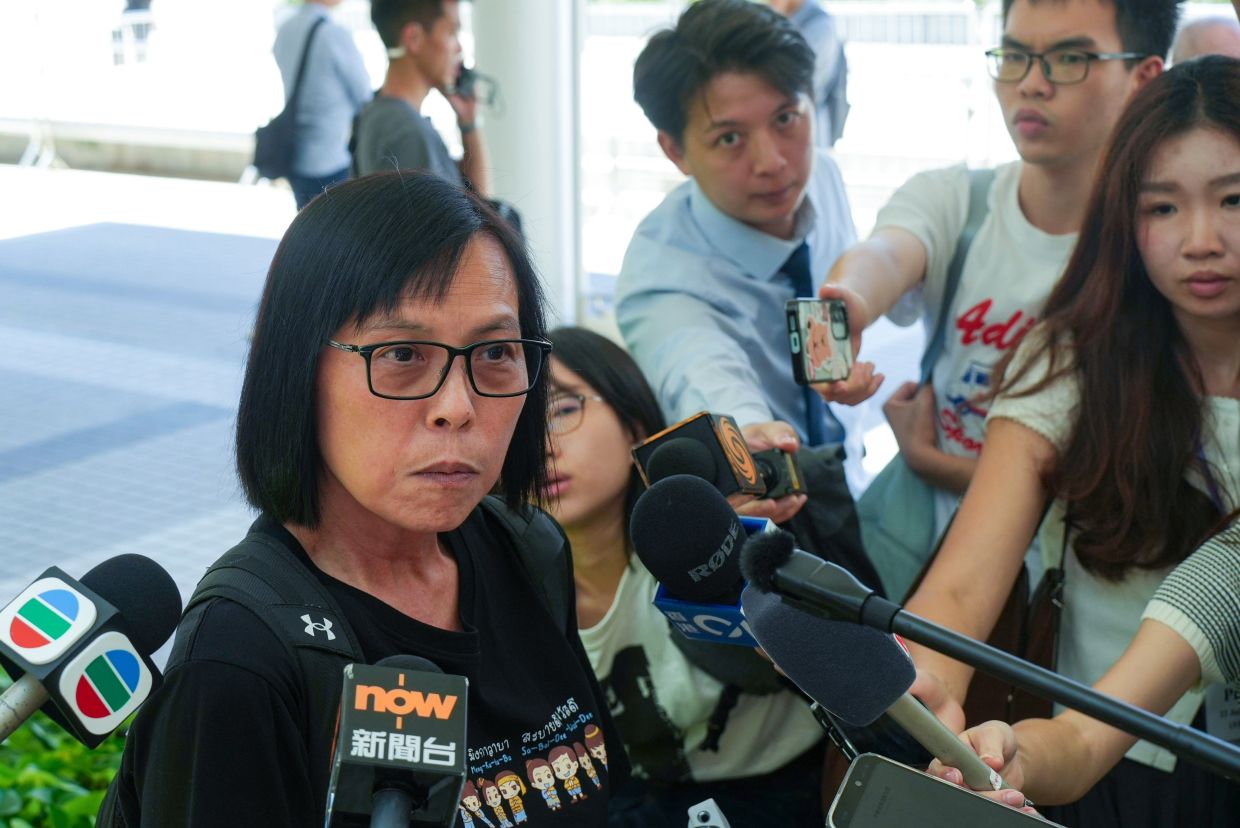
The independent committee tasked with investigating Hong Kong's devastating Wang Fuk Court apartment fire will not seek conversion into a statutory commission of inquiry, a decision that has alarmed survivors and observers who worry the probe may lack sufficient authority to uncover the full truth. Committee chairman Justice David Lok Kai-hong announced the position as hearings resumed this week following a six-week adjournment, signalling that the inquiry will proceed without the enhanced investigative powers that statutory status would confer.
Statutory commissions of inquiry carry significantly different weight than voluntary independent committees. A statutory inquiry would grant the investigation compulsory powers to summon witnesses, demand documentary evidence, and conduct proceedings with the force of law behind them. The refusal to pursue this status means the current panel operates on a more limited footing, dependent on the voluntary cooperation of those it wishes to question and potentially unable to compel production of sensitive records that might prove critical to understanding how the fire occurred and spread.
For the families of those who perished in the Wang Fuk Court blaze, the distinction carries profound implications. Without statutory authority, investigators cannot force government agencies or private entities to hand over internal communications, safety assessments, or maintenance records that might shed light on whether proper precautions existed and were followed. The ability to subpoena witnesses also means that individuals who might otherwise decline to participate could potentially avoid giving testimony, leaving significant gaps in the official record.
The decision reflects a broader challenge facing Hong Kong's approach to major public inquiries. While independent committees offer the appearance of impartial investigation, they operate within constraints that statutory bodies do not face. Statutory commissions, by contrast, function as formal judicial proceedings with legal authority comparable to courts, making their findings more difficult to challenge and their evidentiary record more complete. The choice between these two models therefore shapes not merely the process but potentially the substance of what the public ultimately learns.
Justice Lok's announcement suggests the committee believes it can conduct a thorough investigation without statutory powers, relying instead on the cooperation of relevant parties and the moral weight of examining such a serious tragedy. However, this optimistic assessment may not account for institutional reluctance or bureaucratic resistance that could hamper access to certain categories of information. Government bodies and private companies sometimes prove more forthcoming when legally obligated to do so than when merely requested.
The resumed hearings represent a critical juncture in Hong Kong's response to the disaster. The six-week pause, while necessary for preparation, also extended the timeline for families seeking closure and accountability. With the investigation now back underway but operating under self-imposed constraints, the window to gather complete evidence becomes increasingly significant. Any information that remains inaccessible due to lack of statutory power may be permanently lost if institutional memories fade or documents are discarded.
For the broader Southeast Asian region, Hong Kong's approach holds cautionary lessons. Several countries in the region have experienced major fires and building disasters, and the mechanisms chosen to investigate them shape public confidence in institutional accountability. Malaysia, for instance, has faced scrutiny over investigation procedures following industrial accidents and infrastructure failures. The Hong Kong case demonstrates how the procedural framework chosen at the outset can constrain what ultimately emerges as the official narrative.
The distinction between statutory and non-statutory inquiries also touches on questions of executive power and oversight. A voluntary committee, however independent, ultimately reports to authorities who may limit its recommendations or implementation. Statutory commissions, operating under legislative authority, possess greater independence and their findings carry more formal weight in policy discussions. Survivors and advocacy groups watching the Hong Kong investigation are acutely aware that without statutory status, even damning findings might face bureaucratic pushback or dilution.
Justice Lok's position also raises questions about the committee's confidence in its own mandate and resources. If the investigation requires no additional legal powers to reach definitive conclusions, it suggests either that sufficient cooperation is anticipated or that the scope of inquiry is being implicitly constrained. The decision not to pursue statutory status may thus signal limitations on what the committee intends to examine, rather than confidence that such powers are unnecessary.
Moving forward, the resumed hearings will demonstrate whether voluntary cooperation proves sufficient for a comprehensive accounting. Witnesses who appear before the committee will likely be more candid if they understand they must answer truthfully under oath, with legal consequences for false testimony. The absence of such mechanisms may produce testimony that is less precise or less complete than would be secured under statutory authority.
For Malaysian observers, the Hong Kong situation underscores the importance of establishing robust investigative frameworks at the outset of major inquiries. The decision to forgo statutory powers, whether made for reasons of administrative convenience or political calculation, ultimately affects the quality of public information available and the accountability to which institutions can be held. As Hong Kong's investigation continues, its shortcomings—or successes—will inform how other jurisdictions approach similar tragedies.
The committee's choice reflects assumptions about institutional good faith that may or may not prove warranted. Time will reveal whether voluntary cooperation produces sufficient transparency or whether survivors' concerns about investigative gaps prove justified. For now, the inquiry proceeds at a structural disadvantage, constrained by the very autonomy that was meant to ensure its impartiality.