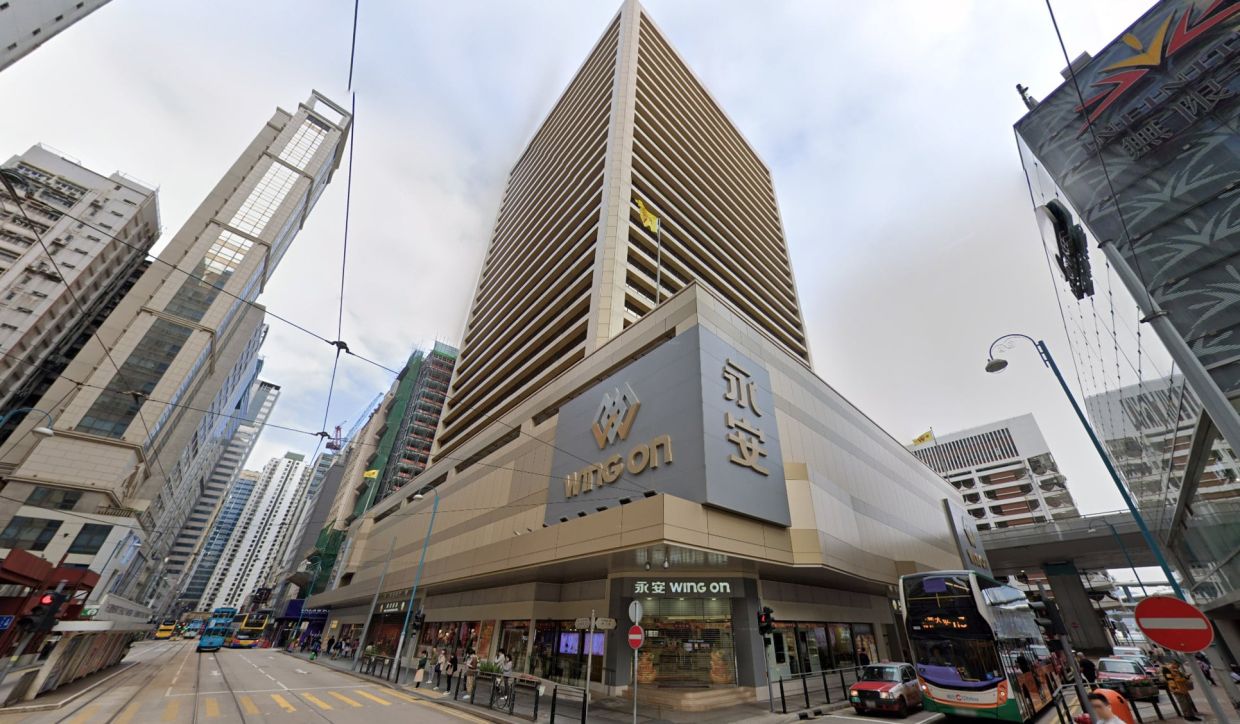
Hong Kong customs officials are actively investigating allegations that an elderly woman was subjected to sustained pressure to purchase HK$100,000 worth of beauty products at a store linked to Apex Retail, a company managing multiple beauty brands across Hong Kong and Singapore. The complaint, disclosed via social media over the weekend, describes a disturbing three-hour ordeal experienced by an 88-year-old customer at the Avinichi booth located within the Wing On department store in Sheung Wan during April, raising fresh concerns about predatory retail practices targeting vulnerable consumers in the territory.
According to the account posted by her daughter, a woman surnamed Ng, the elderly shopper's initial visit to the outlet escalated dramatically when sales staff allegedly retained her credit card rather than returning it after the first transaction. The daughter asserts that instead of relinquishing the payment method, the staff member kept the card in a folder as a device to facilitate continued selling pressure. Over the subsequent three-hour period, the credit card was swiped on four separate occasions, accumulating charges totalling HK$100,000 for an assortment of skincare preparations, a cosmetic treatment apparatus, and a package of 24 detoxifying sessions.
The daughter's account paints a troubling picture of the customer's experience and state of mind during the extended sales interaction. She reported that her mother's domestic helper attempted to intervene multiple times, at one point suggesting that they leave the premises, yet the sales effort persisted despite these attempts to disengage. Following the ordeal, the elderly woman experienced marked exhaustion and confusion, describing the episode in language that conveyed a sense of psychological overwhelm—she told her family that the experience felt akin to being hypnotised by the relentless sales pitch.
When the family subsequently sought redress for what they viewed as coercive conduct, Avinichi responded by refusing to issue a refund. The company offered only to exchange the purchased items for alternatives, a response the family found inadequate given the circumstances surrounding the original transaction. Dissatisfied with this outcome, the daughter escalated the matter by lodging formal complaints with the Customs and Excise Department and the Consumer Council, institutions tasked with protecting Hong Kong consumers from unfair trading practices.
Official confirmation of the investigation came swiftly when the Customs and Excise Department acknowledged to local media that it was pursuing the matter actively. The department signalled that enforcement action could follow should investigators uncover violations of the Trade Descriptions Ordinance, which contains provisions specifically addressing harassment, coercion, and misleading conduct designed to manipulate purchasing decisions. Officials emphasised the department's commitment to protecting consumer rights and its stated zero-tolerance position toward unscrupulous trading behaviour.
This case emerges within a broader pattern of complaints that have intensified scrutiny of Hong Kong's beauty retail sector over recent months. The situation mirrors earlier investigations into Opatra London, a beauty chain that attracted significant regulatory attention after two managers at its Hong Kong operations were arrested on suspicion of engaging in coercive sales practices. Similarly, The Mineral Boutique, operating under the Beauty Express Group banner, has faced allegations concerning aggressive sales methodologies. Legal specialists consulted by media outlets have previously noted that such tactics—encompassing credit card misuse, unwanted physical contact, and psychological pressure to acquire expensive items—potentially violate provisions within the Trade Descriptions Ordinance that specifically prohibit coercive commercial conduct.
Avinichi itself functions as part of Apex Retail's diversified portfolio of beauty brands operating across Hong Kong and Singapore. The corporate group maintains approximately a dozen retail locations throughout Hong Kong under various brand identities including Earth, Napara, Privilege Boutique, Dualsonic, and Lionesse. Notably, another outlet carrying one of Apex Retail's brands recently encountered comparable allegations regarding sales practices, suggesting a potential pattern rather than an isolated incident.
When approached for comment, staff at the Wing On location claimed unfamiliarity with the allegations detailed in the complaint. After consulting with a manager by telephone, employees requested the reporter's contact details while promising that a company spokesperson would subsequently respond. However, staff members prevented direct access to management for immediate clarification. As of Saturday evening, no statement from the company had materialised, creating an information vacuum around the company's position regarding the accusations.
According to Avinichi's corporate documentation, the brand launched two new "experience boutiques" in 2025 and identifies the Wing On department store in Sheung Wan as a formal mall partner. The Avinichi trademark itself is registered to Exclusive Label, a United States-based entity, and the brand's website contains a disclaimer stating that individual retail locations operate as independently owned and managed establishments. This corporate structure creates ambiguity regarding accountability and raises questions about whether brand owners exercise adequate oversight of franchised operations.
The recurring nature of aggressive sales allegations within Hong Kong's beauty sector suggests systemic vulnerabilities in consumer protections and retail regulation. The targeting of elderly consumers, who may be less equipped to resist sustained psychological pressure or navigate complex transaction processes, points to deliberate exploitation of demographic vulnerability. For Southeast Asian readers and particularly those in Malaysia, these developments underscore the importance of robust consumer protection frameworks and vigilant regulatory scrutiny of high-pressure retail sectors that operate across borders and business models.

