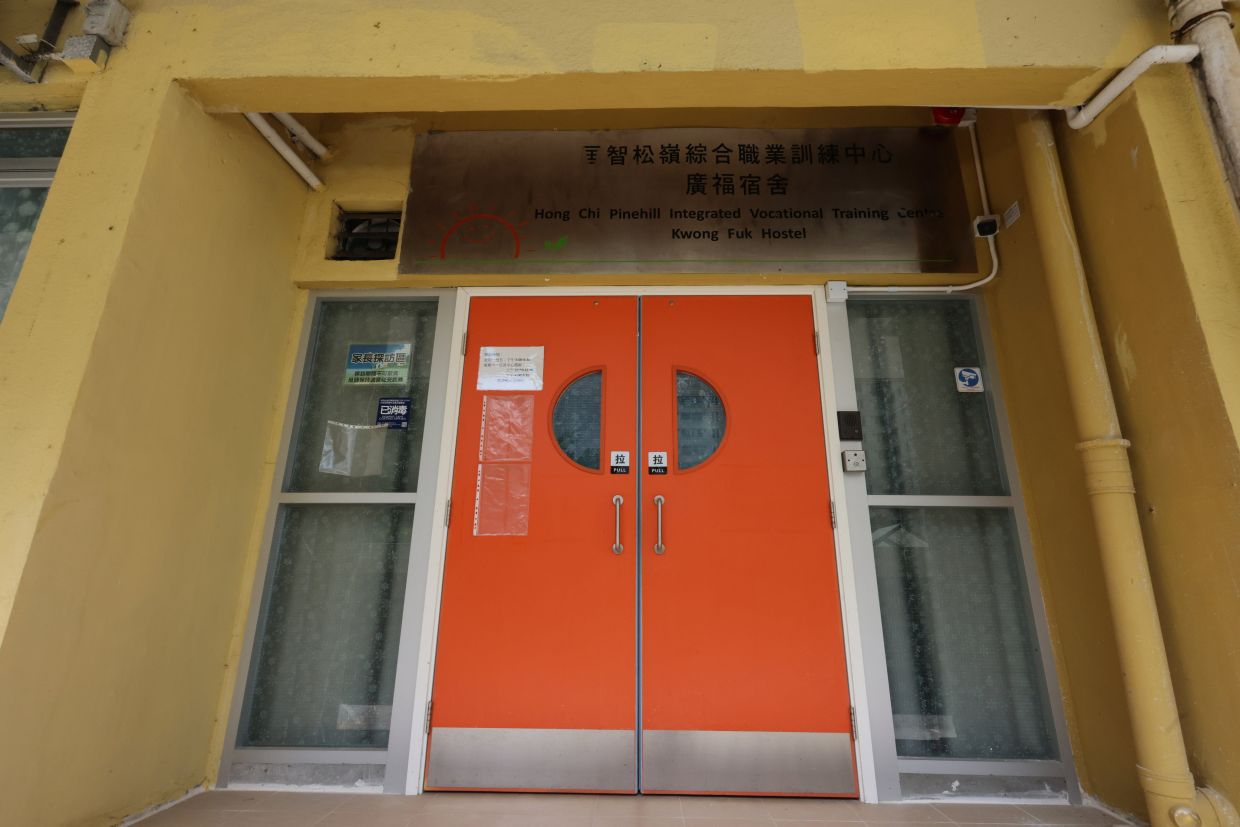
A former assistant warden at a residential facility for people with intellectual disabilities in Hong Kong has been charged with five counts of rape against a mentally incapacitated woman who resided at the home in Tai Po. Chung Pui-kei allegedly committed these offences between July and August 2024 at a residential home operated by the Chi Chi Association, a well-established non-governmental organisation providing care services. The case has proceeded to the High Court, where a jury of four men and two women has been empanelled under the presiding judgment of Judge Douglas Yau Tak-hong.
During opening submissions on Friday, prosecutor Human Lam Hiu-man presented evidence that the victim, identified as X, was twenty-three years old at the time of trial but possessed intellectual functioning equivalent to that of a child barely ten years old. This significant cognitive gap is central to the prosecution's case, as it establishes the power imbalance inherent in the relationship between the defendant and the vulnerable resident. The prosecutor detailed how the defendant exploited this vulnerability, cultivating what appeared to be a friendly rapport with the young woman by engaging her in recreational activities including video games such as Mario Kart and offering her treats like marshmallows. From the victim's perspective, these gestures created an illusion of genuine friendship with someone she called "Kei sir," masking predatory behaviour beneath a veneer of affection.
The prosecution's narrative, drawn from two video-recorded police interviews with the victim and corroborating surveillance footage obtained during investigation, alleged that the defendant systematically isolated and assaulted the woman on five separate occasions. Three of these alleged incidents occurred within a designated male staff rest room, whilst the remaining two took place within the victim's own residential space. In each instance, according to the prosecutor's account, the defendant locked the door before undressing both himself and the victim before perpetrating the sexual assault. The victim recalled experiencing physical pain during certain assaults and had attempted to resist on some occasions by saying no or expressing discomfort. However, fear of reprimand or scolding from Chung had prevented her from vocalising objections during other instances, the prosecutor explained to the court.
Forensic evidence presented during the trial strengthened the prosecution's case considerably. Police discovered condoms and related items within a locker located in the male staff resting room, whilst investigators also recovered a bedsheet from a female resident's room that tested positive for the defendant's semen alongside DNA matching the victim. This physical evidence provided objective corroboration for allegations that would otherwise rely heavily on testimony from a cognitively impaired witness, presenting significant evidentiary challenges in sexual assault cases involving vulnerable populations.
The prosecution called expert medical witnesses to contextualise the victim's condition and capacity to recall events accurately. Psychiatrist Lydia Lam Yi-ngar from Tai Po Hospital and clinical psychologist Wong Yik-tung from the Social Welfare Department both testified regarding the victim's history and current psychological status. The psychiatrist confirmed that X had been hospitalised in both 2018 and 2021 for mental health concerns, though she had maintained relative stability following appropriate medication management and had required only routine monitoring since discharge. The medical professional further diagnosed the victim with bipolar affective disorder, a condition requiring ongoing pharmacological intervention to maintain psychological equilibrium.
Crucially, the psychiatrist assessed X as showing no signs of active psychosis during examinations conducted in August and November 2024, a finding directly relevant to the defence strategy. The medical evidence established that X's mildness intellectually disabled status did not automatically render her incapable of accurately perceiving and recalling events. Notably, the psychiatrist found no evidence of post-traumatic stress disorder in X despite the alleged sexual assaults, though this absence does not necessarily undermine the credibility of her account, as trauma responses vary considerably among individuals with different intellectual capacities.
The defence strategy, articulated through counsel Lawrence Hui Cheuk-lun, focused on challenging the reliability of the victim's perception and memory. The defence counsel questioned whether patients could experience hallucinations affecting "perception of facial features" if they discontinued their prescribed medications. This line of questioning attempted to establish alternative explanations for any inconsistencies in X's account, suggesting that irregular medication compliance could have compromised her cognitive functioning and perceptual accuracy during the relevant period. However, the psychiatrist provided testimony undermining this approach by clarifying that hallucinations were not documented as a side effect of valproate sodium, one of the two medications X took as a mood stabiliser.
Further weakening the defence's medication-based challenge, the psychiatrist revealed that blood tests conducted on X had demonstrated medication levels consistent with the required therapeutic dosage, despite defence suggestions that X might not have been taking her medication regularly during July 2024. Although the doctor acknowledged relying upon information provided by residential home staff regarding X's medication compliance, the objective blood test results corroborated their reporting, providing independent verification that X had maintained appropriate pharmacological treatment. This evidence undermined any suggestion that compromised medication compliance had substantially impaired the victim's cognitive functioning or capacity for accurate perception during the alleged assaults.
The clinical psychologist Wong Yik-tung, who formally assessed X's intellectual capacity following the alleged rapes, remained mid-testimony at the conclusion of the first week of trial, with cross-examination scheduled to continue on Monday. This expert's assessment of X's intellectual functioning carries significant weight in establishing both her capacity to understand and communicate about the events that transpired and whether her level of disability rendered her incapable of meaningful consent.
The case raises important questions about safeguarding protocols within residential facilities serving Hong Kong's vulnerable populations. The employment of individuals in positions of trust and authority over profoundly disabled residents necessitates robust screening procedures, comprehensive training in appropriate boundaries, and rigorous oversight mechanisms. The apparent ease with which the defendant allegedly gained access to isolated spaces with the victim suggests potential gaps in institutional oversight and accountability systems designed to protect residents from exploitation. This prosecution will likely prompt review of care home procedures and staff management practices not only within organisations affiliated with Chi Chi Association but across the broader sector providing residential services to intellectually disabled individuals throughout Hong Kong and potentially across Southeast Asia, where similar vulnerabilities may exist.

