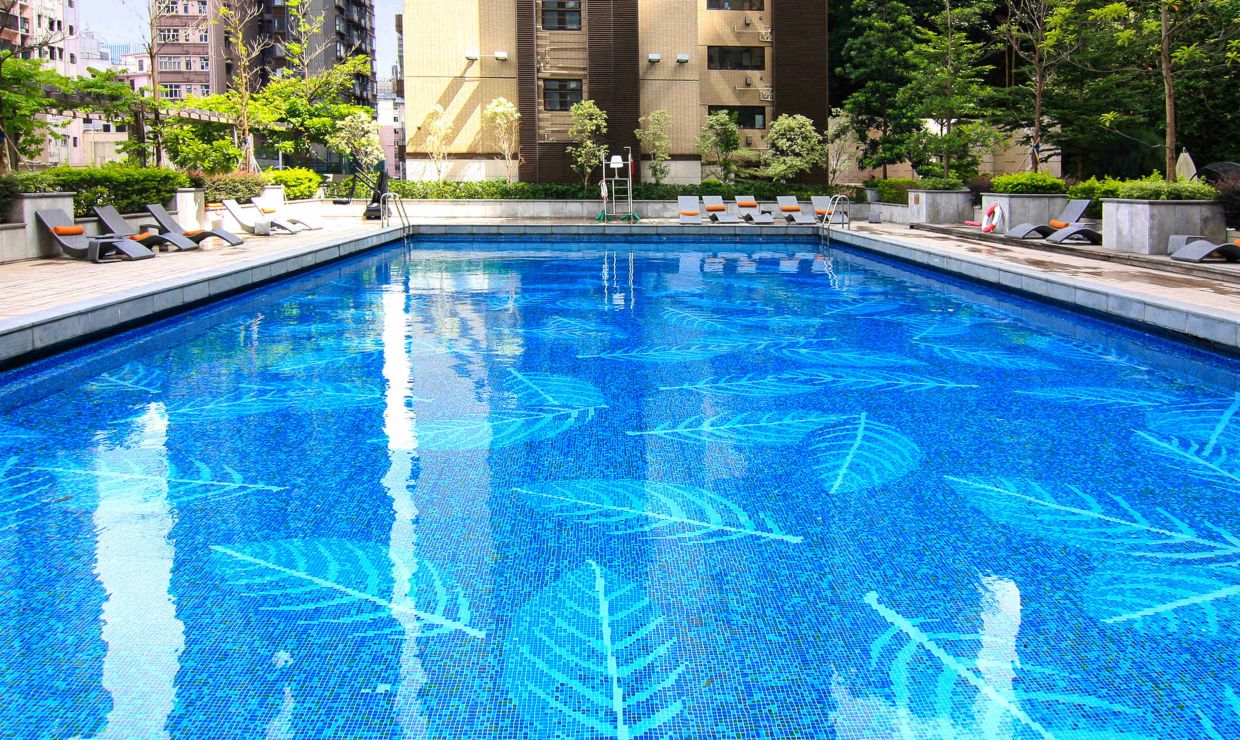
A private swimming facility in Hong Kong's affluent Happy Valley neighbourhood has been ordered to shut its doors indefinitely following the discovery that one of its employed lifeguards submitted false qualifications to secure the position. The Food and Environmental Hygiene Department announced the closure on Thursday after verifying that the lifeguard's purported credentials bore no match to official records maintained by the Hong Kong China Life Saving Society, the recognised authority responsible for certifying aquatic safety personnel across the territory.
The pool, located at the Winfield Building on Ventris Road, became non-compliant with Hong Kong's stringent Swimming Pools Regulation the moment the questionable qualifications were identified. Because the facility could no longer demonstrate it had the mandated minimum number of properly certified lifeguards on staff to meet legal requirements, authorities had no choice but to impose the immediate closure order. The private housing estate's management now faces potential prosecution, and the matter has been escalated to the police for investigation into the suspected forging of official documents.
The revelation emerged after the FEHD initiated a verification process on Wednesday, submitting a batch of lifeguard employment records from the property to the Hong Kong China Life Saving Society for cross-checking against their certified personnel database. Within just 24 hours, the society had flagged the discrepancy, triggering swift regulatory action by the government department. The Property Management Services Authority has also been notified to pursue whatever additional enforcement measures may be deemed necessary under its remit.
This incident represents a significant breach of trust in Hong Kong's swimming pool safety infrastructure, which has grown increasingly stringent following earlier lapses in oversight. Starting in May of last year, authorities tightened requirements for private pool licensees, mandating that they physically inspect identity documents before hiring lifeguards and maintain comprehensive copies of all relevant certifications, including Pool Lifeguard Awards and personal duty logbooks. Importantly, attendance records must now be verified and signed by both the lifeguard and an inspecting officer appointed by the pool operator, creating a paper trail designed to prevent exactly this type of deception.
The scope of the FEHD's quality assurance efforts underscores how widespread the need for enhanced vigilance has become. Between January and July this year alone, departmental inspectors conducted approximately 7,000 inspections across more than 1,400 licensed private swimming pools, during which they verified the qualifications of around 2,100 individual lifeguards. This intensive scrutiny reflects an institutional determination to eliminate gaps in the verification system that might otherwise allow unqualified personnel to occupy safety-critical roles.
The discovery of fraudulent credentials at this Happy Valley facility is not an isolated incident. Last year, authorities uncovered another case involving the deployment of unqualified lifeguards at a private pool, an occurrence that prompted the introduction of the enhanced regulatory measures now in place. These successive breaches suggest that some pool operators may have either underestimated the importance of proper credential verification or actively attempted to circumvent established safety protocols in order to reduce hiring or payroll costs.
For Malaysian readers, this case offers instructive parallels to Southeast Asia's own regulatory challenges in leisure and hospitality safety. As the region experiences rapid growth in residential developments and private recreation facilities, the question of how to ensure consistent compliance with safety standards becomes increasingly pressing. The Hong Kong experience demonstrates that credentials fraud can occur even in developed markets with relatively sophisticated regulatory frameworks, suggesting that emerging economies must establish robust verification mechanisms from the outset rather than attempting to tighten controls reactively after incidents occur.
The potential prosecution of the pool's licensee signals that Hong Kong authorities intend to hold facility management accountable not merely for the actions of individual employees, but for the adequacy of their hiring and verification procedures. This approach reflects a philosophy that safety compliance is fundamentally a management responsibility rather than simply a matter of individual worker conduct. Such accountability frameworks can incentivise private operators to invest in rigorous background-checking systems and maintain meticulous documentation.
Looking forward, the FEHD has indicated plans to intensify surprise inspections and unannounced spot checks during peak swimming season when pool usage reaches its highest levels and safety demands are greatest. The strategy of unpredictable enforcement, combined with the requirement for dual signatures on attendance records, creates multiple layers of deterrent against future credential fraud. For poolside safety to remain effective, the human element—whether lifeguards or facility managers—must know that compliance verification happens regularly and unexpectedly.

