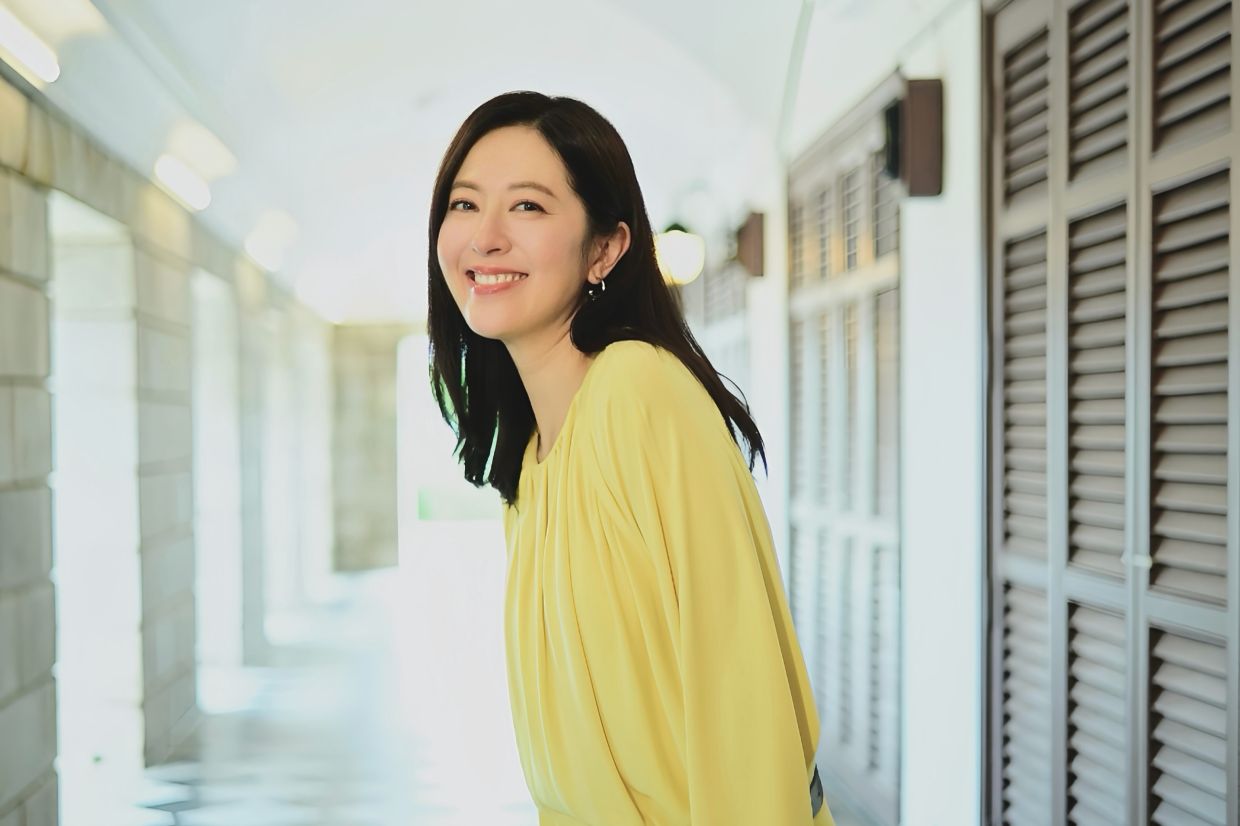
Hong Kong actress Natalie Tong has opened up about the profound loss of her mother and the lingering regrets that continue to shape her life choices, sharing an emotional account during a recent television appearance that resonated with viewers about the often-overlooked costs of professional ambition.
Tong, now 45, recalled how her single-minded focus on building her entertainment career left her with insufficient time to nurture her relationship with her mother, who passed away in 2009. Speaking candidly about the experience, the actress described how she poured her energy into work commitments while her mother needed her most, a realisation that struck her too late to remedy. The depth of her regret became evident as tears streamed down her face while discussing this period of her life, suggesting that more than a decade and a half after her mother's death, the wound remains raw and unhealed.
The circumstances surrounding her mother's death were particularly tragic. Years before she passed away, Tong's mother had been fitted with a pacemaker and required regular replacement procedures. However, financial constraints at the time meant the family made the difficult decision to postpone the necessary medical intervention. Tong acknowledged that back then, she genuinely believed time was on their side, a common assumption that mortality often renders painfully obsolete. She had prioritised her career trajectory while believing that family obligations could be attended to later, once she had achieved greater financial stability and professional success.
The wake-up call came unexpectedly. After returning from a trip, Tong's mother suddenly began experiencing severe health complications, vomiting blood and requiring immediate emergency hospitalisation. Tong's account of rushing to the hospital, only to be told that her mother had passed away that very morning, painted a starkly vivid picture of loss occurring in an instant. The shock was so overwhelming that she physically collapsed, describing herself as unable to process the enormity of what had just happened. In that moment, all the career achievements and professional accolades became irrelevant in the face of permanent separation.
What makes Tong's reflection particularly poignant is her philosophical articulation of the specific nature of regret. She distinguished between understanding the abstract concepts of life and death in an intellectual sense, and the much sharper pain that comes from recognising opportunities forever missed. The regret she carries is not simply about losing her mother, but about specific things left undone, conversations never had, and moments that could have been shared but were sacrificed to professional demands. This distinction highlights how the most damaging regrets often stem not from unavoidable circumstances, but from choices made under the false assumption that time is infinite.
This painful recognition prompted a significant career shift for Tong. In 2022, after spending nineteen years as a contracted actress with Television Broadcasts Limited (TVB), Hong Kong's major free-to-air broadcaster, she made the deliberate decision to leave the company. Her departure was not simply a career move motivated by industry trends or better opportunities elsewhere; rather, it represented a fundamental reordering of her life priorities. By stepping away from the demanding schedule and commitments that had characterised her TVB tenure, Tong was consciously attempting to recover time and attention that could be directed toward her remaining family members and her own personal wellbeing.
Since leaving TVB, Tong has pursued a more balanced approach to her professional and personal life. In 2023, she ventured into the food and hospitality sector, opening her own bakery in Causeway Bay, one of Hong Kong's most vibrant commercial districts. This entrepreneurial move represented not merely a career diversification, but a more deliberate choice over how to spend her working hours. The bakery business, while still demanding, offered her greater autonomy over her schedule and potentially more opportunities to balance work with personal relationships. In 2025, she expanded her creative pursuits by making her theatrical debut in a stage production, suggesting she remains engaged with performance and storytelling, albeit on different terms than her television work demanded.
Despite her efforts to live differently and make amends for past choices, Tong was explicit that she does not view regret as something to be entirely eliminated or forgotten. Rather, her philosophy centres on the capacity for change and course correction. She emphasised the importance of recognising when one has made poor choices and possessing the courage to alter one's trajectory. By leaving TVB and restructuring her life to prioritise relationships and personal fulfilment alongside professional pursuits, she attempted to demonstrate that people are not permanently bound by past decisions, but retain agency over how their remaining time is allocated and experienced.
Tong's candid disclosure speaks to broader conversations that resonate across Hong Kong and Southeast Asia regarding the relationship between career ambition and family obligation. In societies where both professional achievement and filial piety hold significant cultural weight, many individuals navigate the tension between these competing demands. Her willingness to publicly acknowledge her regrets and explain her decision to change course offers a counterpoint to the often-unexamined narrative that career success should take precedence over family time. The specific mention of her mother's deferred medical procedure also introduces questions about financial pressures that force families to make impossible choices, a reality for many in the region.
Looking forward, Tong has articulated her determination to use whatever time remains to her to rewrite her life narrative in more intentional ways. She no longer wishes to drift passively through professional obligations, but rather to actively shape her days around relationships and values that bring deeper meaning. While she cannot undo the years lost with her mother, she seeks to ensure that she does not repeat this pattern with other family members. Her journey from a television actress consumed by career demands to a business owner with greater temporal flexibility illustrates how significant life changes can follow from acknowledging failure and committing to different priorities, even when that acknowledgement arrives too late to restore what has been lost.

