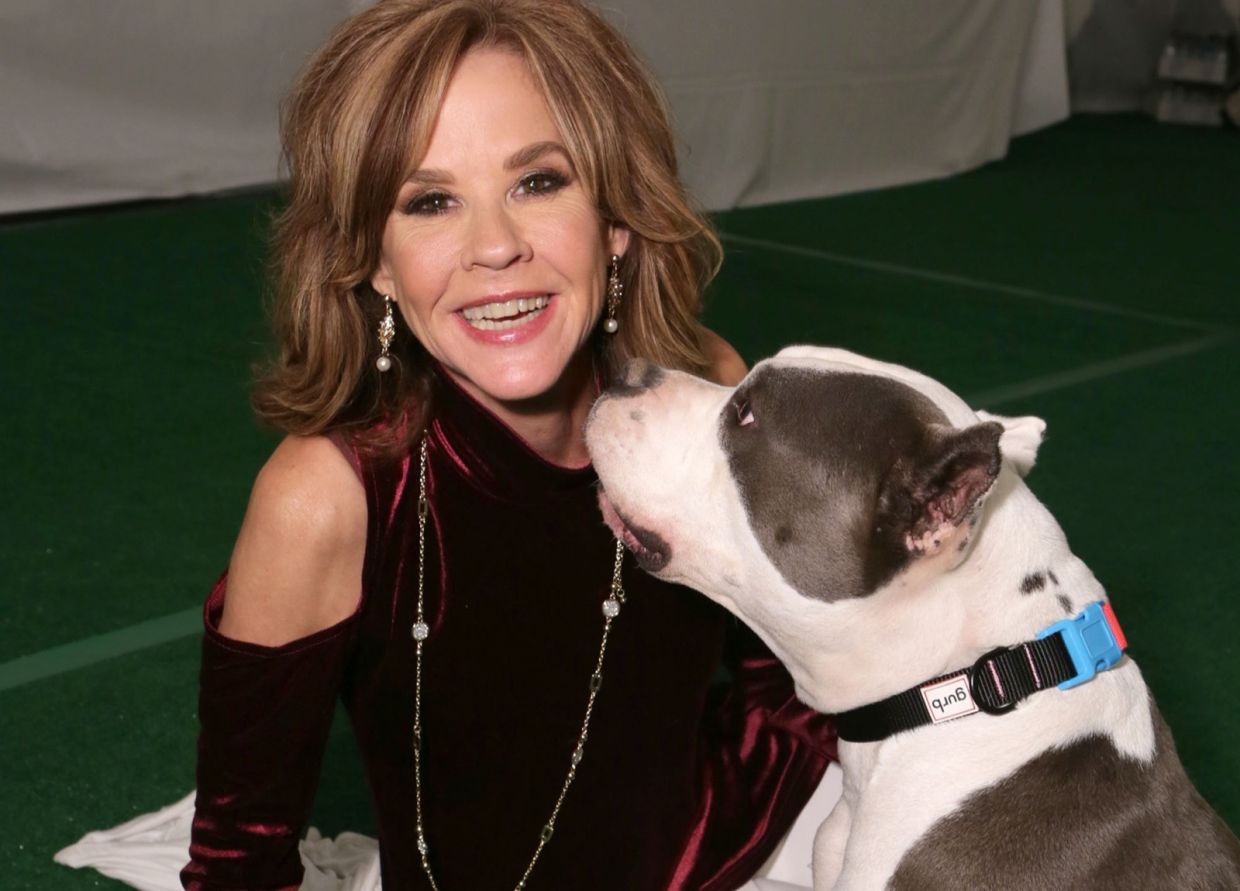
Authorities in Los Angeles County conducted a surprise inspection of a Southern California property owned by 67-year-old actress Linda Blair on Friday afternoon, investigating allegations that the residence harboured over 100 rescue dogs without proper licensing. The joint operation involved both the Los Angeles County Department of Animal Care and Control and the Los Angeles County Department of Regional Planning, who arrived with an investigative warrant to examine conditions and verify compliance with local regulations.
The raid represents an escalation in a regulatory matter that had been building for some time. According to officials, Blair's kennel permit—which would have allowed her to operate a licensed animal facility—expired in 2023, more than a year before the enforcement action. Despite attempts by authorities from both departments to contact Blair and resolve the matter administratively, their efforts went unanswered, leaving officials with little choice but to pursue a formal investigation.
The Los Angeles County Department of Animal Care and Control clarified in an official statement that the warrant had been obtained specifically to grant lawful access to the property and assess whether operations complied with applicable County codes. This procedural approach suggests authorities were seeking to establish facts on the ground rather than pursue criminal charges, focusing instead on documentation and regulatory compliance. Blair did not face accusations of criminal conduct, and she cooperated fully with the officers during their visit despite the unannounced nature of the inspection.
Bloomington's entertainment community has long been aware of Blair's deep commitment to animal welfare causes. In 2003, she established the Linda Blair WorldHeart Foundation, a registered nonprofit organisation dedicated to rescuing, rehabilitating, and rehoming animals that have suffered abuse, neglect, or abandonment. The foundation's mission reflects Blair's personal investment in the rescue and sanctuary sector, which has grown significantly across the United States as public awareness of animal welfare issues has increased.
Blair herself addressed the incident through social media that Friday evening, posting a brief video statement to Instagram in which she downplayed the significance of the visit. She characterised the matter as purely administrative, emphasising that both she and the animals on her property remained in good condition and that the situation amounted to "paperwork that has to be dealt with." Her tone throughout suggested frustration with the bureaucratic process rather than concern about the underlying allegations or conditions at the facility.
In an accompanying written caption, Blair attributed the oversight partly to the overwhelming demands of animal rescue work and the challenges of managing communications across multiple platforms. She referenced the extreme heat conditions on the day of the visit—temperatures had reached 105 degrees Fahrenheit—and suggested that the busy nature of rescue operations may have caused administrative details to be overlooked. Her response framed the incident as a minor inconvenience arising from her dedication to saving animals from harsh conditions in deserts and overcrowded shelters.
The situation raises broader questions about the regulatory framework governing private animal rescue operations in California. Many individuals and small organisations operating rescue facilities operate in a grey zone between informal hobby efforts and fully licensed commercial kennels, sometimes facing difficulties navigating complex permit requirements or maintaining compliance amid rapid operational growth. The distinction between properly licensed facilities and unlicensed operations carries implications not only for regulatory compliance but also for animal welfare standards and liability protections.
For Malaysia and Southeast Asian readers, Blair's case offers perspective on how developed nations handle animal welfare enforcement. While similar rescue operations exist throughout the region, regulatory oversight varies significantly. Some Southeast Asian countries have strengthened animal protection laws in recent years, yet enforcement remains inconsistent. The incident illustrates that even well-intentioned operators in wealthy nations must navigate licensing requirements carefully, suggesting that aspiring animal rescuers in less regulated environments face even greater challenges in establishing legitimate operations.
The raid also highlights tensions within the animal rescue community itself. While Blair's nonprofit work has earned respect and support from many animal welfare advocates, the expired permit and lack of response to official communications created a situation where enforcement action became necessary. This dynamic reflects similar challenges faced by rescue organisations globally, where passion for animal welfare can sometimes outpace administrative diligence, creating compliance gaps that trigger regulatory intervention.
Authorities have not announced whether the inspection resulted in any specific findings regarding the condition, health, or welfare of the animals housed on Blair's property. The nature of any follow-up actions remains unclear, though the cooperative manner of the visit and the absence of criminal charges suggest that formal resolution may proceed relatively smoothly through administrative channels. Going forward, Blair will likely need to either obtain renewed kennel permits or restructure her operation to comply with County regulations, a process that could affect the scope and scale of her rescue activities.

