A significant victory for digital speech rights in Malaysia emerged when the High Court upheld the acquittal of content creator Jufazli Shi Ahmad, rejecting the prosecution's attempt to overturn a lower court's decision to discharge him of charges related to offensive YouTube communications. Judge Datuk Aslam Zainuddin delivered the ruling on October 18, 2024, affirming the Sessions Court's earlier determination that the case against the blogger did not meet the necessary legal threshold for conviction.
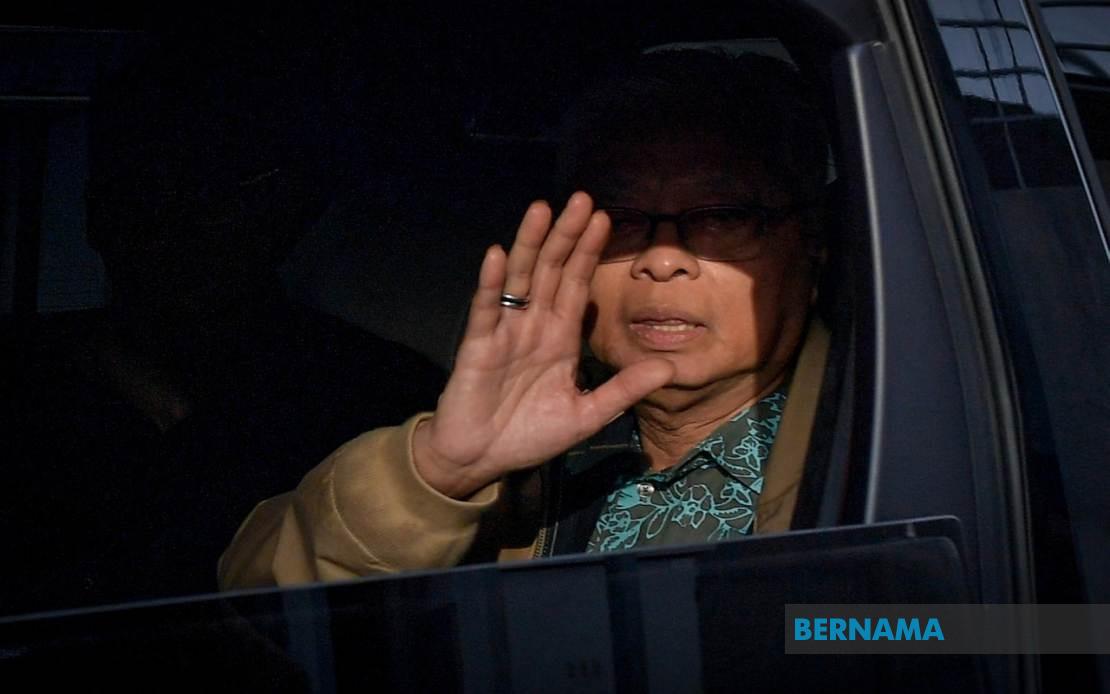
The legal proceedings centred on two distinct charges levelled against Jufazli, stemming from activities that occurred during the volatile political environment of mid-2022. The blogger faced allegations of creating and transmitting an offensive video through his 'King Maker Politik' YouTube channel on June 27, 2022, content designed to annoy and provoke former Prime Minister Datuk Seri Ismail Sabri Yaakob and the United Malays National Organisation. The second charge involved his refusal to disclose the password to his YouTube account when requested by police officers at the Dang Wangi District Police Headquarters on July 5, 2022.
Under Malaysia's Communications and Multimedia Act 1998, the first charge carried substantial potential penalties. A conviction would have exposed Jufazli to a maximum fine of RM50,000, imprisonment for up to one year, or both, with an additional RM1,000 daily fine accruing for each day the alleged offence continued after sentencing. The second charge, relating to his non-compliance with police demands for account access, carried even more stringent consequences—a maximum fine of RM100,000, imprisonment extending to two years, or both upon conviction. These penalties underscored the seriousness with which authorities had pursued the matter.
The High Court's decision to dismiss the prosecution's appeal represents a critical juncture in the ongoing tension between government authorities and digital content creators in Malaysia. Judge Aslam's determination, delivered after careful examination of the Sessions Court's judgment grounds and submissions from both the prosecution and defence, effectively closed one chapter in a legal saga that had extended across more than two years. Deputy Public Prosecutor Mohamad Fadhly Mohd Zamry had argued the prosecution's position before the bench, whilst defence counsel Ramesh N.P. Chandran represented Jufazli's interests.
The case reflects broader concerns about online expression and government accountability in Southeast Asia's digital landscape. Jufazli's 'King Maker Politik' channel, focused on political commentary and analysis, had become a notable platform for critical perspectives on Malaysian governance during a period of considerable political turbulence. The government's pursuit of charges under the Communications and Multimedia Act represented an attempt to establish legal precedent for regulating online political speech, a move that triggered scrutiny from digital rights advocates and press freedom organisations.
The timing of the charges during 2022 deserves particular attention, as Malaysia was navigating significant political instability. Ismail Sabri Yaakob's tenure as Prime Minister occurred amid factional disputes within UMNO and broader governmental uncertainties that characterised the post-Mahathir era. The sensitivity of political leaders and ruling party structures to online criticism during this period had produced numerous prosecutions and investigation attempts targeting digital commentators and social media users. Jufazli's case thus served as a barometer for how courts would address the competing interests of political protection and democratic expression online.
The Sessions Court's initial decision to discharge and acquit Jufazli, subsequently upheld by the High Court, suggests that the judicial system identified significant evidentiary or legal deficiencies in the prosecution's case. The law permits magistrates and judges to make such determinations when the prosecution has failed to establish a prima facie case or when evidence falls short of the required threshold. By upholding this acquittal at the appellate level, the High Court effectively validated the lower court's assessment and rejected the prosecution's reframing of the evidence presented during trial.
For Malaysian digital creators and content platforms, the High Court's decision provides some clarification regarding the boundaries of permissible political commentary online. The judgment indicates that posting critical or provocative political content, even when specifically targeting prominent political figures and political parties, does not automatically constitute a criminal offence under the Communications and Multimedia Act. This distinction carries importance as Malaysia continues calibrating its approach to regulating online speech amid competing demands for public order and individual expression rights.
The second charge relating to password disclosure illustrates an evolving tension between law enforcement requirements and digital privacy. Police had sought direct access to Jufazli's account through password provision, a request that raised questions about investigative protocols and proportionality. The court's ultimate acceptance of Jufazli's position on this matter suggests judicial awareness of potential overreach in demanding such access without appropriate legal safeguards or warrants. This aspect of the ruling may influence future police practices in handling digital investigations, particularly regarding demands for account credentials.
The prosecution's decision to appeal the Sessions Court's acquittal represented a significant investment of legal resources and represented official determination to establish accountability for the YouTube posts. The High Court's dismissal of this appeal effectively ended the immediate prosecutorial avenue, though it did not preclude authorities from pursuing other investigative or legal strategies against Jufazli or similar content creators. The case illustrates the sometimes unpredictable outcomes when political grievances meet criminal law procedures.
Regionally, Malaysia's judicial handling of digital speech cases influences the broader Southeast Asian context, where governments frequently employ communications laws to constrain online criticism. The Jufazli acquittal joins a mixed record of court decisions in the region, some of which have upheld convictions under analogous legislation whilst others have imposed limitations on state prosecutorial powers. This judgment may embolden other Malaysian content creators facing similar charges, whilst also potentially encouraging legal challenges to prosecutions grounded in vague provisions targeting offensive communications.
Looking forward, the High Court's decision establishes important precedent regarding the evidentiary standards required for conviction under communications offence provisions. Future prosecutors pursuing similar cases will need to demonstrate more rigorous evidence of intentional wrongdoing and genuine offensive intent rather than relying on the existence of critical political content alone. For Jufazli, the judgment represents a complete vindication and removes legal jeopardy that had shadowed his digital activities for several years, allowing him to resume content creation without the threat of criminal conviction hanging over his work.

