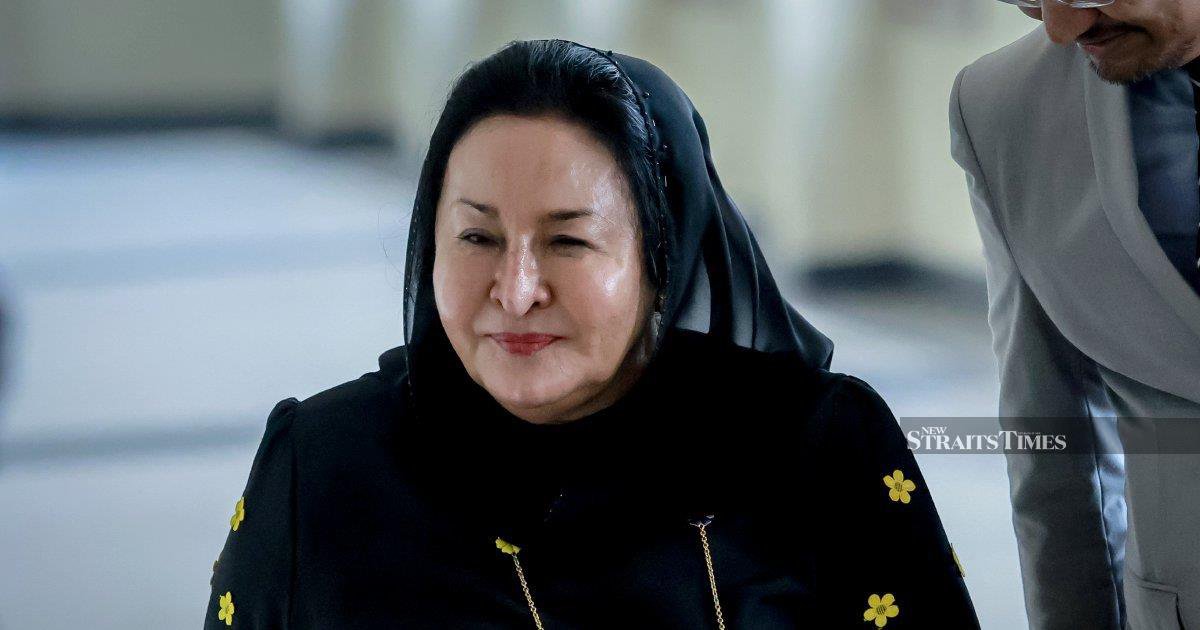
The High Court in Kuala Lumpur has scheduled August 12 as the date for hearing arguments regarding Datin Seri Rosmah Mansor's request to defer a substantial payment of RM67.5 million to Lebanese jewellery company Global Royalty Trading SAL. The case represents an ongoing financial dispute that continues to attract significant public attention given Rosmah's high profile as the former wife of ex-Prime Minister Datuk Seri Najib Razak.
Global Royalty Trading SAL has pursued claims against Rosmah for the payment, triggering legal proceedings that have wound through Malaysia's court system. The scheduled hearing will provide the judiciary with an opportunity to examine the merits of Rosmah's deferment application and determine whether circumstances justify postponing what appears to be an outstanding obligation.
The case highlights the complex financial entanglements that have characterised proceedings involving Rosmah in recent years. As the court system has become increasingly occupied with matters related to the former premier's household, multiple cases involving substantial sums of money have emerged, each raising questions about asset management and financial accountability.
Debt deferment applications in Malaysian civil courts typically hinge on demonstrating genuine financial hardship or circumstances beyond a party's control. The High Court will need to evaluate evidence presented by Rosmah's legal team regarding her current financial position and capacity to meet the full payment obligation immediately. Such determinations require balancing the creditor's legitimate interest in recovering money owed against the debtor's circumstances.
The Lebanese jewellery company's decision to pursue the matter through Malaysian courts underscores the international dimensions of Rosmah's financial disputes. Global Royalty Trading SAL has chosen to engage Malaysia's legal system rather than pursue alternative avenues, suggesting confidence in obtaining a favourable outcome or commitment to exhausting available remedies.
For Malaysian readers following this case, the August 12 hearing represents a pivotal moment in determining how the dispute will proceed. Should the court approve deferment, it would establish new timelines for payment and potentially indicate judicial sympathy towards Rosmah's financial position. Conversely, rejecting the application would place pressure on her to satisfy the obligation within existing or court-imposed deadlines.
The broader context of Rosmah's legal and financial challenges extends beyond this single case. Her involvement in various proceedings—spanning financial disputes, asset freezes, and other civil matters—has created a complex landscape of claims and counterclaims that continue to work their way through Malaysia's legal system. Each resolution contributes incrementally to the overall picture of financial accountability and legal consequence.
From an economic perspective, cases involving major international transactions and substantial sums like RM67.5 million carry implications for Malaysia's reputation as a venue for commercial dispute resolution. The manner in which courts handle such matters influences perceptions among international businesses regarding the reliability and fairness of Malaysia's legal system for protecting their interests.
The scheduled August 12 hearing will likely involve detailed submissions from both parties regarding the deferment request. Rosmah's representatives must present compelling arguments supported by documentary evidence demonstrating why immediate payment remains impractical, while Global Royalty Trading SAL's legal team will presumably argue for enforcement of the existing obligation or terms governing the debt arrangement.
Court observers anticipate that the decision could establish important precedent regarding deferment applications in commercial disputes involving high-profile individuals. The judgment will need to articulate clear reasoning addressing the specific circumstances of Rosmah's case while remaining consistent with established legal principles governing similar applications.
The case also reflects broader questions about enforcement mechanisms within Malaysia's civil justice system, particularly regarding recovery of debts owed by individuals with substantial financial resources. Courts must weigh considerations of fairness, practicality, and the legitimate interests of creditors seeking payment for goods or services provided.
As August 12 approaches, both parties will finalise their legal positions and prepare documentation supporting their respective arguments. The High Court's decision will determine the immediate trajectory of this dispute, though depending on the ruling, either party might pursue further appeals or applications, potentially extending the matter through Malaysia's appellate system.
Ultimately, the scheduled hearing underscores the enduring nature of financial disputes and their capacity to generate sustained legal engagement years after the underlying transactions occurred. For Rosmah, the outcome will materially affect her financial obligations and legal standing, while for Global Royalty Trading SAL, the decision will clarify prospects for recovering the substantial sum claimed.

