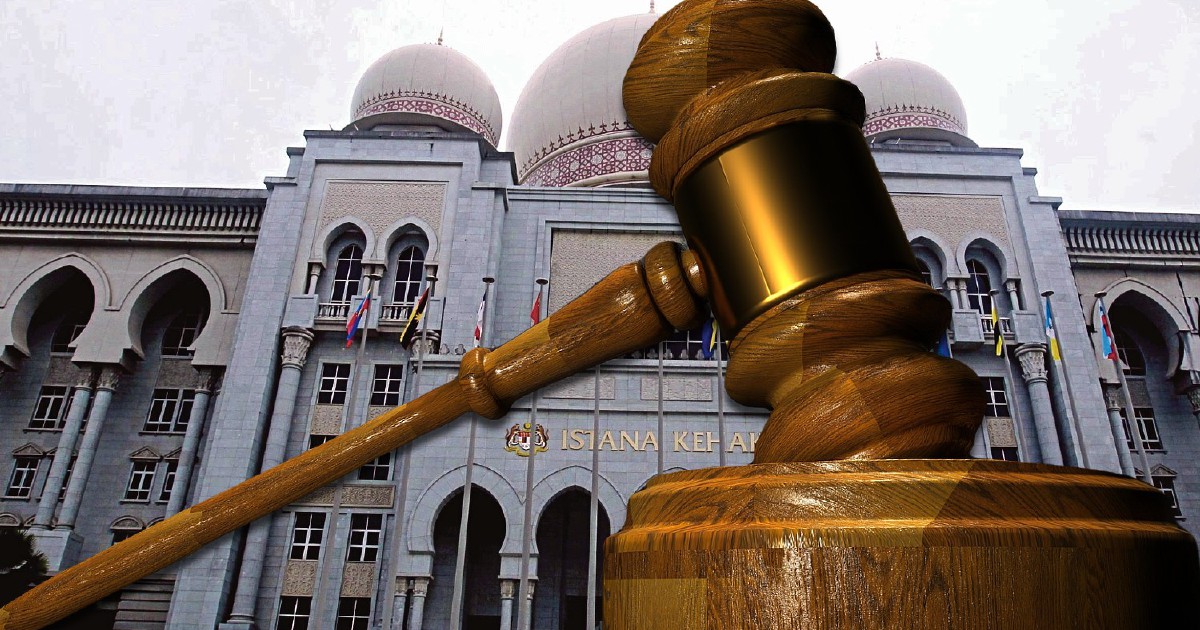
The High Court in Kuala Lumpur has scheduled a crucial hearing for September 21 to determine whether several preliminary legal questions raised in a civil sexual assault case involving Prime Minister Anwar Ibrahim must be settled before the main trial proceeds. The decision on these threshold matters could significantly shape the trajectory of the litigation filed by Muhammed Yusoff Rawther, who was formerly employed as a research aide.
Preliminary issues in civil litigation serve as crucial gatekeeping mechanisms within Malaysia's legal system. These matters, which courts rule on before a full trial commences, can determine whether a case should progress to substantive hearing or be dismissed on technical or jurisdictional grounds. The nature and scope of these specific preliminary issues have not been publicly disclosed, though such motions typically involve challenges to jurisdiction, questions about the plaintiffs' legal standing, procedural defects, or whether claims fall within the court's authority to hear.
The timing of this September 21 hearing is significant given the high-profile nature of the defendant and the broader implications for Malaysia's legal landscape. As Prime Minister, Anwar Ibrahim remains one of the nation's most prominent political figures, and any civil litigation touching his conduct attracts substantial public attention and scrutiny. The case touches on sensitive issues surrounding workplace conduct and sexual misconduct allegations, areas where Malaysian law and society continue to grapple with evolving standards.
Muhammed Yusoff Rawther's decision to pursue a civil action rather than rely solely on criminal channels represents an important avenue within Malaysia's legal system for addressing alleged harm. Civil suits offer different evidentiary standards, remedies, and procedural frameworks compared to criminal proceedings, allowing plaintiffs to seek compensation and establish liability through a lower burden of proof. This parallel track in the justice system provides aggrieved parties with alternative mechanisms for seeking redress when criminal prosecution alone may not suffice.
The preliminary issues phase will test the foundational strength of the plaintiff's case from a procedural standpoint. Courts must ensure that cases brought before them have adequate legal footing, that proper procedures have been followed, and that the disputes genuinely fall within judicial jurisdiction. If the High Court rules unfavourably on preliminary matters, the entire case could be dismissed without ever reaching the substantive merits, potentially providing a swift resolution that eliminates the need for a full trial.
Conversely, should the court permit the preliminary issues to be determined alongside the main trial or rule in favour of allowing the case to proceed, the litigation will advance toward substantive hearings where Rawther's allegations and supporting evidence would be examined in detail. This progression would extend the legal proceedings considerably and maintain public attention on the matter over an extended period.
For Malaysian legal practitioners and observers, this case represents an important precedent in how courts handle sensitive allegations involving high-ranking officials. The principle that no one, regardless of position, stands above the law forms a cornerstone of Malaysia's constitutional framework, yet balancing this principle with the privileges and protections sometimes afforded to sitting ministers creates ongoing tension within the judicial system.
The civil suit framework also raises questions about how Malaysia navigates workplace conduct standards and sexual misconduct allegations in professional environments. Many regional jurisdictions have moved toward strengthening protections for employees and establishing clearer accountability mechanisms for superiors. Malaysia's handling of this case may signal how receptive the courts are to evolving international standards around workplace harassment and assault allegations.
International observers and regional legal communities will likely monitor this case as an indicator of judicial independence and the Malaysian court system's capacity to adjudicate complex cases involving powerful political figures fairly. The High Court's approach to preliminary issues, and later substantive rulings should the case proceed, contributes to perceptions about the integrity and impartiality of Malaysia's justice system within the broader Southeast Asian context.
The September 21 hearing represents a critical juncture that will determine the case's immediate future trajectory. Depending on how the court rules, the litigation could either be significantly shortened through dismissal on preliminary grounds or could extend into months or years of substantive litigation. Either outcome carries implications not only for the parties directly involved but also for broader questions about accountability, workplace conduct, and the role of Malaysia's courts in addressing allegations involving the nation's top leadership.
As the hearing approaches, legal observers anticipate that both sides will have thoroughly briefed the court on their respective positions regarding the preliminary issues. The arguments presented will likely address technical aspects of civil procedure, jurisdictional questions, and potentially substantive legal principles that may determine whether the case can proceed. The High Court's decision on September 21 will therefore serve as a watershed moment in the litigation's development and in the broader dialogue about accountability and justice in Malaysian society.

