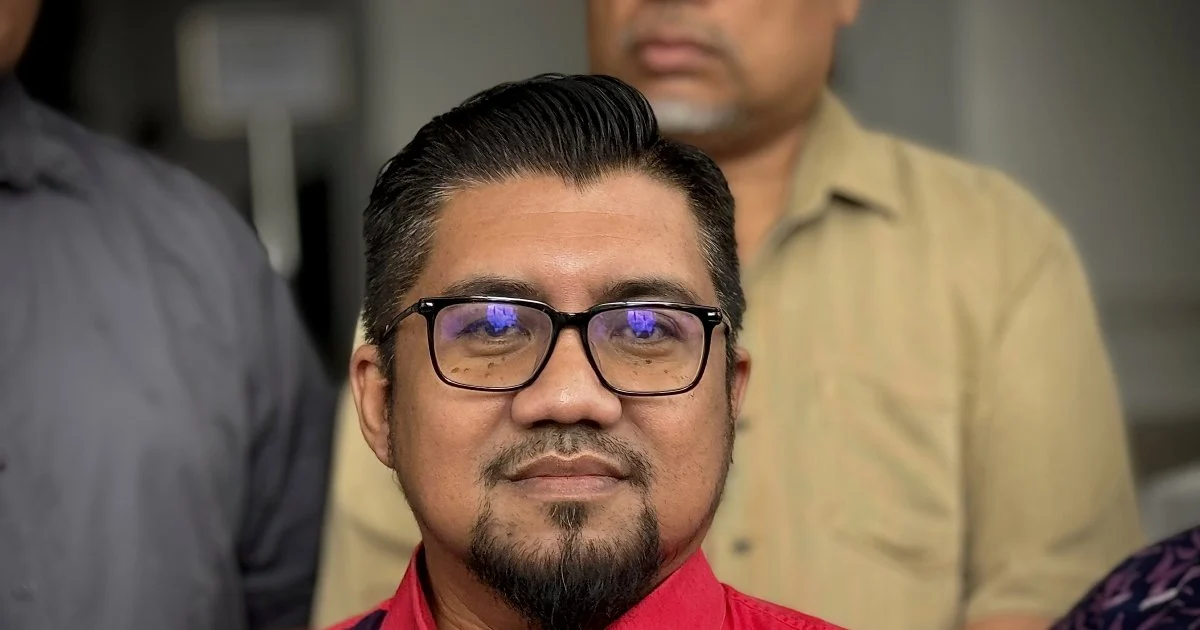
The High Court in Kuala Lumpur has reversed a previous acquittal and directed political activist Badrul Hisham Shaharin, widely known as Che'gu Bard, to present his defence against defamation charges involving statements about His Majesty Sultan Ibrahim, the King of Malaysia. The judicial decision marks a significant turn in a case that has drawn considerable public attention given the prominent profile of the activist within Malaysia's political discourse.
The charges stem from remarks Shaharin allegedly made concerning a purported audience between himself and various political figures approximately two years ago. The nature of these statements and their alleged defamatory character have formed the basis of the legal action, though the specific content of the disputed remarks remains a matter of ongoing legal scrutiny. The reversal of the initial acquittal indicates that the appellate court found sufficient grounds to proceed with the case rather than dismiss it outright.
Such reversals at the appellate level represent an important procedural development in Malaysia's legal system, particularly in cases involving allegations of defamation against constitutional figures. The decision reflects the court's assessment that the evidence presented warrants allowing the case to advance to the defence stage, rather than concluding that the prosecution's case lacks merit entirely. This distinction carries implications for how Malaysian courts interpret standards of proof in sensitive constitutional matters.
Badrul Hisham Shaharin has maintained a visible presence in Malaysian political activism, frequently commenting on matters of governance and public interest. His engagement with political discourse has occasionally placed him at odds with authorities, making this case emblematic of broader tensions between freedom of expression and protections afforded to constitutional institutions. The activist's previous acquittal had been viewed by some civil society observers as a validation of broader speech protections, making the reversal a consequential development.
The requirement that Shaharin now mount a substantive defence means he must present evidence and arguments to counter the defamation allegations rather than relying on procedural grounds for dismissal. This phase of litigation will likely involve detailed examination of the statements in question, their context, and whether they meet legal definitions of defamatory speech. Malaysian courts have historically applied rigorous standards when evaluating claims that statements constitute defamation against the monarchy, given the constitutional significance attached to the institution.
The case occurs within a broader regional context where Southeast Asian nations navigate complex questions about balancing free expression with protection of state institutions. Malaysia's lèse-majesté framework, while less stringent than some neighbouring jurisdictions, still imposes significant legal protections around statements concerning the King and constitutional order. This particular proceeding will likely be closely monitored by civil rights advocates and legal scholars assessing how Malaysian courts interpret these protections in contemporary digital environments where statements can circulate widely and rapidly.
The two-year interval between the alleged statements and the court's current decision reflects the sometimes protracted nature of Malaysian defamation litigation, particularly when constitutional figures are involved. During this period, both the political landscape and broader public discourse around governance, monarchy, and institutional accountability have continued evolving, potentially influencing how observers interpret the case's significance. The delay also underscores how legal proceedings involving sensitive topics can unfold across extended timeframes in Malaysia's court system.
For Malaysian legal practitioners and those tracking constitutional jurisprudence, this decision provides important insight into appellate reasoning regarding defamation standards. The court's willingness to reverse an acquittal and require a full defence presentation suggests that lower court findings regarding insufficiency of evidence were deemed questionable upon review. This aspect of the judgment may carry precedential value for future cases involving similar allegations, establishing benchmarks for how courts assess defamation claims in politically sensitive contexts.
Speech advocates in Malaysia have traditionally paid close attention to cases like this one, viewing them as significant indicators of the practical boundaries within which political commentary can safely operate. Shaharin's requirement to mount a defence will now place him in the position of articulating a detailed response to the defamation allegations, with the outcome potentially influencing how other activists calculate risks associated with public statements concerning political figures and institutions. The stakes involved extend beyond this individual case to questions about the permissible scope of political discourse within Malaysia's constitutional framework.
The upcoming defence phase will require the activist to demonstrate either the truthfulness of his statements or advance other legally recognized defences to the defamation charge. Malaysian law recognizes several such defences, including those grounded in public interest, fair comment, and qualified privilege, though courts have applied these somewhat narrowly in cases involving the monarchy. How Shaharin's legal team navigates these available defences will substantially influence the case's trajectory and ultimate outcome.
The broader implications of this proceeding extend to questions about how Malaysia's legal system manages tensions between protecting constitutional institutions and preserving space for legitimate political criticism and public debate. As Malaysia continues developing its democratic institutions and civic culture, cases involving defamation allegations against state officials and the monarchy serve as important tests of how courts balance competing values and interests. The High Court's decision to proceed with the defence phase suggests the judicial system views the matter as warranting full ventilation before determining liability and potential remedies.