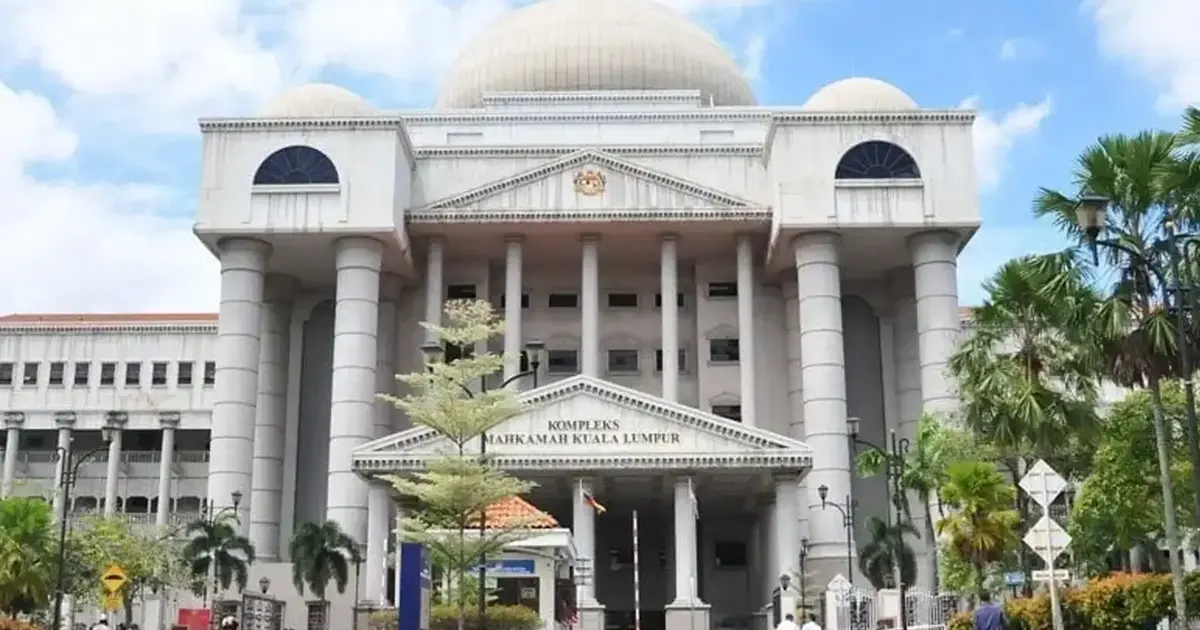
A Malaysian High Court has moved to safeguard investor interests by issuing a domestic Mareva injunction that freezes assets exceeding RM14 million belonging to the East West group, a significant player in the regional oil palm sector. The freezing order, granted by a judge presiding over the case, represents a critical step in protecting claimants' potential recovery should they succeed in their civil litigation against the conglomerate.
The Mareva injunction is a powerful legal tool used in Malaysian courts to prevent defendants from moving or dissipating assets during the course of litigation. By freezing the East West group's assets within Malaysian jurisdiction, the court has effectively ensured that funds remain available to satisfy any judgment that may be awarded to the investors. This form of interim relief is typically granted when courts determine that there is a genuine risk that a defendant might attempt to transfer or hide assets to frustrate a judgment.
The East West group operates across multiple sectors with substantial interests in the oil palm industry, which remains a cornerstone of Malaysia's agricultural economy and a significant source of export revenue. The conglomerate's operations span cultivation, processing, and distribution networks throughout the region, making it a substantial economic entity. Asset freezing orders against such large commercial entities are relatively uncommon and indicate that the High Court found compelling evidence warranting the protective measure.
For Malaysian and regional investors, the court's decision reinforces the judiciary's willingness to employ robust procedural mechanisms to prevent asset dissipation in complex commercial disputes. This precedent carries significance beyond the immediate case, as it demonstrates that the High Court takes seriously its duty to protect claimants from the risk that judgment-proof defendants could render verdicts meaningless through strategic asset transfers. The order reflects judicial recognition that in modern commercial disputes involving substantial sums, preventive measures are essential to ensure access to justice.
The civil suit against the East West group appears to centre on investor claims that remain confidential at this preliminary stage of proceedings. The nature of the underlying dispute—whether contractual breach, misrepresentation, or other commercial disagreements—will likely emerge more clearly as the litigation progresses through the court system. The issuance of the injunction suggests that the claimants have presented a credible case with reasonable prospects of success, a key requirement for obtaining such relief.
Domestic Mareva injunctions have become increasingly important tools in Malaysian commercial litigation, particularly in cases involving substantial sums or complex multi-party disputes. Unlike international freezing orders targeting assets abroad, these domestic measures operate within Malaysia's legal framework and enforce compliance through the court's contempt powers. The East West group's ability to challenge or modify the injunction remains available through appeal or application to vary the terms, should they demonstrate changed circumstances or undue hardship.
The financial scope of the frozen assets—over RM14 million—underscores the magnitude of the underlying dispute and suggests that investor claims are substantial. This figure represents a significant portion of working capital for most companies and could impact the East West group's operational capacity if the injunction remains in place throughout the litigation period. The conglomerate may face operational constraints, difficulty securing financing, or reduced ability to make significant commercial commitments while the assets remain frozen.
For the broader oil palm industry and Malaysia's commercial sector, the case highlights the increased sophistication of investor protections within the Malaysian legal system. As companies and investors become more aware of available remedies, commercial disputes are increasingly accompanied by applications for interim relief designed to preserve the status quo and protect potential recovery. This evolution reflects both the complexity of modern business transactions and the judiciary's recognition that traditional remedies may prove inadequate without preventive measures.
The timing and granting of the Mareva injunction also suggest that the court viewed the risk of asset dissipation as genuine and imminent. Malaysian courts typically require applicants to demonstrate a strong prima facie case, a real risk that assets will be removed from jurisdiction, and that the balance of convenience favours granting the injunction. The judge's decision to freeze assets exceeding RM14 million indicates satisfaction with all these criteria.
As the civil litigation between the investors and the East West group progresses, the frozen assets will remain under court supervision unless the parties reach a settlement or the High Court modifies the injunction. This constraint effectively incentivises settlement discussions, as both parties face extended uncertainty regarding asset availability and operational constraints. For investors, the order provides crucial assurance that any judgment obtained will not prove hollow.
The case also reflects broader trends in Asian commercial disputes, where sophisticated parties increasingly seek interim relief to protect their position during litigation. Malaysian courts have increasingly aligned their practices with international standards on asset freezing, recognising that modern commerce demands flexible and responsive judicial remedies. The East West group matter exemplifies how domestic courts address the intersection of commercial necessity and creditor protection.

