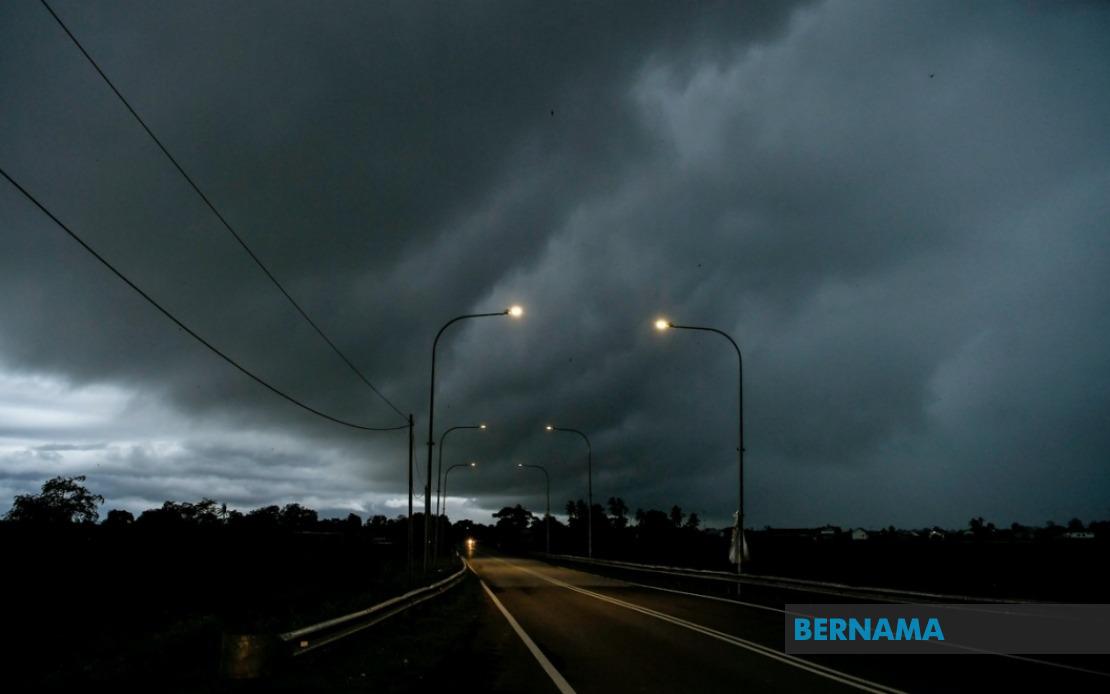
Malaysia's weather authorities have cautioned residents across multiple regions to prepare for deteriorating conditions, with thunderstorms, torrential rain and gusty winds forecast to sweep through Peninsular Malaysia, Sarawak and the Federal Territory of Labuan throughout the morning of July 8. The Malaysian Meteorological Department issued the alert to ensure public awareness and promote precautionary measures during the potentially hazardous weather window.
In the northern region, Kedah faces particular vulnerability, with four districts in the state's geographical remit identified as vulnerable. Kuala Muda, Baling, Kulim and Bandar Baharu are all expected to experience the full brunt of the meteorological system, while the entire state of Penang comes under the warning zone. This coverage suggests the weather pattern affects the entire northwestern coastal corridor of the peninsula, an area densely populated and economically significant due to its manufacturing and port infrastructure.
Perak's eastern lowlands and west coast are similarly at risk, with Kerian, Larut, Matang and Selama identified alongside Manjung and Bagan Datuk. These districts, which encompass both inland areas and coastal zones, face the compounding hazard of heavy precipitation combined with strengthening winds. The inclusion of Rompin in Pahang extends the warning further down the eastern seaboard, indicating that this weather system maintains considerable geographical scope.
Central Peninsular Malaysia is not spared from the meteorological threat. Negeri Sembilan's districts of Jempol and Tampin lie in the forecast area, whilst the entire state of Melaka falls under the warning umbrella. This coverage of consecutive southern states underscores the broadness of the system affecting the peninsula. In Johor, six districts receive specific mention: Tangkak, Segamat, Muar, Kulai, Kota Tinggi and Johor Bahru, collectively representing diverse geographical zones from inland agricultural regions to major urban and industrial centres.
The reach of this weather system extends beyond Peninsular Malaysia to the East Malaysian territories of Sarawak and Labuan. In Sarawak, the Bintulu Division faces alerts affecting Tatau and Bintulu itself, whilst the Miri Division—encompassing the state's northern frontier—sees Subis, Miri and Marudi included within the warning parameters. Labuan, the federal territory positioned strategically in the northern Sulu region, is similarly exposed to the anticipated severe weather.
The simultaneous nature of this meteorological event—affecting dozens of districts from the Thai border to Labuan in one cohesive system—suggests a significant atmospheric disturbance rather than isolated convective activity. The combination of thunderstorms, heavy precipitation and strong winds indicates the potential for flooding, particularly in low-lying areas and river basins. Communities in flood-prone zones should remain vigilant, whilst those in upland regions may face temporary waterlogging and disrupted connectivity.
For transport and commerce, such conditions invariably present operational challenges. Heavy rain reduces visibility and road friction, potentially affecting highway traffic flow, particularly on major arterial routes connecting the affected districts. Maritime activities in Peninsular Malaysia's coastal and near-shore zones, and offshore operations in Sarawak and Labuan, may experience disruptions. Businesses reliant on road and sea logistics should factor potential delays into scheduling.
The temporal constraint—with the warning operational only until midday—suggests the meteorological department expects the system to weaken or move beyond the forecast area by afternoon hours. This relatively short window, whilst still presenting hazardous conditions, means communities can anticipate return to normalcy within a defined timeframe. However, even brief periods of intense rainfall can overwhelm drainage infrastructure in urban areas and cause flash flooding in topographically challenging terrain.
The Malaysian Meteorological Department's standard advisory to remain alert and consult official channels reflects the institution's commitment to public safety dissemination. In the contemporary information landscape, residents across the affected regions should proactively access MetMalaysia's official website, mobile applications and social media channels for real-time updates. Such monitoring proves invaluable for operational decision-making, whether for commuters, logistics coordinators or emergency management personnel.
The issuance of this geographically extensive warning demonstrates the meteorological department's operational preparedness and its capacity to track and forecast significant atmospheric systems affecting the nation. For Malaysian citizens and businesses, such alerts represent essential tools for hazard mitigation and continuity planning. The coming hours will determine whether this forecast materialises as predicted, though the breadth and specificity of the warning suggest substantial meteorological confidence in the system's development and impact across the identified regions.

