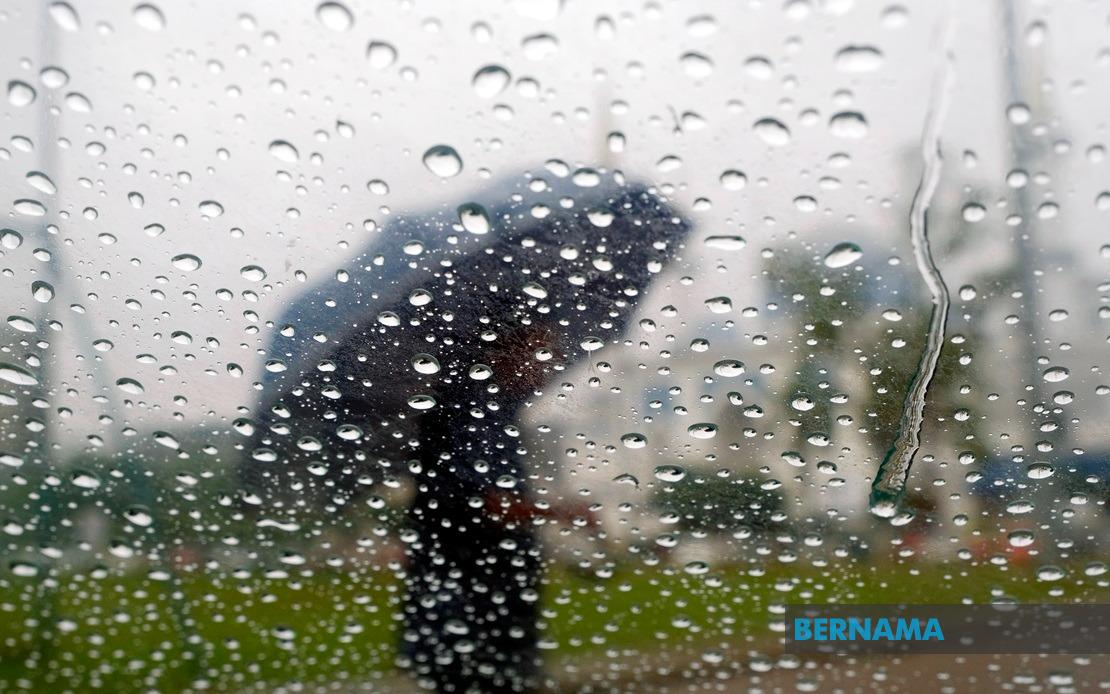
Malaysia's Meteorological Department has issued an alert for severe weather conditions spanning multiple states across the peninsula and Borneo, with thunderstorms, intense rainfall, and gusty winds forecast to persist until 7 pm today. The warning encompasses eight distinct geographic regions spread across three major Malaysian states and federal territories on the island of Borneo, indicating a broad weather system affecting vast swathes of the country's eastern regions.
In Terengganu, the departments advisory specifically targets the districts of Besut and Setiu, communities that lie in the state's northeastern corner facing the South China Sea. The warning extends southward along the peninsular east coast into Pahang, where the districts of Pekan and Rompin—both situated in the state's lower eastern region—are expected to experience the full force of the atmospheric disturbance. These areas, which often experience tropical weather patterns, face potential disruption from the combination of heavy precipitation and strong wind gusts.
Johor, Malaysia's southernmost peninsular state, sees three of its constituent districts placed under alert: Kulai, Kota Tinggi, and Johor Bahru. This trio of districts represents a significant portion of Johor's eastern and central zones, suggesting the weather system will have substantial coverage across the state's populated areas. Johor Bahru, as the state capital and a major urban center, warrants particular attention given the concentration of residents and economic activity that could be disrupted by severe weather conditions.
Across the South China Sea, Sarawak faces comparable meteorological hazards across a dispersed array of localities. The department has flagged concerns for Sibu's surrounding region of Selangau, the district of Mukah encompassing both Dalat and Mukah proper, and the industrial area of Bintulu. Furthermore, Miri division in the far north sees three zones—Beluru, Telang Usan, and Marudi—designated as vulnerable, while the federal territory of Limbang also falls within the warning zone. This extensive coverage of Sarawak's territory underscores the geographic breadth of the weather phenomenon affecting the state.
Sabah, similarly positioned on Borneo's northern and eastern shores, experiences warnings across three major geographic divisions. The Interior Division's Beaufort district, located in the southwest, joins the alert alongside multiple localities within the densely populated West Coast region: Putatan, Penampang, Kota Kinabalu, and Tuaran. Additionally, the eastern division of Sandakan faces projected severe conditions. These warnings collectively span Sabah's most developed and populated zones, where disruption could affect critical infrastructure and transportation networks.
The concentration of warnings across peninsular Malaysia's east coast reflects a common meteorological pattern during the region's inter-monsoon periods, when atmospheric instability frequently generates severe convective systems. The extension of similar warnings to Sarawak and Sabah, however, indicates a more widespread weather phenomenon than typical localized thunderstorm activity. Such coordinated warnings across multiple states suggest a regional pressure system or frontal boundary that has prompted MetMalaysia to issue precautionary guidance across broad areas simultaneously.
For residents in affected districts, the combination of factors presents compounded risks that warrant immediate preparation. Heavy rainfall poses flood threats, particularly in low-lying areas, while strong winds can damage structures, topple trees, and disrupt power supplies. Thunderstorms present additional hazards including lightning risk and reduced visibility on roadways, potentially creating dangerous driving conditions during the afternoon and early evening hours when many people travel.
The temporal specificity of the warning—limiting the forecast to conditions until 7 pm—suggests MetMalaysia's meteorologists anticipate the severe weather system will weaken or move away as evening transitions to night. This relatively narrow window necessitates swift action from relevant authorities and residents to implement precautions before the weather reaches its peak intensity. Local authorities in the named districts would typically activate emergency response protocols and advise the public to remain indoors or seek shelter during the most severe phase of the disturbance.
The prevalence of such warnings reflects Malaysia's geographic exposure to frequent tropical weather phenomena. Located near the equator and surrounded by warm maritime air masses, the country regularly experiences thunderstorm development, particularly during transitional seasons when different air masses compete for dominance. East coast states face enhanced vulnerability due to their exposure to sea breezes and moisture influx from nearby water bodies, while Borneo's interior and coastal zones encounter similar mechanisms driving convective development.
For travelers and commuters, particularly those relying on road transportation through the affected regions during afternoon and evening hours, awareness of these conditions proves essential. Public transport operators may face delays or disruptions, while maritime activities could be curtailed in response to warnings of strong winds and rough seas. Those planning outdoor activities throughout the evening should monitor weather updates and consider rescheduling if conditions deteriorate as forecast.

