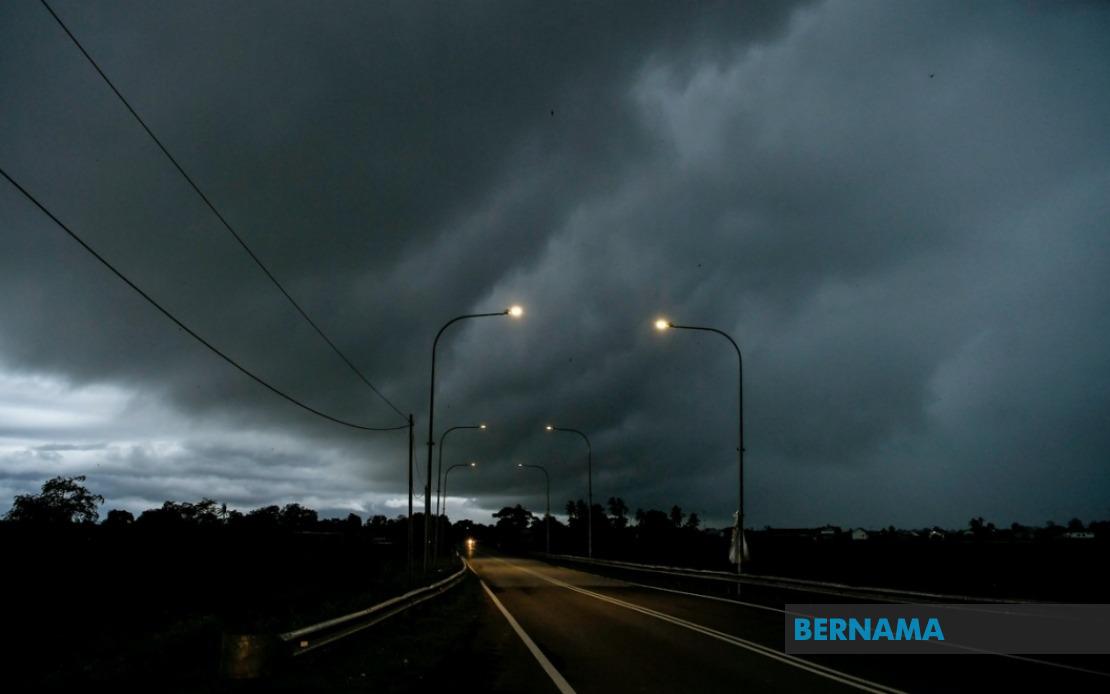
The Malaysian Meteorological Department issued a significant weather alert on July 11, flagging dangerous atmospheric conditions across a broad swath of the peninsula's western and southern regions. Thunderstorms accompanied by heavy rainfall and strong gusty winds are expected to persist until noon in multiple districts, prompting authorities to advise the public to exercise caution and remain informed through official channels.
The northern state of Kedah faces the most extensive threatened area, with four districts bracing for the adverse weather system. Kota Setar, the state capital and a major population hub, sits among the regions under alert, along with Pokok Sena, Yan, and Pendang. These areas, which encompass both urban and rural communities, have been advised to prepare for potential disruptions to daily activities.
Perak's industrial and coastal zones are similarly in the warning zone. The districts of Manjung, Bagan Datuk, and Hilir Perak—which include tin-mining heritage areas and significant manufacturing centres—have been identified as vulnerable. These regions' proximity to the sea and elevation patterns make them particularly susceptible to severe weather system intensification.
In Negeri Sembilan, two central districts—Rembau and Tampin—fall within the affected corridor. The state's location on the main spine of the peninsula means weather systems moving southward often impact these areas with particular force. The agricultural communities in these districts may face temporary setbacks to farming operations and rural transport routes.
Melaka, despite its smaller geographic footprint, has been placed entirely under the weather warning. As a low-lying coastal state with significant urban development, the jurisdiction faces potential flash-flooding risks and disruptions to the Strait of Melaka's shipping lanes and commercial activities. The state's tourism sector may also experience temporary complications.
Johor, Malaysia's largest state by population and economic output, faces perhaps the most complex challenge, with six districts spanning both the interior and coastline identified in the alert. Tangkak, Muar, Batu Pahat, Pontian, Kulai, and Johor Bahru represent a geographic gradient from inland agricultural areas to the bustling southern metropolitan zone. Johor Bahru, as the capital and a regional commercial powerhouse, warrants particular attention regarding infrastructure readiness and public safety coordination.
The meteorological warning encompasses both the immediate safety concerns and broader implications for economic activity across affected regions. Heavy rainfall, when concentrated over short timeframes, poses flash-flood risks to low-lying areas, road networks, and drainage systems. Strong winds can damage structures, bring down tree branches, and compromise maritime operations. The timing through midday suggests conditions may persist during peak business and traffic hours, potentially complicating commutes and commercial transactions.
MetMalaysia's guidance reflects established protocols for severe weather alerts in Malaysia. Residents are instructed to monitor the department's official communication channels—including its website, mobile applications, and social media platforms—for real-time updates and any extension or modification of the warning. This emphasis on staying informed acknowledges the meteorological service's capacity for issuing revised advisories as weather patterns evolve.
For residents and businesses across these five states, immediate preparedness measures typically include securing loose outdoor items, ensuring drainage systems are unobstructed, avoiding unnecessary outdoor exposure during peak storm periods, and maintaining awareness of local flood-prone locations. Drivers are implicitly cautioned to exercise heightened care given reduced visibility and potentially slippery road conditions.
The geographic spread of this warning—encompassing the northern Peninsular Malaysia, its central spine, and the southern tier—underscores the scale of the atmospheric system moving through the region. Thunderstorm warnings in Malaysia are typically issued when meteorological data indicates imminent or ongoing severe convective activity, making this alert operationally significant for affected populations.

