Japan's Kumamoto prefecture is confronting a grim reality in the aftermath of last week's magnitude 7.1 earthquake: the natural disaster's immediate destruction is compounded by cascading crises that threaten vulnerable populations in ways seismologists cannot predict. An elderly woman found dead in a stationary car—likely succumbing to heat stroke while seeking refuge—has become the latest casualty claimed not by seismic shaking but by the prefecture's sweltering climate. This tragedy underscores a pattern that disaster management experts have long flagged: the days and weeks following major earthquakes often prove as perilous as the initial event itself, particularly when rescue efforts, infrastructure damage, and extreme weather converge. The woman's death, confirmed by Kumamoto officials, has elevated the official death toll from the earthquake to 36 fatalities, though the full human cost continues to mount as rescue operations persist across the devastated region.
The earthquake struck Kumamoto Prefecture on Kyushu, Japan's southernmost main island, on Tuesday with sufficient force to reshape the disaster response landscape entirely. What began as a geological catastrophe has now evolved into a multi-layered humanitarian crisis, with rescue workers, local officials, and the national government grappling with simultaneous emergencies. The tragedy of the woman dying in an un-aired vehicle was precisely the scenario that alarmed officials and public health experts days before it occurred. As the Japan Meteorological Agency recorded temperatures reaching 36.6°C in Kumamoto city on Saturday—levels classified as "extreme heat"—and forecasted even higher readings for subsequent days, authorities recognised that evacuees sheltering in vehicles without functioning air-conditioning faced genuine mortal danger. This predictable risk, however, proved impossible to eliminate entirely, as the prefecture's evacuation infrastructure buckled under demand.
The woman had sought refuge in a car without fuel, a detail that encapsulates the cascading failures in disaster response logistics. When vehicles lack petrol, drivers cannot operate their air-conditioning systems, transforming what might otherwise serve as a temporary shelter into a potentially lethal environment during heatwaves. Governor Takashi Kimura, visibly distressed by the fatality, subsequently urged all evacuees sheltering in vehicles to maintain fuel supplies specifically to power their air-conditioning systems, or to relocate to proper evacuation centres equipped with cooling facilities. His plea represents an attempt to prevent recurrence of this tragedy, yet it also reveals the desperation of the situation: authorities are essentially urging residents to exhaust limited fuel supplies—itself a scarce commodity in the earthquake-affected region—to stay alive. The prefecture's fuel shortages stem from infrastructure damage incurred during the quake, creating compound resource scarcities that ordinary residents cannot easily overcome.
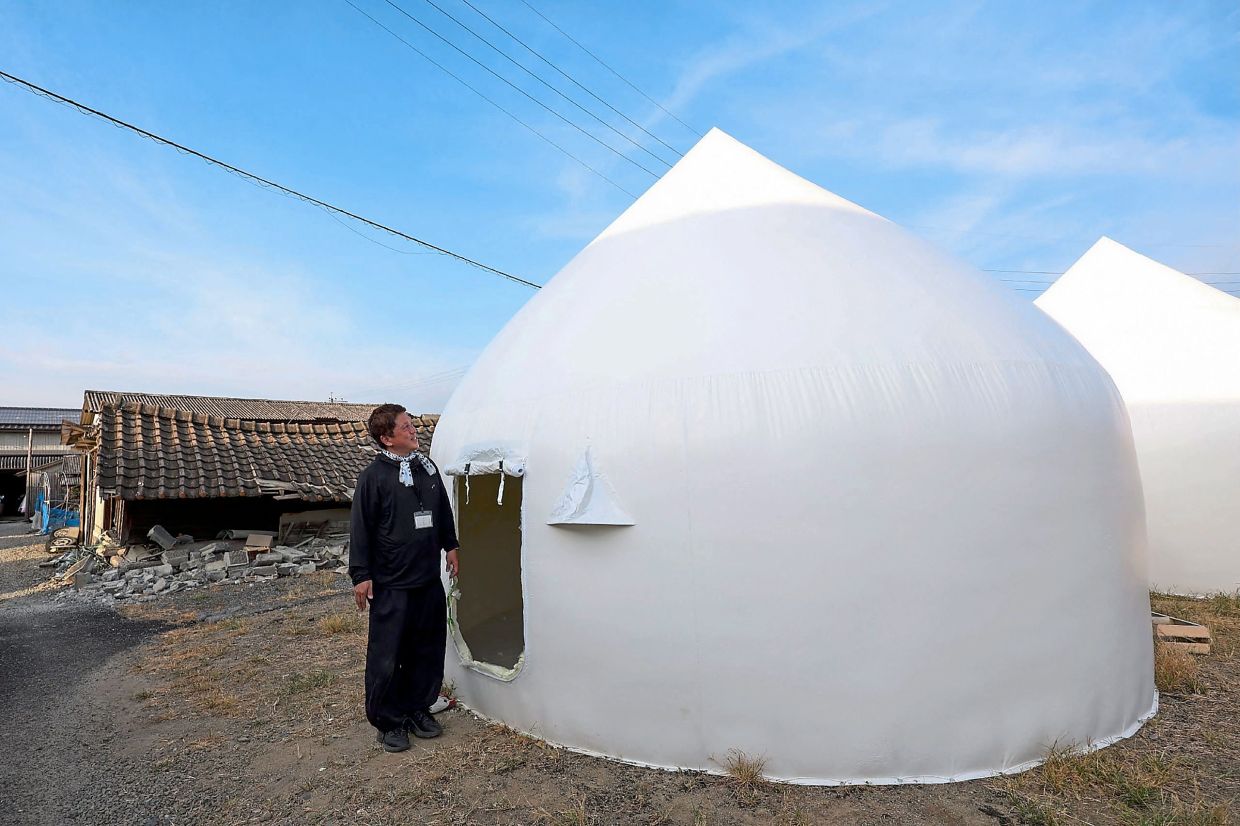
Beyond heat-related threats, Kumamoto prefecture confronts an acute water crisis affecting nearly 47,000 homes still without fresh supplies. This infrastructure failure amplifies the difficulty of maintaining basic hygiene and sanitation in crowded emergency shelters, where more than 9,000 people currently remain. The shelters themselves—hastily converted community centres, school gymnasiums, and classroom spaces—largely lack air-conditioning, creating conditions that epidemiologists warn pose serious risks during extreme heat events. Many evacuees, seeking privacy and respite from the stress of shared spaces with thousands of strangers, have chosen instead to camp in vehicles parked at municipal parking lots, town halls, and public parks. This decision, while understandable psychologically, transforms individuals into victims of the environment they sought to escape. The tension between psychological resilience and physiological survival encapsulates the impossible choices facing disaster survivors.
Experts have previously documented how Japan's crowded evacuation shelter model—born from necessity during recurring natural disasters—systematically fails vulnerable populations. The combination of inadequate sanitation, lost privacy, environmental stress, and now extreme heat creates conditions that infectious disease specialists and gerontologists identify as breeding grounds for secondary health crises. Beyond the immediate risk of heat stroke, crowded shelters facilitate the rapid spread of respiratory infections, gastrointestinal illness, and heat exhaustion among elderly and immunocompromised individuals. That Prime Minister Sanae Takaichi committed governmental resources to improving conditions—pledging delivery of portable toilets, air-conditioning units, privacy partitions, and essential food and water supplies—signals recognition at the national level that evacuation centres remain dangerously inadequate. Yet such remedial actions, while necessary, arrive only after the disaster has already claimed lives.
The earthquake's destruction extends far beyond the human toll. On Saturday, authorities concluded a massive multi-day search-and-rescue operation at the Aeon Mall in the town of Kashima after recovering five survivors and seven bodies. The shopping centre was among the prefecture's most heavily damaged structures, suffering catastrophic collapse after a gas explosion that occurred in the hours following the initial quake. Approximately 3,000 shoppers were evacuated to the parking lot after the earthquake struck, but some employees remained inside the building when the explosion occurred, triggering a chain reaction of structural failures. The mall's second floor collapsed entirely, transforming a familiar commercial space into a dangerous search site requiring coordinated deployment of thousands of military personnel, police officers, rescue specialists, and detection dogs. The company operating the mall attributed the explosion to a suspected gas leak—a secondary hazard that compounds seismic dangers.
The prefecture's broader damage assessment reveals a region fundamentally altered by the natural disaster. Official counts indicate that over 180 homes were completely destroyed and more than 3,800 buildings sustained damage ranging from moderate to severe. These figures represent not merely property loss but the physical substrate of community life now rendered uninhabitable or unsafe. Beyond the 36 confirmed deaths, 105 people suffered injuries, with two additional fatalities under investigation to determine earthquake causality. The total number of missing persons remains unknown, reflecting the ongoing chaos across the prefecture. Search operations continue with thousands of Self Defence Force troops, police personnel, rescue workers, and specialized canine units deployed across the region.
For Malaysia and Southeast Asia, the Kumamoto disaster offers instructive lessons about disaster preparedness and the critical vulnerabilities that emerge days after major earthquakes. Southeast Asian nations, many situated in seismically active zones, typically emphasise immediate rescue response but often neglect the secondary health crises—heat exposure, water contamination, infectious disease—that characterise the post-acute phase of disaster recovery. The Kumamoto case demonstrates that even a wealthy, technologically advanced nation like Japan struggles to prevent heat-related casualties when earthquake damage simultaneously disrupts water and fuel supplies. Regional governments should recognise that evacuation centre design, backup fuel supplies for cooling systems, and contingency water distribution represent critical survival infrastructure rather than optional amenities. The tragedy of an elderly woman dying in an immobilised car serves as a haunting reminder that disaster management extends far beyond the moment seismic shaking ceases.

